
Newsletter Subscribe
Enter your email address below and subscribe to our newsletter

All voices matter
All voices matter

Walk-back tuning has you shoot from progressively longer distances to spot and correct horizontal arrow drift caused by sight or rest misalignment.
 ByTravis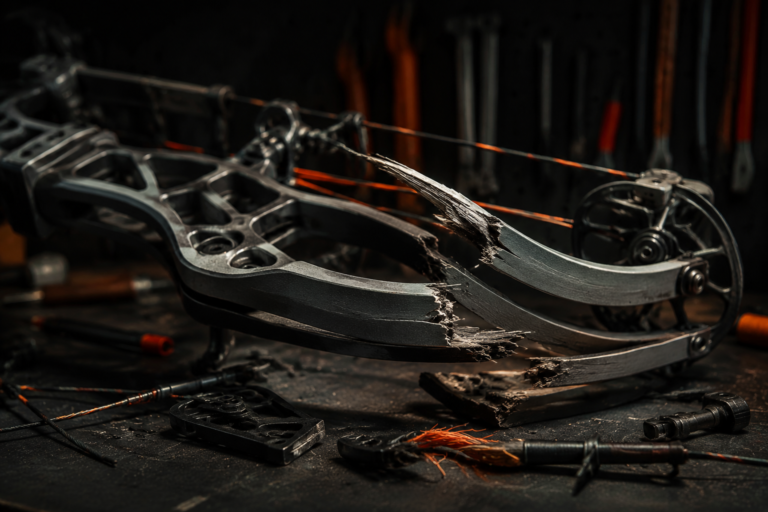
Dry firing releases a bowstring without an arrow, causing catastrophic damage to limbs, strings, and cams. Learn why it destroys bows and how to prevent it.
ByTravis
Most adult beginners should start with 15-25 lb draw weight on a recurve or 20-30 lb on a compound bow, so they can build smooth form before adding power.
ByTravis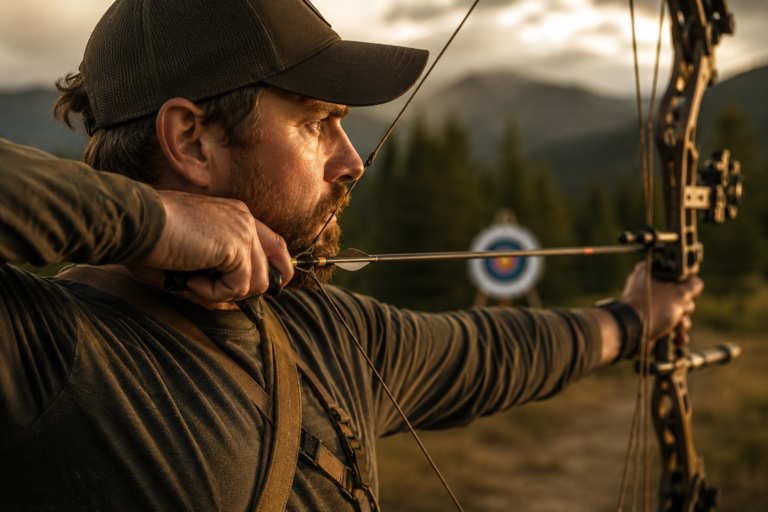
An anchor point is a consistent spot where your drawing hand or string touches your face at full draw, ensuring repeatable shot placement - here's how to find yours.
ByTravis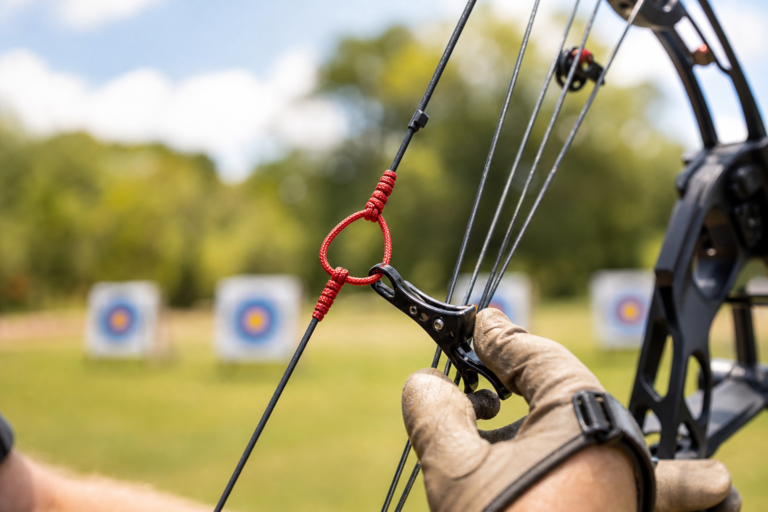
A D-loop is a small braided-cord loop tied to your bowstring that gives your release aid a consistent attachment point - here's how to tie one properly.
ByTravis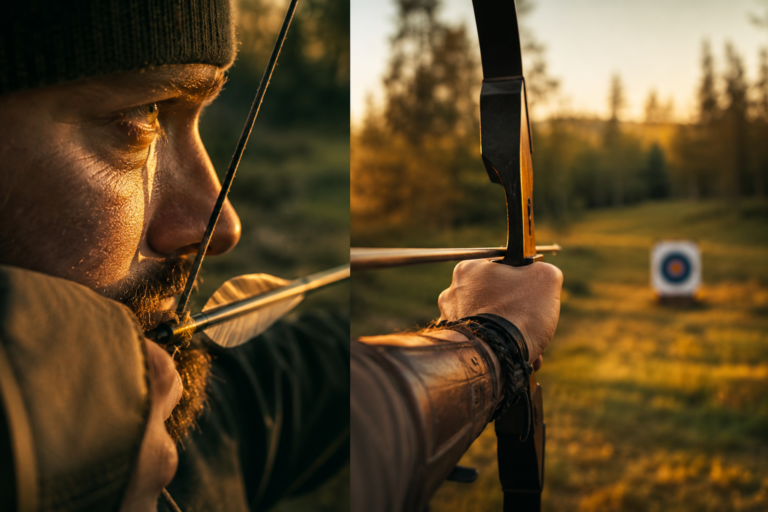
Gap shooting uses the arrow point as a deliberate reference to judge distance, while instinctive aiming relies on subconscious hand-eye coordination - here's how the two traditional methods compare.
ByTravis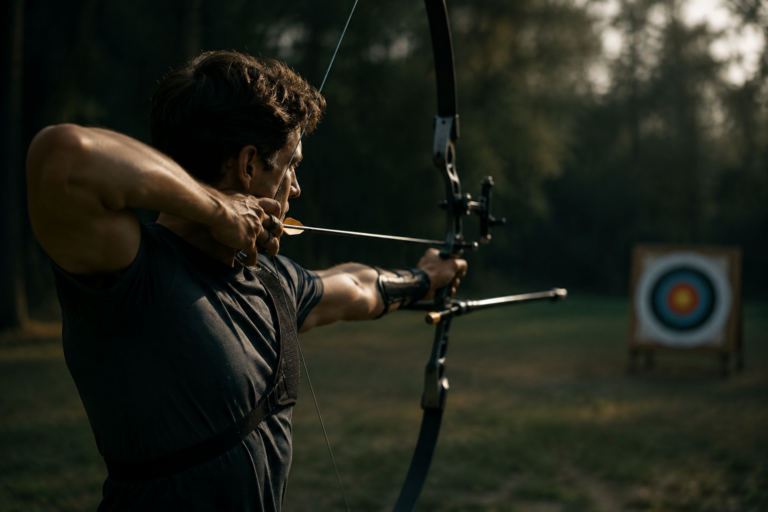
Target panic is an involuntary response that stops archers from executing a controlled shot - freezing off target, punching the release, or being unable to aim at center.
ByTravis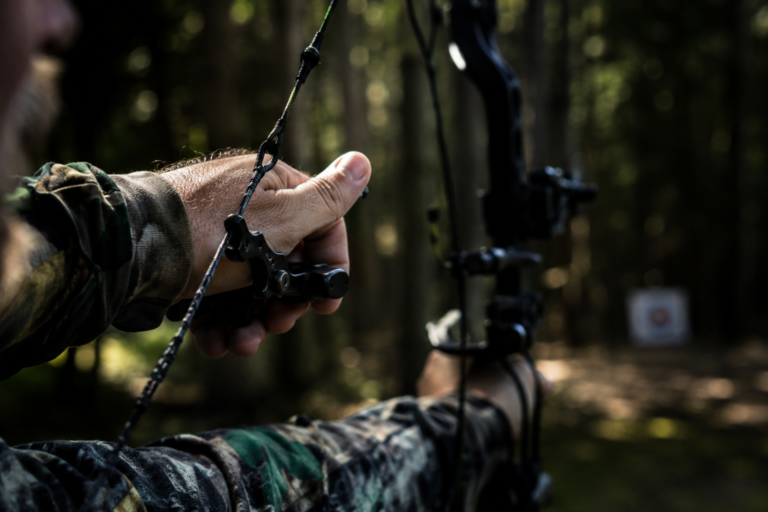
Trigger punching is jerking the release instead of applying steady pressure - fix it with dry-fire drills, the ball-and-dummy drill, and training for a surprise break.
ByTravis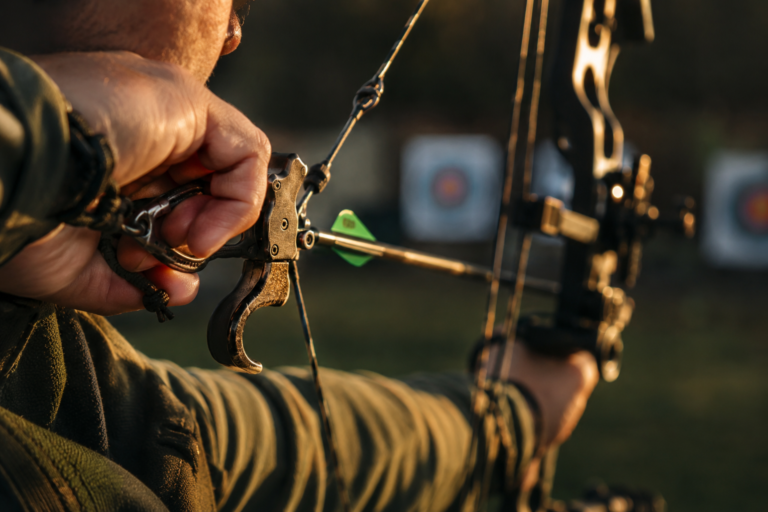
A surprise release means not consciously timing the exact moment the string lets go - it happens naturally from back tension, eliminating the anticipation that causes target panic.
ByTravis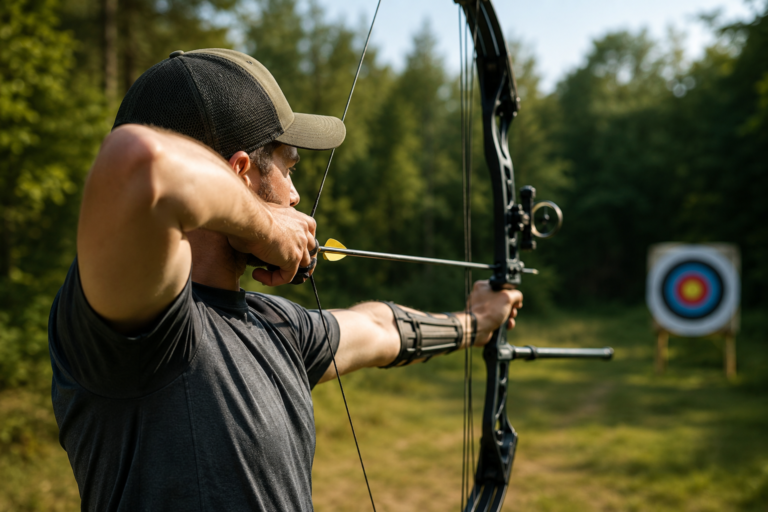
Rotating your elbow pit upward rather than facing it horizontally aligns your forearm and upper arm bones behind the bow, creating a stable skeletal structure.
ByTravis