
Newsletter Subscribe
Enter your email address below and subscribe to our newsletter

All voices matter
All voices matter
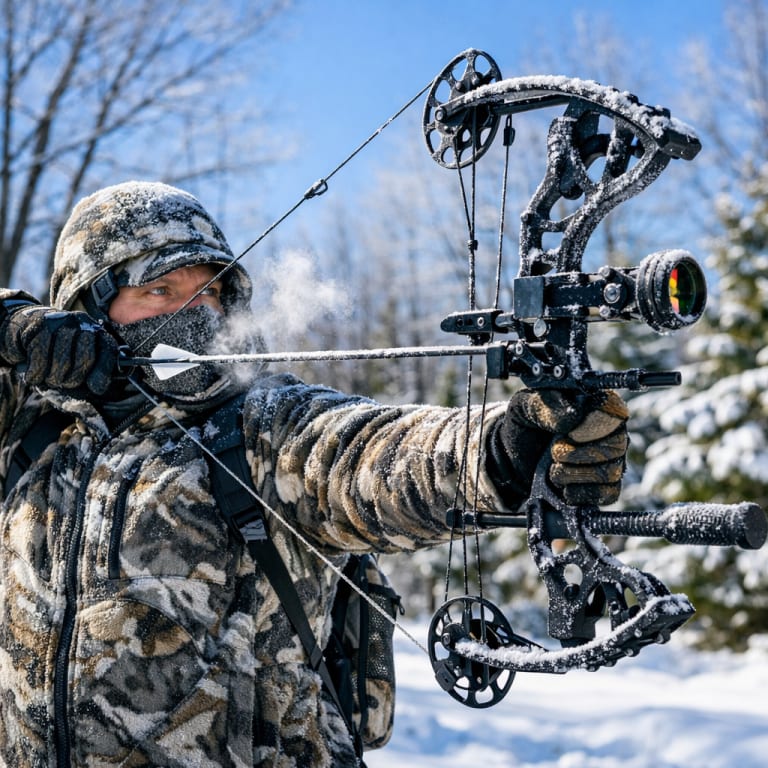
Cold weather changes nearly every part of your shot - reduced string elasticity, stiffer limbs, and altered arrow flight typically cost 2-5 fps and shift point of impact.
 ByTravis

A DIY bow press can save money, but it's only safe when built from welded steel tubing rated for at least 200 pounds of force and used within its design limits.
ByTravis
Yes - you should unstring a recurve bow after shooting if you won't use it again soon. Leaving it strung continuously puts constant stress on the limbs, risking deformation and shortened bow life.
ByTravis
Master your finishes—are your paper tuning tools secretly holding you back? Find out how the right kits redefine precision.
ByTravis
Porpoising is when arrows fly in an up-and-down wave instead of straight - almost always caused by nocking point height, rest position, or a spine mismatch.
ByTravis
Fishtailing is when arrows wobble side-to-side in flight, usually caused by incorrect arrow spine, a poorly set rest, or nocking point issues.
ByTravis
A bow shooting consistently left or right usually comes down to shooter form, equipment problems, or tuning errors - here's how to diagnose which one is causing yours.
ByTravis
Are your shots inconsistent? Learn how advanced stabilizers can drastically boost your archery precision—if you dare to challenge your limits.
ByTravis
Walk-back tuning has you shoot from progressively longer distances to spot and correct horizontal arrow drift caused by sight or rest misalignment.
ByTravis
Learn how to paper tune a bow with step-by-step instructions, troubleshooting tips, and expert advice for perfect arrow flight and hunting accuracy.
ByTravis