
Newsletter Subscribe
Enter your email address below and subscribe to our newsletter
All voices matter
All voices matter
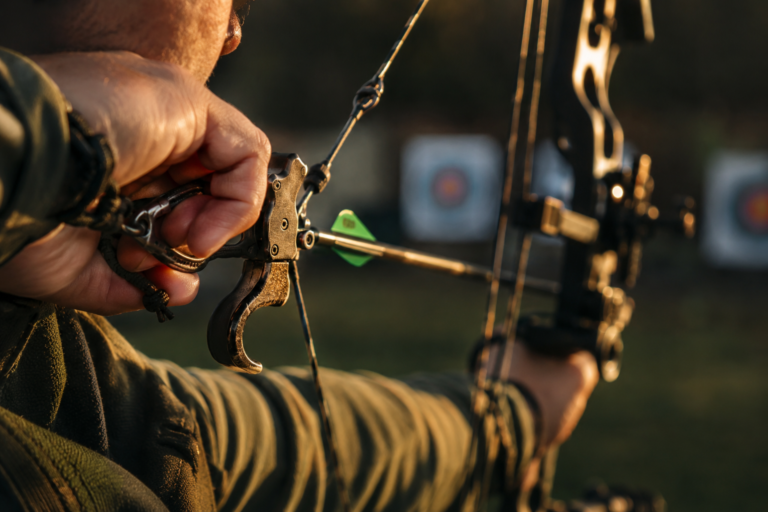
A surprise release means not consciously timing the exact moment the string lets go - it happens naturally from back tension, eliminating the anticipation that causes target panic.
 ByTravis
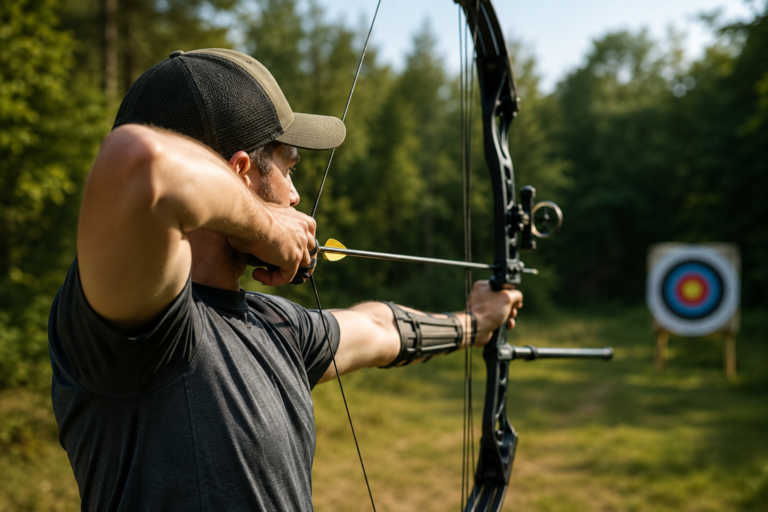
Rotating your elbow pit upward rather than facing it horizontally aligns your forearm and upper arm bones behind the bow, creating a stable skeletal structure.
ByTravis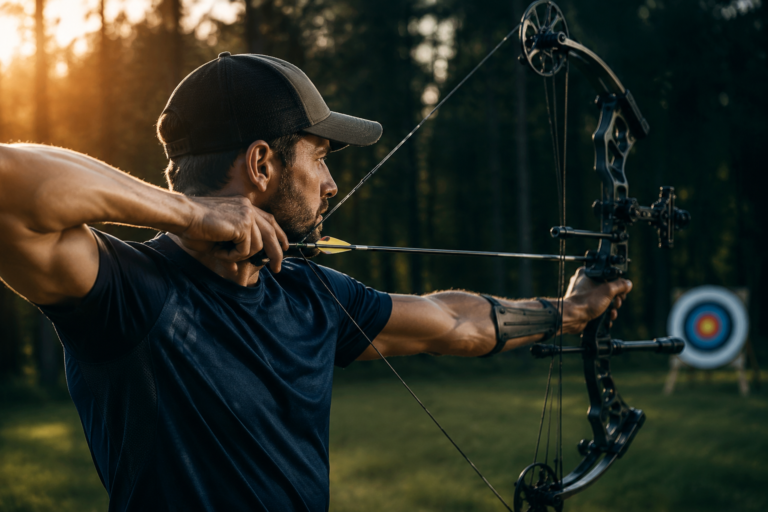
Drawing smoothly comes down to proper alignment, using your back and shoulder muscles rather than arm strength, and a fluid, unhurried motion from grip to full draw.
ByTravis
Take a controlled breath during the draw, exhale partially at anchor, then hold for 3-6 seconds through the aim and release - this steadies your platform and improves accuracy.
ByTravis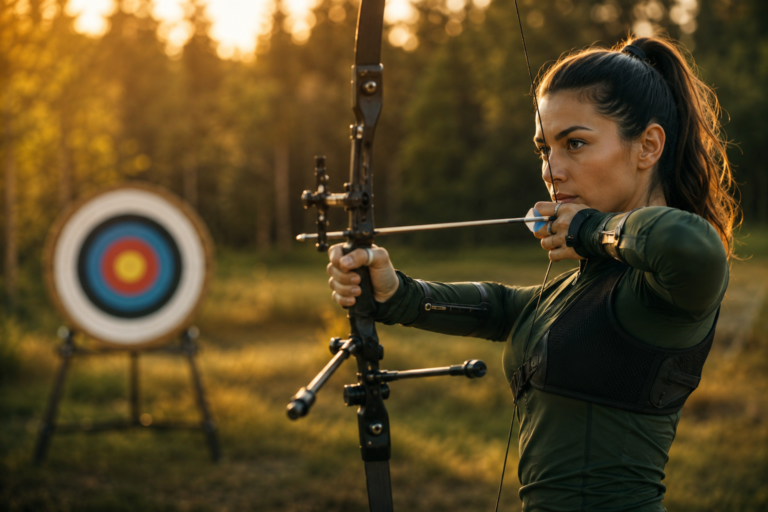
Most beginners can hit a target consistently from 20 yards within 3-6 months of regular practice, though reaching competitive intermediate skill takes 1-2 years.
ByTravis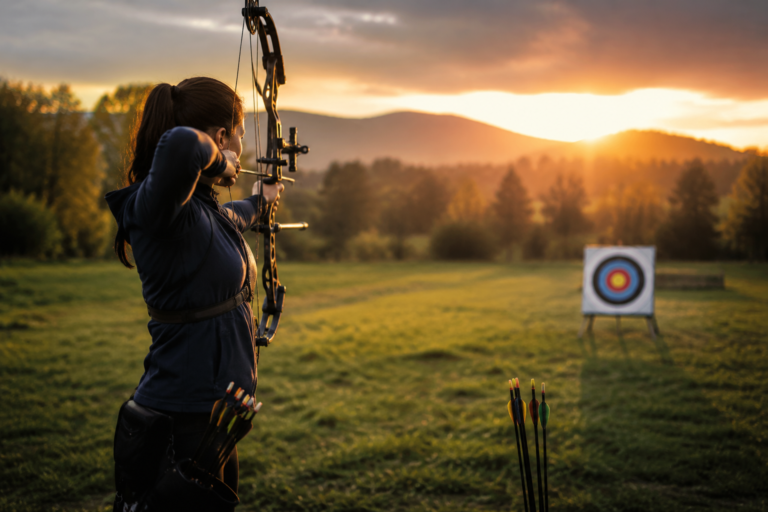
Most archers should practice 3-4 times a week for 60-90 minutes to see consistent improvement without overdoing it - beginners do best with shorter, more frequent sessions.
ByTravis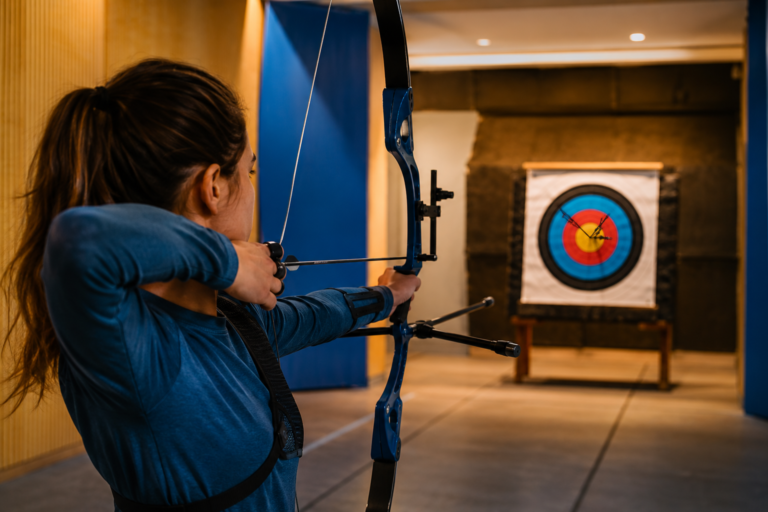
At 10 yards you can isolate specific skills - anchor consistency, release execution, follow-through - and get immediate feedback without distance variables getting in the way.
ByTravis
Exercises targeting your back, shoulders, and core directly improve accuracy and consistency - the rhomboids, trapezius, rotator cuff, and deltoids control draw stability.
ByTravis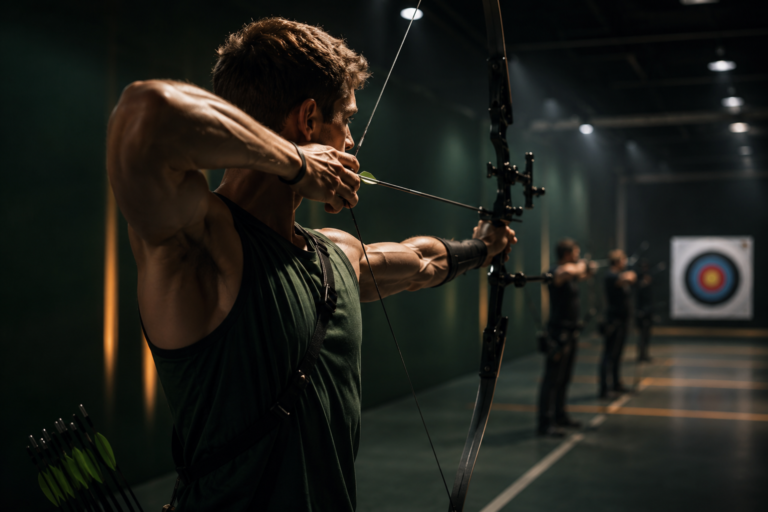
Archery is a legitimate workout for upper body strength, core stability, and muscular endurance - drawing a bow repeatedly burns roughly 140-280 calories per hour.
ByTravis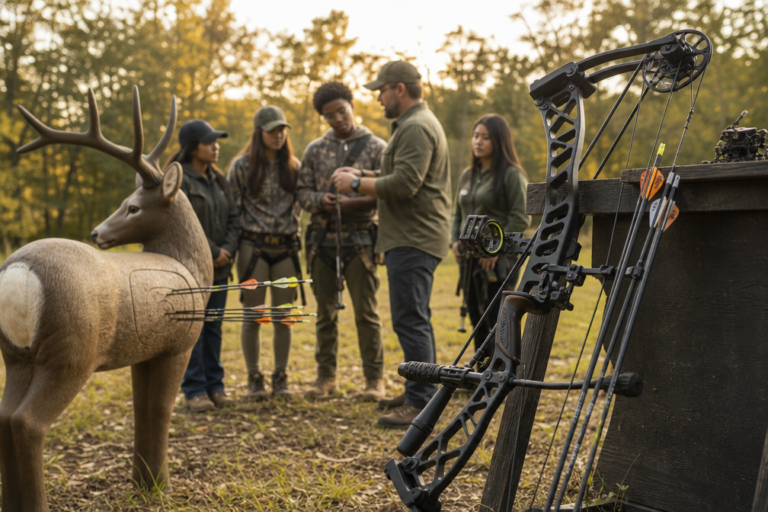
Bowhunter education teaches archery hunters the skills, safety protocols, and ethics required to hunt with bows - most states require it before issuing an archery hunting license.
ByTravis