
Newsletter Subscribe
Enter your email address below and subscribe to our newsletter
All voices matter
All voices matter
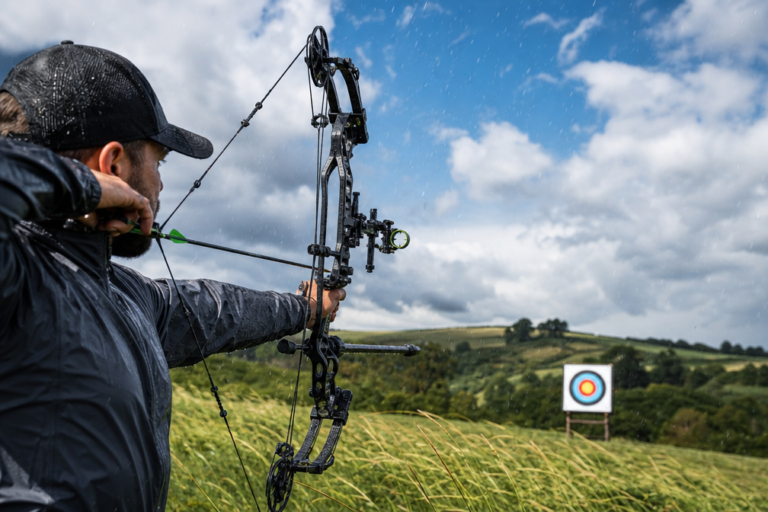
Weather changes how arrows fly by altering air density and creating wind drift - wind is the biggest factor, capable of pushing arrows several inches off target past 40 yards.
 ByTravis

Most archers need 6-12 arrows to start - enough for practice sessions, with hunters typically carrying 3-6 in the field and competitive archers owning a dozen or more.
ByTravis
Yes - arrows lighter than your bow's minimum weight spec can damage limbs, cams, and strings, void your warranty, and create a real safety hazard.
ByTravis
FOC (Front of Center) measures how much of an arrow's weight sits in the front half - higher FOC improves penetration and flight stability for hunting big game.
ByTravis
Recurve bows have curved limb tips for faster arrow speeds from a shorter frame, while longbows keep straighter limbs for a smoother draw - here's how they compare for traditional archery.
ByTravis
Most ethical bowhunters limit shots on deer to 30-40 yards, even though modern equipment can shoot much farther - effective range comes down to skill, gear, and conditions, not just distance.
ByTravis
Compare compound bows and crossbows for hunting and target shooting. Learn accuracy, cost, ease of use, and regulations to choose the right weapon.
ByTravis
Fixed-blade broadheads offer superior penetration and durability but need more tuning, while mechanical broadheads fly like field points with less forgiveness on impact - here's the honest tradeoff.
ByTravis
The right broadhead grain depends on your bow setup and target - most compound hunters shoot 100-grain for speed, while traditional shooters often go 125-grain or heavier.
ByTravis
Not exactly - broadheads create more wind resistance and can expose tuning issues that field points mask, but proper bow tuning minimizes the difference.
ByTravis