
Newsletter Subscribe
Enter your email address below and subscribe to our newsletter

All voices matter
All voices matter
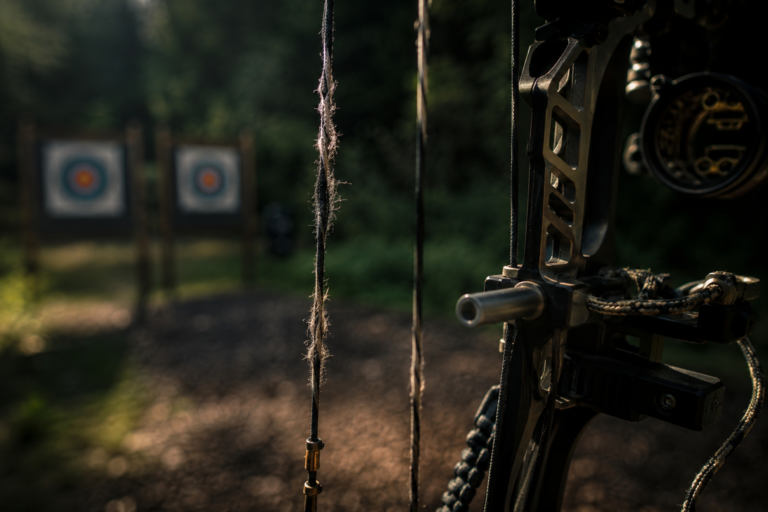
Most compound bow strings need replacing every 2-3 years or 2,500-5,000 shots, whichever comes first - recurve strings wear out faster.
 ByTravis

No - leaving a compound bow drawn for more than 30-60 seconds causes muscle fatigue, accuracy loss, and unnecessary stress on the limbs and cables.
ByTravis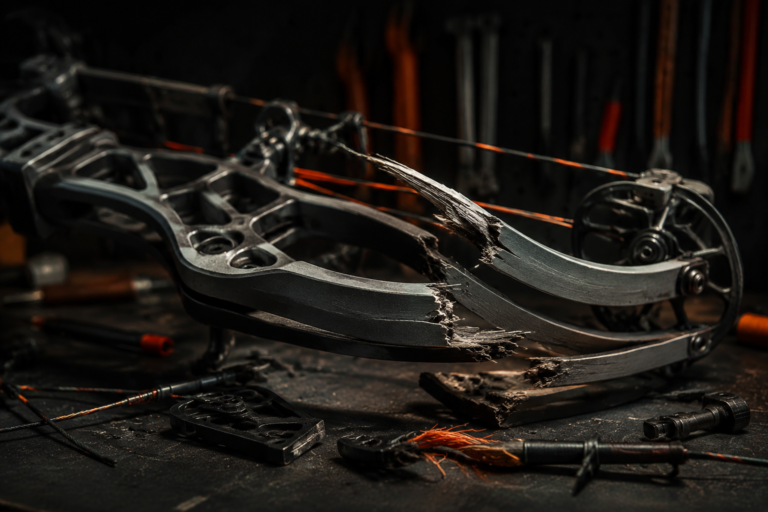
Dry firing releases a bowstring without an arrow, causing catastrophic damage to limbs, strings, and cams. Learn why it destroys bows and how to prevent it.
ByTravis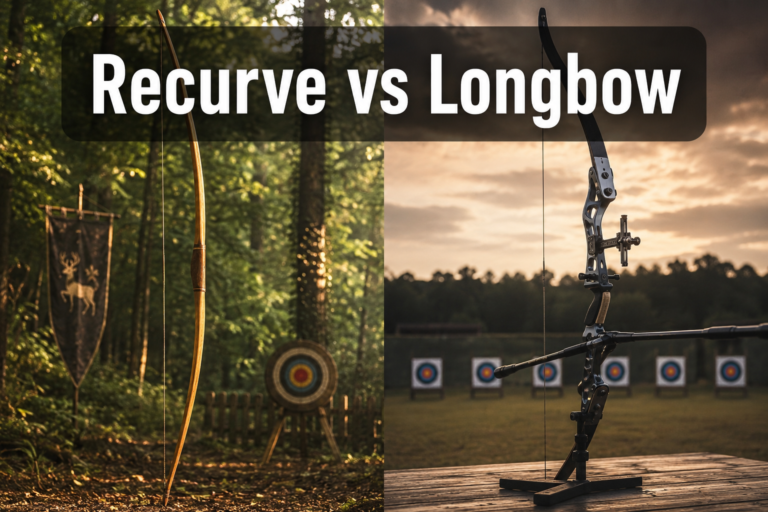
Recurve bows have curved limb tips for faster arrow speeds from a shorter frame, while longbows keep straighter limbs for a smoother draw - here's how they compare for traditional archery.
ByTravis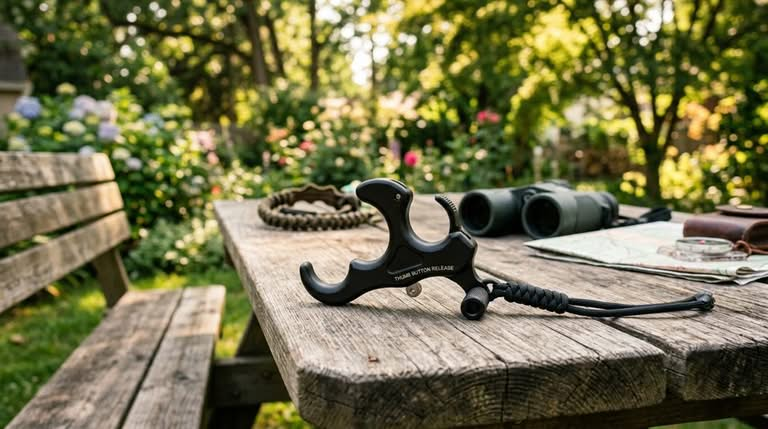
Could your bow release secretly be sabotaging your shot accuracy? Find out which models could transform your aim—and what you’re missing.
ByTravis
Before buying a used compound bow, check the limbs for cracks, inspect cam timing and cable wear, confirm draw weight and length fit, and test-shoot it if you can.
ByTravis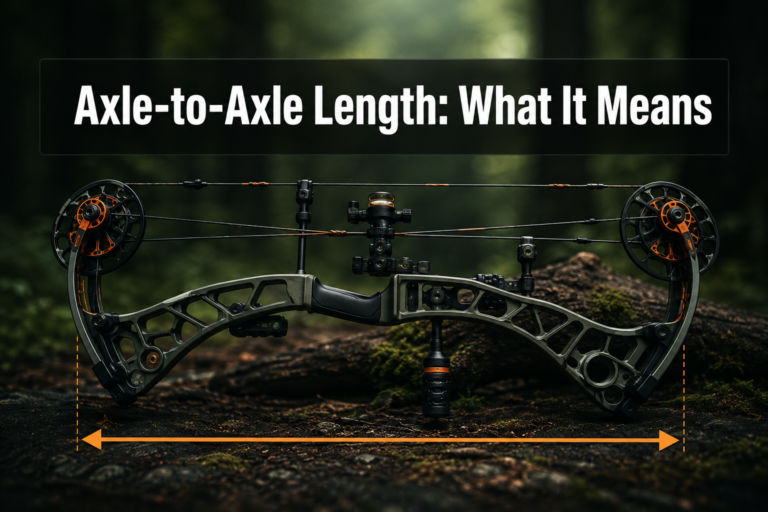
Learn what axle-to-axle length means on a compound bow, how to measure it correctly, and why it matters for hunting and target archery accuracy.
ByTravis
Compare compound bows and crossbows for hunting and target shooting. Learn accuracy, cost, ease of use, and regulations to choose the right weapon.
ByTravis
A well-maintained compound bow typically lasts 15 to 25 years or more, though strings, cables, and cams need replacing every 2-5 years depending on use.
ByTravis
Let-off is the percentage of draw weight reduction a compound bow provides at full draw - an 80% let-off means holding just 20% of peak weight, making it easier to aim steadily.
ByTravis