
Newsletter Subscribe
Enter your email address below and subscribe to our newsletter

All voices matter
All voices matter
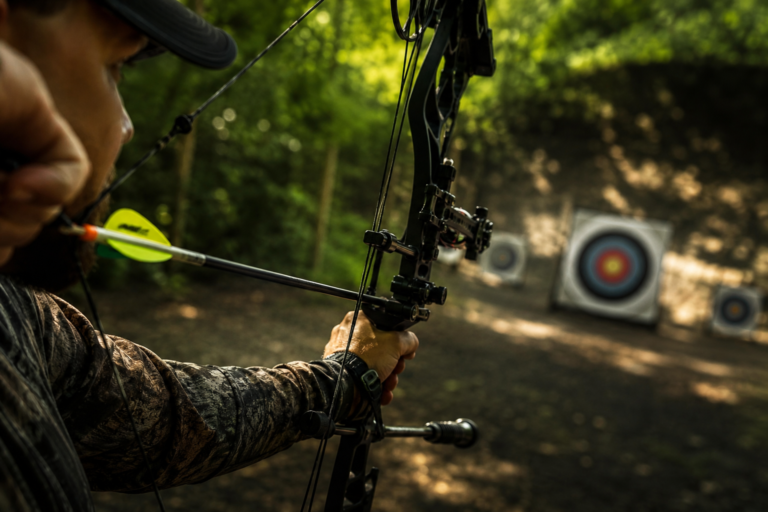
A bow shooting consistently left or right usually comes down to shooter form, equipment problems, or tuning errors - here's how to diagnose which one is causing yours.
 ByTravis
Walk-back tuning has you shoot from progressively longer distances to spot and correct horizontal arrow drift caused by sight or rest misalignment.
ByTravis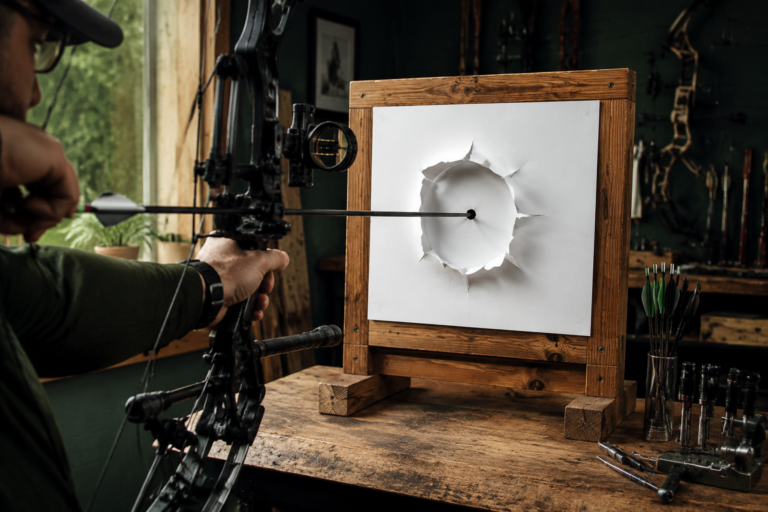
Learn how to paper tune a bow with step-by-step instructions, troubleshooting tips, and expert advice for perfect arrow flight and hunting accuracy.
ByTravis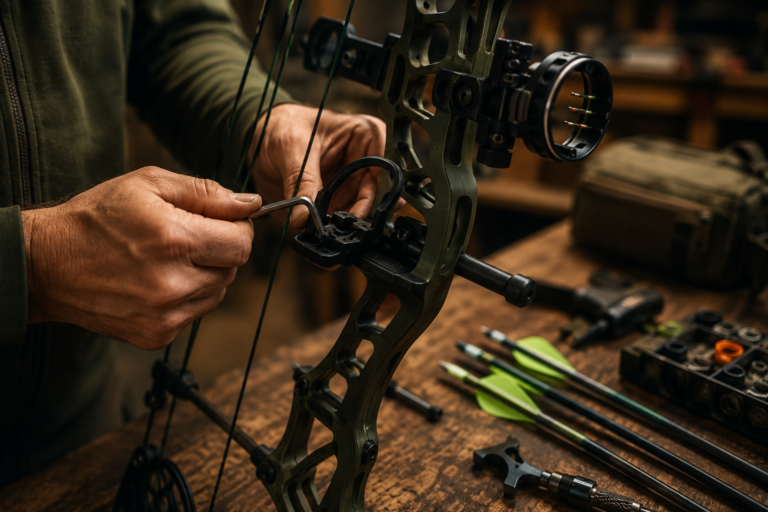
Bow tuning is the process of adjusting your bow's components - rest position, nocking point, cam timing, centershot - so arrows fly straight and consistently.
ByTravis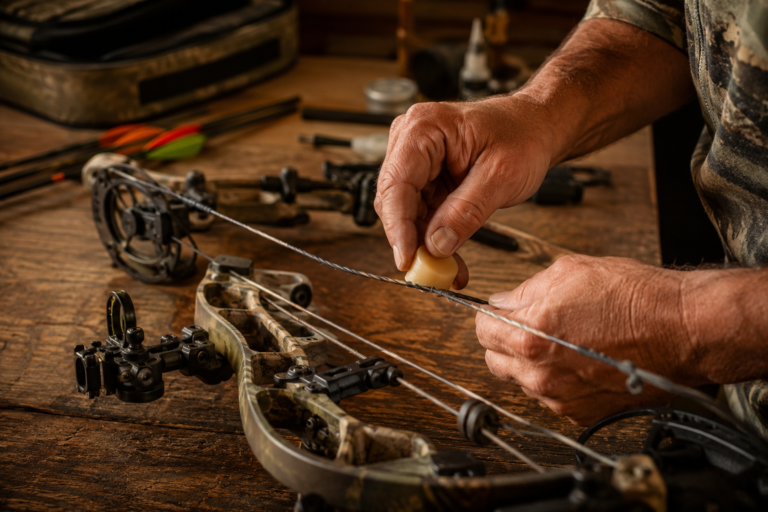
A well-maintained bow string can last 2-3 years, but neglect can take it down to under six months - wax every 2-4 weeks during active shooting season.
ByTravis
Learn the critical signs of bow string wear, when to replace your string, and how to inspect for damage. Expert guide to bow string safety and maintenance.
ByTravis
Most compound bow strings need replacing every 2-3 years or 2,500-5,000 shots, whichever comes first - recurve strings wear out faster.
ByTravis
No - leaving a compound bow drawn for more than 30-60 seconds causes muscle fatigue, accuracy loss, and unnecessary stress on the limbs and cables.
ByTravis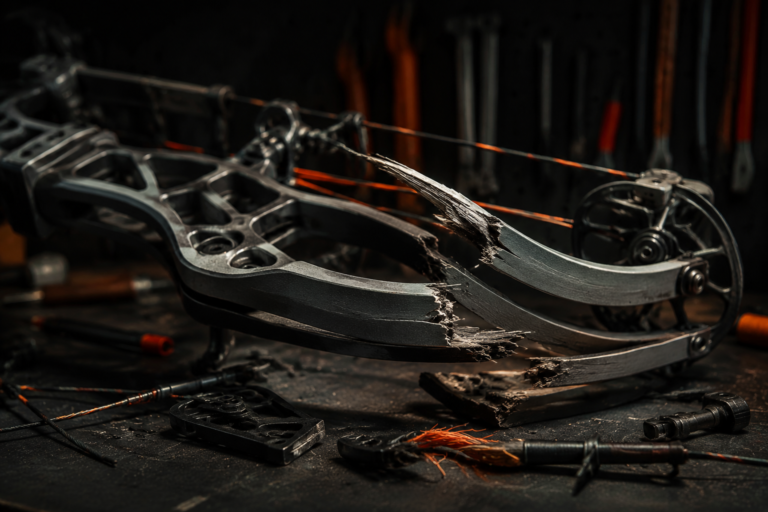
Dry firing releases a bowstring without an arrow, causing catastrophic damage to limbs, strings, and cams. Learn why it destroys bows and how to prevent it.
ByTravis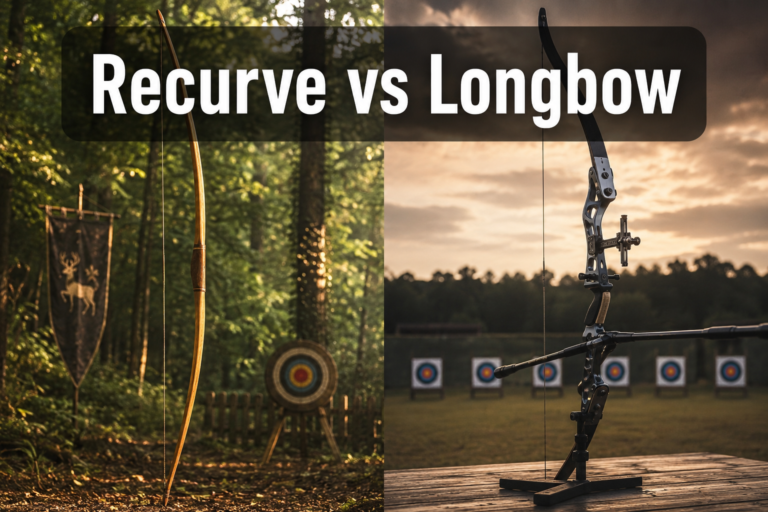
Recurve bows have curved limb tips for faster arrow speeds from a shorter frame, while longbows keep straighter limbs for a smoother draw - here's how they compare for traditional archery.
ByTravis