Newsletter Subscribe
Enter your email address below and subscribe to our newsletter

All voices matter
All voices matter

 ByTravis
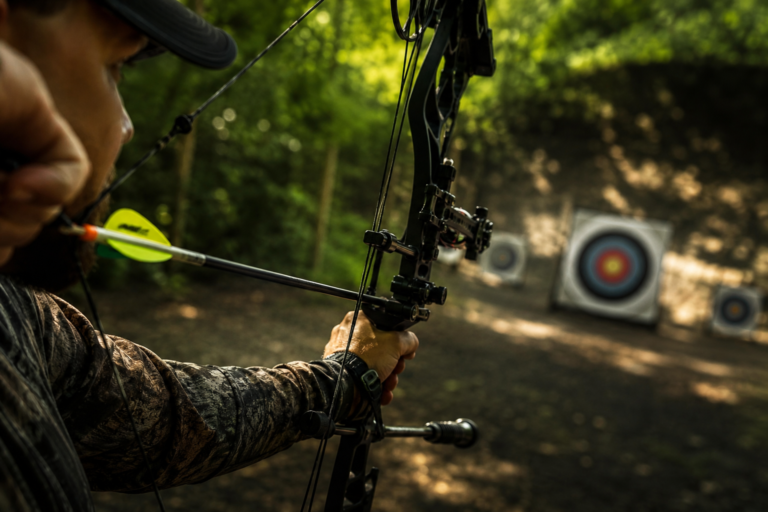
No - leaving a compound bow drawn for more than 30-60 seconds causes muscle fatigue, accuracy loss, and unnecessary stress on the limbs and cables.
Affiliate Disclaimer: We are a participant in the Amazon Services LLC Associates Program, an affiliate advertising program designed to provide a means for sites to earn advertising fees by advertising and linking to Amazon.com. As an Amazon Associate I earn from qualifying purchases. We also participate in other affiliate programs.

No, you should not leave a compound bow drawn for extended periods. While compound bows are designed with let-off systems that reduce holding weight at full draw by 65-80%, keeping the bow drawn for more than 30-60 seconds can cause muscle fatigue, accuracy loss, and potential stress to the bow’s limbs and cables. The mechanical advantage of a compound bow makes holding easier than a recurve, but it’s not designed for prolonged static tension.
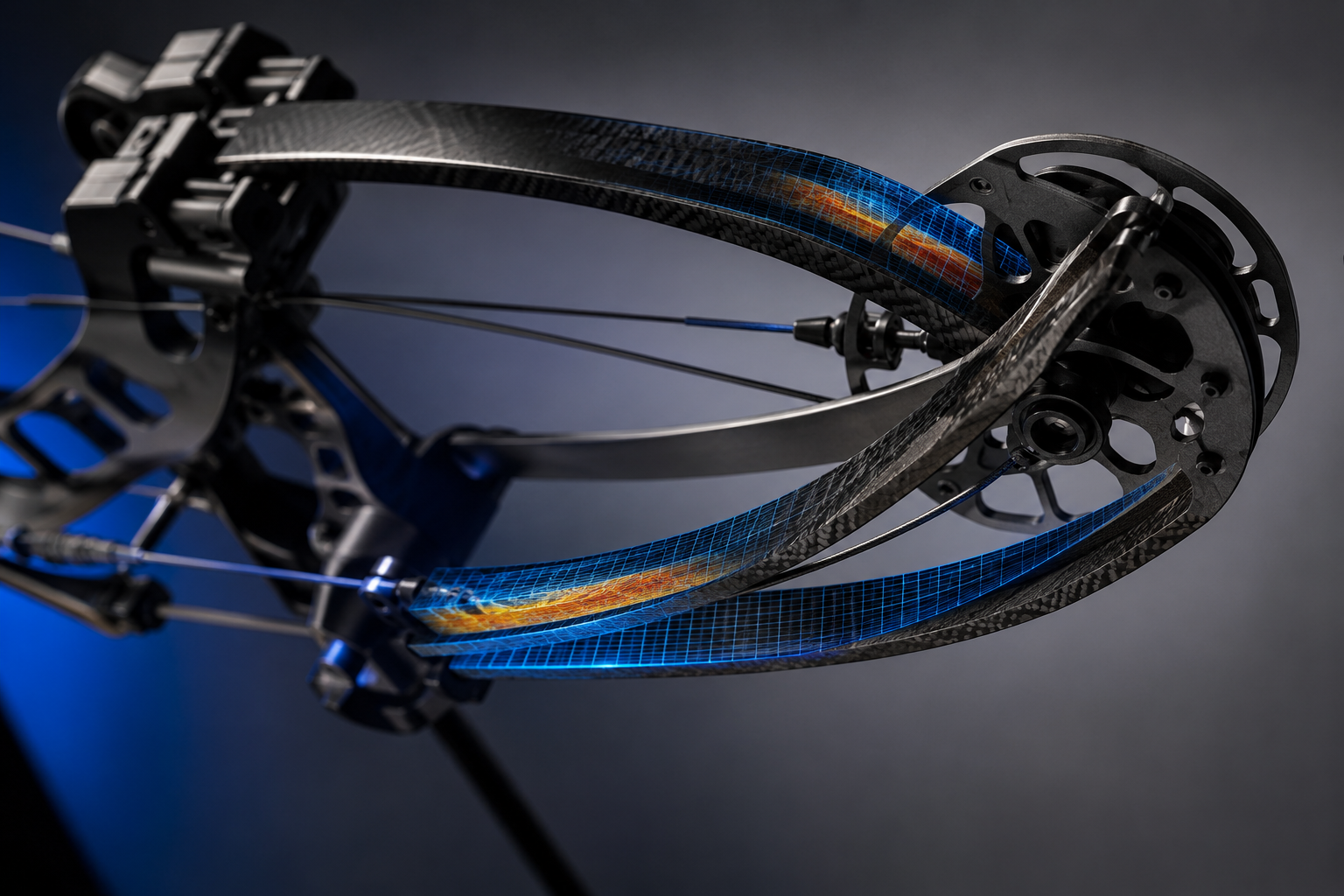
Leaving a compound bow drawn for extended periods creates several immediate and long-term problems. The limbs experience continuous stress that can lead to compression set (permanent deformation), the cables and strings stretch unevenly, and the cam timing can shift out of alignment.
When you hold a compound bow at full draw beyond the recommended time, several things occur:
Immediate effects:
Long-term damage to the bow:
Common mistake: Many beginners think the let-off feature means they can hold indefinitely. The let-off only reduces the holding weight, it doesn’t eliminate stress on the bow’s components. Even at 80% let-off, the limbs are still storing the full draw weight’s energy.
You can safely hold a compound bow at full draw for 30-60 seconds under normal circumstances. Most experienced archers aim for 10-20 seconds from full draw to release, which provides enough time for proper aiming without risking fatigue or equipment stress.
The safe hold duration depends on several factors:
Your physical conditioning:
Bow specifications:
Environmental factors:
Choose this approach if: You’re practicing target archery, aim for 8-12 second holds to build consistency. For hunting scenarios, practice holding 20-30 seconds to prepare for waiting on animal movement.
Compound bows can be held at full draw significantly longer than recurve bows due to their let-off system. A compound bow with 75% let-off reduces a 60-pound draw to just 15 pounds of holding weight, while a recurve bow requires holding the full 60 pounds throughout the draw.
Compound bow advantages for holding:
Recurve bow limitations:
The practical difference: If you’re comparing a 50-pound recurve bow to a 50-pound compound bow with 75% let-off, you’re holding 50 pounds versus 12.5 pounds. This four-fold reduction makes compound bows far more forgiving for extended aiming periods.
Edge case: Olympic recurve archers use stabilizers and clickers to manage hold time, but even with training, they rarely exceed 10-12 seconds at full draw before releasing.
Yes, leaving a compound bow drawn will damage the limbs if done repeatedly or for extended periods. The limbs are designed for dynamic loading (rapid draw and release cycles), not static tension, and prolonged stress can cause permanent deformation, delamination, or catastrophic failure.
How limb damage occurs:
The limbs on a compound bow are typically made from laminated materials, layers of fiberglass, carbon fiber, or wood composites bonded together. When held at full draw:
Time thresholds for damage:
Warning signs your limbs are damaged:
Common mistake: Leaving a bow drawn while answering a phone call or talking to someone. Even 2-3 minutes can introduce stress that accumulates over time with repeated incidents.
Yes, you can safely leave a compound bow strung when not in use for extended periods. Unlike traditional recurve or longbows, compound bows are designed to remain strung, and the limbs are pre-stressed during manufacturing to handle continuous tension from the cables and strings.
Why compound bows differ from traditional bows:
Modern compound bows use pre-stressed limbs that are actually designed to maintain tension. The limbs are manufactured with a specific amount of pre-load, meaning they’re built to handle the resting tension of the strung bow indefinitely.
Best practices for storing a strung compound bow:
What you should NOT do:
Contrast with recurve bows: Traditional recurve and longbows should be unstrung when not in use because their limbs aren’t pre-stressed and will take on permanent set if left strung for weeks or months.
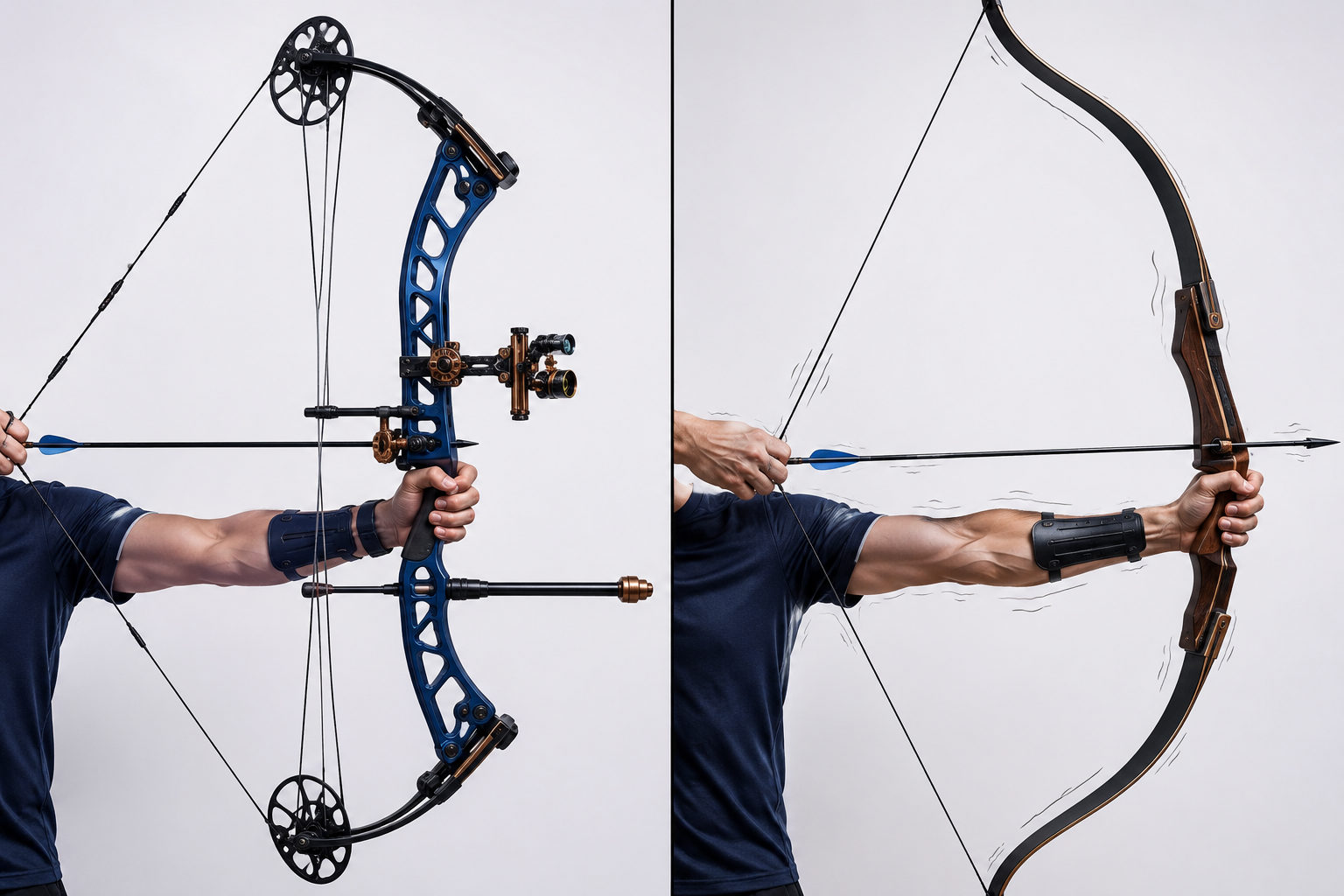
Dry firing a compound bow is catastrophically dangerous regardless of how long you’ve held it at draw. When you release without an arrow, 100% of the stored energy transfers into the bow itself rather than propelling an arrow, causing extreme stress that can shatter limbs, break cams, and send fragments flying at dangerous speeds.
Why dry firing is so destructive:
An arrow normally absorbs 75-85% of the energy stored in the drawn bow. Without an arrow:
The danger multiplies after holding at draw because:
If you need to let down from full draw safely:
Real-world scenario: If you’ve been holding at draw waiting for a deer to move and decide not to shoot, you must let down properly or release the arrow safely. Never attempt to unload by dry firing.
Damaged limbs show specific warning signs including visible cracks or splinters, unusual sounds during the draw cycle, changes in how the bow feels when drawn, decreased arrow speed, and inconsistent shot groupings. Inspect your bow immediately if you’ve accidentally left it drawn for more than a few minutes.
Visual inspection checklist:
Performance indicators of damage:
Testing procedure:
When to seek professional inspection:
Common mistake: Assuming the bow is fine because it still shoots. Damaged limbs can fail catastrophically during a later shot, causing injury.
Professional archers typically hold their compound bows at full draw for 8-15 seconds during competition, with some extending to 20-30 seconds in high-pressure situations. They train extensively to execute shots quickly while maintaining precision, as longer hold times increase fatigue and decrease accuracy.
Competition hold times by discipline:
Target archery (indoor/outdoor):
Field archery:
3D archery:
Bowhunting (professional hunters):
Why professionals keep holds relatively short:
Training techniques professionals use:
Choose this approach if: You’re serious about archery training, practice with a shot timer to build consistent 10-12 second execution from full draw to release.
Let-off is the percentage of draw weight reduction at full draw, typically ranging from 65-80% on modern compound bows. A bow with 70% let-off and 60 pounds of draw weight requires only 18 pounds of holding force at full draw, making it dramatically easier to hold steady while aiming compared to traditional bows.
How let-off works mechanically:
The cam system on a compound bow creates a mechanical advantage. As you draw the string:
Let-off percentages and their effects:
| Let-Off % | 60 lb Draw Weight | 70 lb Draw Weight | Best For |
|---|---|---|---|
| 65% | 21 lbs holding | 24.5 lbs holding | Hunting (more control) |
| 70% | 18 lbs holding | 21 lbs holding | All-around use |
| 75% | 15 lbs holding | 17.5 lbs holding | Target archery |
| 80% | 12 lbs holding | 14 lbs holding | Maximum hold time |
Advantages of higher let-off:
Trade-offs with high let-off:
For beginners: Higher let-off (75-80%) makes learning proper form easier because you’re not fighting muscle fatigue. As you develop strength and consistency, you can adjust based on preference. Check out our guide on what draw weight should a beginner start with for more details.
Proper maintenance prevents limb damage and extends your bow’s lifespan significantly. Inspect your bow before each shooting session, wax strings and cables every 2-3 weeks, check for loose bolts monthly, and have a professional tune-up annually or after every 5,000 shots.
Pre-shooting inspection routine (5 minutes):
Regular maintenance schedule:
Every shooting session:
Every 2-3 weeks (or 100-200 shots):
Every 3-6 months:
Annually or every 5,000 shots:
Critical maintenance mistakes to avoid:
Storage best practices:
When to replace strings and cables:
Yes, beginners can safely hold a compound bow at full draw, but should limit holds to 10-15 seconds initially while building proper form and strength. Starting with an adjustable draw weight bow set to a comfortable poundage allows new archers to develop technique without excessive fatigue or risk of injury.
Beginner-safe hold time progression:
Week 1-2 (Learning phase):
Week 3-4 (Building consistency):
Month 2-3 (Developing strength):
Safety guidelines for beginners:
Common beginner mistakes:
Choose this approach if: You’re new to archery for beginners, select a bow with adjustable draw weight that lets you start light and increase as strength develops. A beginner bow with 15-20 pounds of adjustment range provides room to grow.
Yes, you should be concerned if your compound bow feels different after being left drawn. Changes in draw cycle smoothness, let-off feel, or shooting performance indicate potential damage to limbs, cables, or cam timing that requires immediate inspection before continuing to shoot.
Specific changes and what they indicate:
Draw cycle feels rougher or has “bumps”:
Let-off occurs at a different point:
Back wall feels mushy or inconsistent:
Unusual sounds (creaking, popping, grinding):
Arrow speeds decreased noticeably:
Accuracy suddenly degraded:
Immediate action steps:
When it’s probably okay:
When to replace rather than repair:
Crossbows can stay cocked significantly longer than compound bows can stay drawn, with modern crossbows safely remaining cocked for hours or even days, while compound bows should never be left drawn beyond 30-60 seconds. This difference exists because crossbows use a mechanical latch system that holds the string without continuous human muscle engagement.
Why crossbows handle extended cocking:
Mechanical holding system:
Crossbow safe cocking durations:
Compound bow limitations:
Key differences in design philosophy:
| Feature | Crossbow | Compound Bow |
|---|---|---|
| Holding mechanism | Mechanical latch | Human muscles |
| Safe cocked/drawn time | Hours | Seconds |
| Limb design | Static tension optimized | Dynamic loading optimized |
| Energy storage | Continuous | Brief cycles |
| Safety risk when held | Low (mechanical) | High (human fatigue) |
Practical implications:
For hunting:
For target shooting:
Important crossbow safety note: Even though crossbows can stay cocked for extended periods, manufacturers recommend uncocking at the end of each day to reduce stress on limbs and strings. Never leave a crossbow cocked for multiple days unless absolutely necessary.
Practice holding a compound bow steady by using proper form, progressive strength training, and specialized exercises that build endurance without risking equipment damage. Focus on 10-15 second holds during live shooting, supplemented by resistance band training and blank bale shooting to develop the specific muscles used in archery.
Safe practice techniques:
Progressive hold training:
Blank bale exercises (no risk to bow):
Resistance band training (off-bow strength building):
Form-focused drills:
The 10-second drill:
The progressive hold drill:
The stability drill:
Strength training exercises (gym or home):
Common mistakes that damage equipment:
Safe practice schedule:
Mental training component:
Can you leave a compound bow drawn overnight?
No, never leave a compound bow drawn overnight. Even a few minutes at full draw can damage limbs, cables, and cams, but hours or overnight will almost certainly cause catastrophic damage including limb delamination, permanent set, or complete failure. Always release the arrow or let down safely.
How long is too long to hold a compound bow at full draw?
Anything beyond 60 seconds is too long and risks equipment damage. For optimal safety and performance, limit holds to 30 seconds maximum, with most shots executed within 10-20 seconds. Professional archers typically hold 8-15 seconds during competition.
Will a compound bow lose power if left drawn?
Yes, leaving a compound bow drawn causes the limbs to lose power through compression set and material fatigue. The bow may permanently lose 5-15 fps of arrow speed, and in severe cases, limbs can fail completely. The damage accumulates with each extended hold incident.
Can you leave a compound bow in a hot car?
You can leave a compound bow in a hot car briefly, but extended exposure to heat (above 120°F) can damage limbs, loosen adhesives, and stretch strings and cables. Store bows in climate-controlled environments when possible, and never leave them in vehicles for days during summer.
What happens if you accidentally dry fire a compound bow?
Dry firing a compound bow can shatter limbs, crack the riser, break cams, and snap strings or cables. The energy that should transfer to an arrow instead goes into the bow itself, creating 3-5 times normal stress. This often causes catastrophic failure and can result in serious injury from flying fragments.
How do you know if compound bow limbs are damaged?
Damaged limbs show visible cracks or delamination, make unusual sounds when drawn, feel different during the draw cycle, produce lower arrow speeds, and cause inconsistent accuracy. Any visible damage or significant performance change requires immediate professional inspection before shooting again.
Is 70 pounds too much draw weight for a beginner?
Yes, 70 pounds is too much for most beginners. Start with 40-50 pounds to learn proper form without excessive fatigue. You can increase draw weight as strength and technique develop. Shooting too much weight leads to bad habits, injury risk, and inability to hold steady while aiming.
Can you adjust the draw weight on any compound bow?
Most modern compound bows offer 10-20 pounds of draw weight adjustment through limb bolt turns. However, not all bows are adjustable, and the range varies by model. Check your bow’s specifications or consult the manufacturer to determine available adjustment range.
How often should you replace compound bow strings?
Replace compound bow strings and cables every 2-3 years or after approximately 5,000 shots, whichever comes first. Replace immediately if you notice fraying, broken strands, serving separation, or after any dry fire incident. Regular waxing extends string life.
Do compound bows need to be tuned regularly?
Yes, compound bows should be tuned at least annually, after string replacement, or whenever you notice accuracy problems. Regular shooting causes strings to stretch and components to shift slightly, affecting arrow flight. Professional tuning ensures optimal performance and safety.
What is the best let-off percentage for hunting?
The best let-off for hunting is typically 70-75%, balancing comfortable hold time with a forgiving valley. Higher let-off (80%) allows longer holds but has a smaller sweet spot. Lower let-off (65%) provides more control but requires more strength. Personal preference and physical ability determine the ideal choice.
Can you shoot a compound bow without a release aid?
Yes, you can shoot a compound bow with fingers, but most modern compounds are designed for release aids and may not perform well with finger shooting. The narrow string and steep string angle at full draw make finger shooting uncomfortable and less accurate compared to using a mechanical release.
The question “Can you leave a compound bow drawn?” has a clear answer: no, you should never leave a compound bow drawn beyond 30-60 seconds, and ideally should execute shots within 10-20 seconds of reaching full draw. While the let-off system makes holding easier than traditional bows, the limbs, cables, and cams remain under significant stress that can cause permanent damage with extended holds.
Understanding the mechanics behind let-off, recognizing the warning signs of damage, and practicing proper holding techniques will protect both your equipment investment and your safety. Modern compound bows are engineering marvels designed for thousands of draw cycles, but they’re optimized for dynamic loading, not static tension.
Take these action steps today:
Remember that your compound bow is a precision instrument designed for specific use patterns. Treat it with respect, maintain it properly, and it will provide years of accurate, reliable performance. The few seconds you save by holding at full draw are never worth the risk of equipment damage or injury.
For more guidance on proper bow selection and technique, explore our resources on archery equipment and target archery to continue developing your skills safely and effectively.