Newsletter Subscribe
Enter your email address below and subscribe to our newsletter

All voices matter
All voices matter
 ByTravis
Most compound bow strings need replacing every 2-3 years or 2,500-5,000 shots, whichever comes first - recurve strings wear out faster.
Affiliate Disclaimer: We are a participant in the Amazon Services LLC Associates Program, an affiliate advertising program designed to provide a means for sites to earn advertising fees by advertising and linking to Amazon.com. As an Amazon Associate I earn from qualifying purchases. We also participate in other affiliate programs.
Quick Answer: Most compound bow strings should be replaced every 2-3 years or after 2,500-5,000 shots, whichever comes first. Recurve bow strings typically last 1-2 years or 1,500-3,000 shots. However, the actual replacement schedule depends on shooting frequency, environmental conditions, maintenance habits, and visible wear signs like fraying, serving separation, or strand breakage.
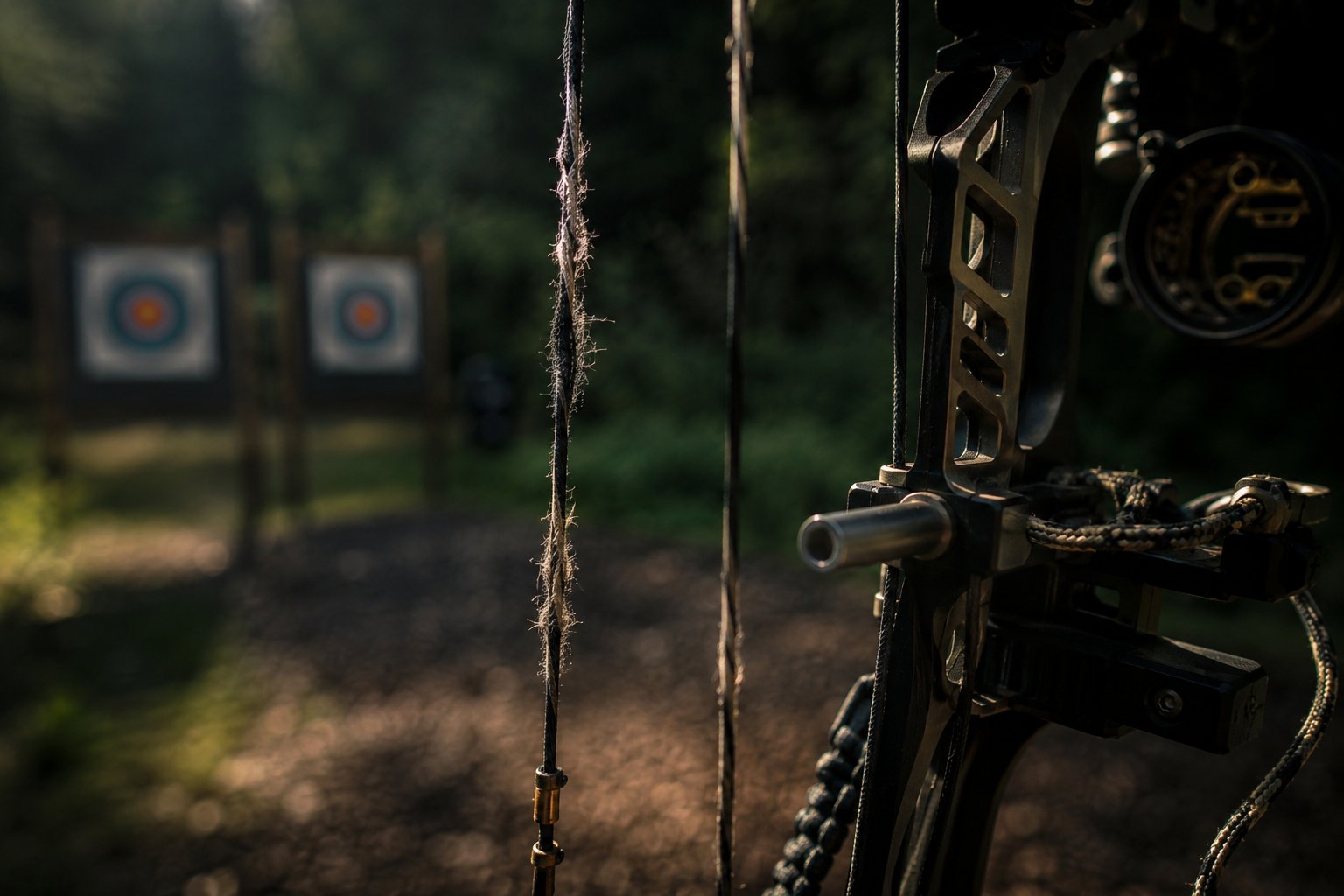
The replacement frequency for bow strings depends on five primary factors: shooting volume, bow type, environmental exposure, maintenance quality, and material composition. A competitive archer shooting 100 arrows daily needs replacement far sooner than a recreational hunter taking 20 shots per season.
Key factors affecting string lifespan:
For beginners starting with compound bows, establishing a maintenance log from day one helps track shot counts and identify replacement patterns specific to your shooting habits.
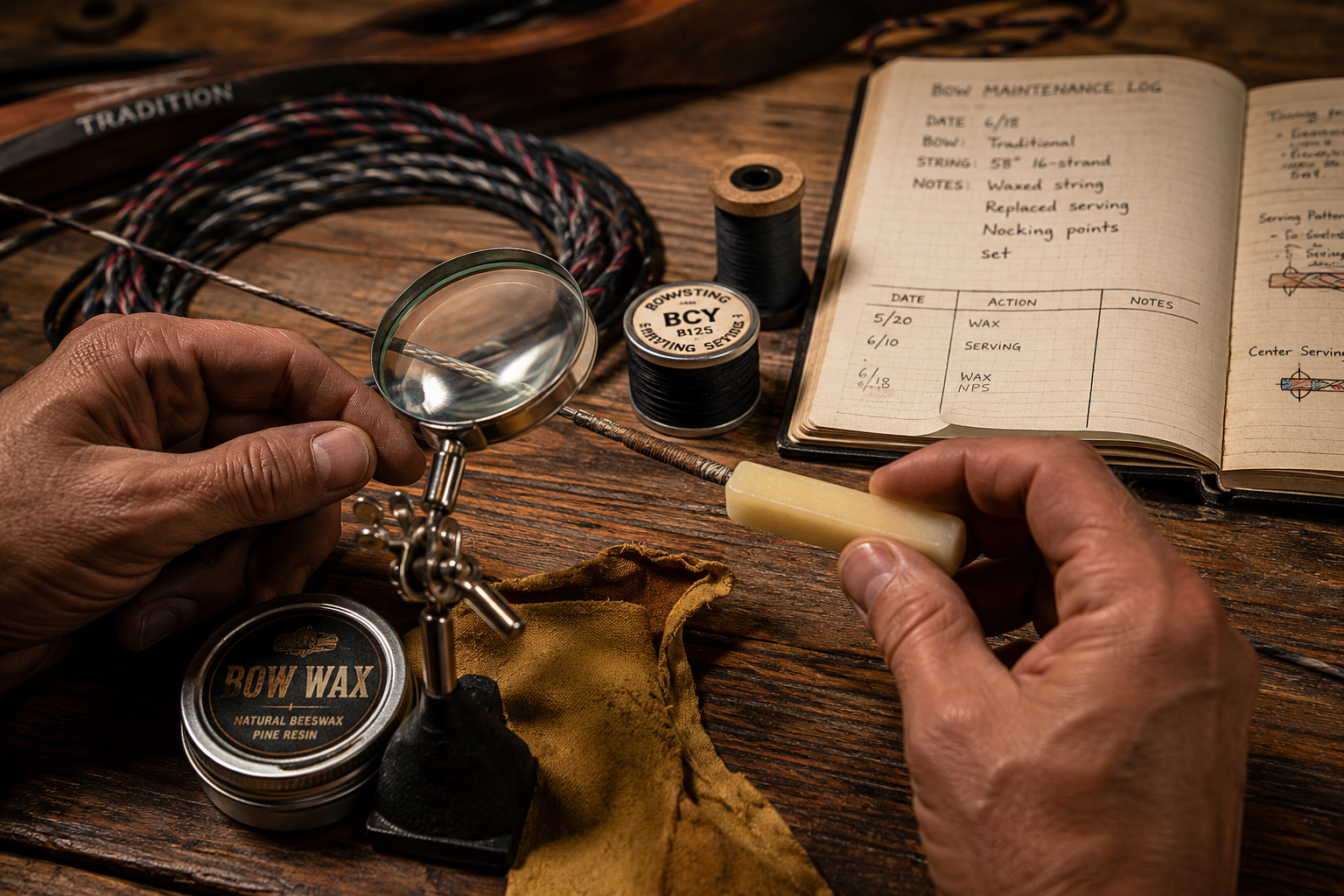
Compound bow strings typically withstand 2,500-5,000 shots before requiring replacement, while recurve bow strings handle 1,500-3,000 shots. These ranges vary significantly based on draw weight, shooting style, and environmental conditions.
Shot count guidelines by bow type:
Track your shot count using a simple tally system or archery app. If you shoot 50 arrows per session three times weekly, you’ll reach 2,500 shots in roughly 17 weeks. Many competitive archers replace strings preemptively at 80% of expected lifespan to avoid mid-competition failures.
Common mistake: Assuming all strings last the same duration regardless of use intensity. A tournament shooter’s string experiences far more stress cycles than a casual plinker’s, even with identical shot counts, due to higher draw weights and faster shooting cadences.
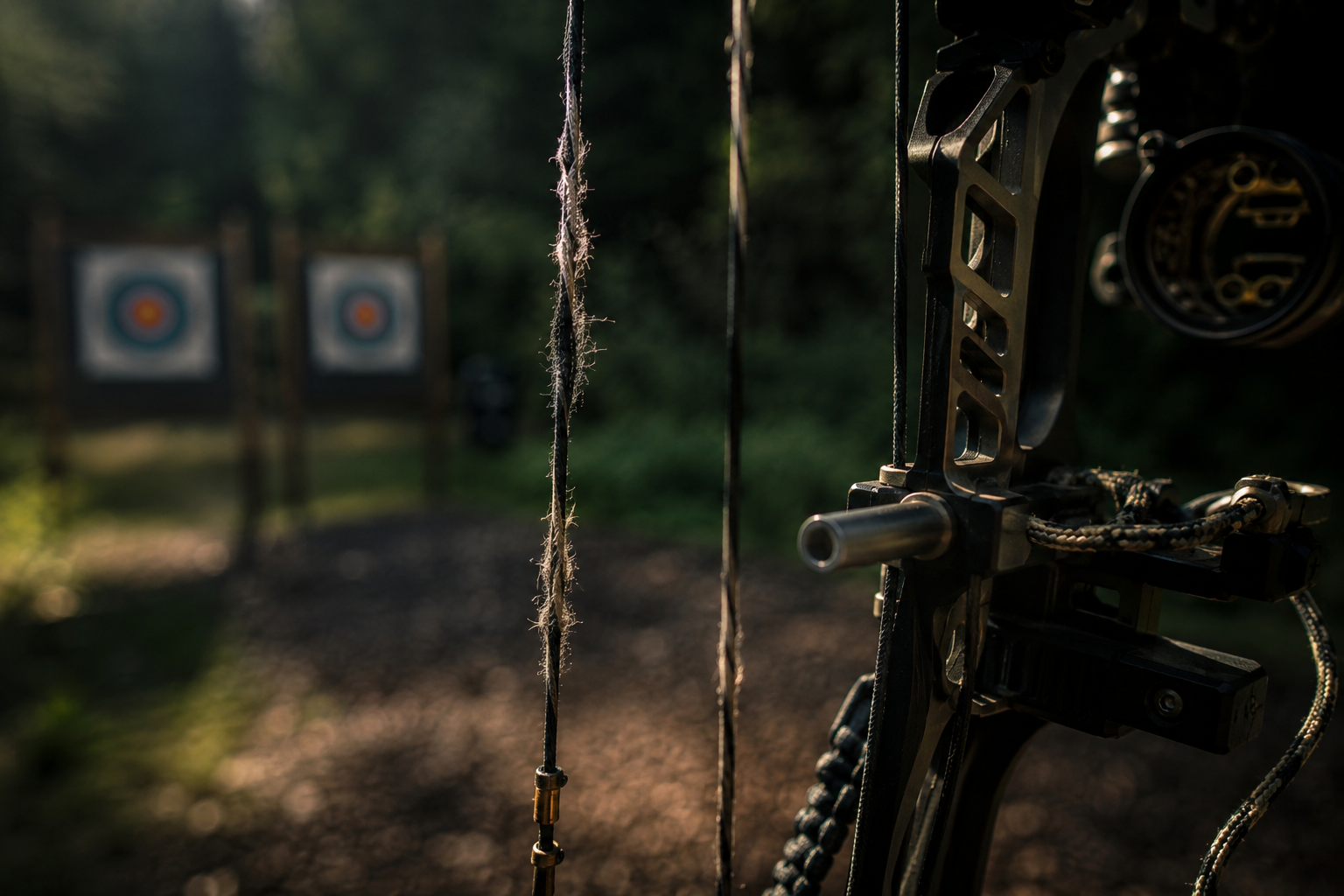
Visible fraying, serving separation, broken strands, and fuzzy texture indicate immediate replacement needs. Don’t wait for complete failure, these warning signs give you time to replace strings safely before catastrophic breakage occurs.
Critical warning signs requiring immediate replacement:
Inspection routine: Before each shooting session, run your fingers along the entire string length, feeling for rough spots or separated fibers. Check serving wraps at both ends and the nocking point. Inspect under good lighting, many wear patterns are invisible in dim conditions.
If you notice any broken strands or significant serving damage, stop shooting immediately. A failed string can cause limb damage costing hundreds of dollars in repairs, far exceeding the $50-150 replacement cost.
Compound bow strings last longer (2-3 years or 2,500-5,000 shots) than recurve bow strings (1-2 years or 1,500-3,000 shots) because compound systems distribute stress across multiple cables and the let-off reduces holding strain. Recurve strings bear the full draw weight throughout the entire draw cycle, creating more friction and stress.
Lifespan comparison:
| Bow Type | Typical Lifespan | Shot Count | Replacement Cost |
|---|---|---|---|
| Compound | 2-3 years | 2,500-5,000 | $75-150 |
| Recurve | 1-2 years | 1,500-3,000 | $50-100 |
| Traditional | 1-2 years | 1,000-2,500 | $30-75 |
| Crossbow | 1-2 years | 1,500-3,000 | $100-200 |
Recurve bows also experience more string slap and limb contact, which accelerates wear at contact points. The simpler design means the single string handles all energy transfer, while compound bows distribute forces across strings, cables, and cam systems.
Choose compound bows if you want longer string life and less frequent maintenance. Choose recurve bows if you prefer traditional shooting and don’t mind more frequent string replacement as part of regular equipment care.
Professional bow string replacement costs $50-150 for labor and materials, with compound bows at the higher end due to additional cables. DIY replacement costs $20-60 for strings alone but requires specialized tools like a bow press for compound bows.
Cost breakdown by service type:
Many pro shops offer string replacement packages that include post-installation tuning and paper testing, ensuring your bow shoots accurately after the swap. This added service justifies the higher cost compared to DIY work.
Budget tip: Buy strings during off-season sales (January-March) when archery shops clear inventory. Some shops offer discounts if you purchase multiple sets at once, useful if you own several bows or want backup strings on hand.
Recurve bow strings can be replaced by beginners with basic tools in 15-30 minutes, while compound bow strings require a bow press and technical knowledge, making professional replacement safer for most shooters. If you’ve never worked on bow mechanics before, professional installation ensures proper timing, cam synchronization, and safe operation.
DIY recurve string replacement steps:
Compound bow replacement requires:
Common DIY mistake: Attempting compound bow string replacement without a press by using makeshift methods. This is extremely dangerous, compressed limbs store 60-80 pounds of energy that can cause severe injury if released unexpectedly.
For beginners, having your first 2-3 string replacements done professionally while watching and asking questions builds the knowledge needed for eventual DIY work.
Delayed string replacement risks catastrophic string failure, which can damage limbs, cams, and cables while potentially causing injury from flying string fragments or limb kickback. A broken string releases stored energy unpredictably, often cracking limbs or bending cams beyond repair.
Consequences of worn strings:
Real-world scenario: A hunter using 4-year-old strings on a 70-pound compound bow experienced string failure during full draw. The broken string allowed the cam to rotate backward, cracking both limbs and requiring $600 in repairs plus a missed hunting season.
Insurance rarely covers bow damage from neglected maintenance, making preventive string replacement a cost-effective investment compared to major repairs.
Regular waxing every 2-4 weeks extends string life by 50-100%, protecting fibers from moisture, UV damage, and friction wear. Apply wax after every 100-150 shots or whenever strings appear dry or fuzzy.
Proven maintenance practices:
Waxing technique: Apply wax along the entire string length except serving wraps. Rub vigorously with fingers to generate heat, melting wax into fiber gaps. Wipe away excess with a clean cloth. The string should appear slightly glossy but not goopy.
Environmental protection: UV exposure degrades synthetic string materials faster than any other factor. Bows stored in vehicles or near windows experience 2-3 times faster deterioration than those kept in dark, cool spaces.
For archery training programs, establish a group maintenance schedule where all participants wax strings together monthly, building good habits while extending equipment life.
Crossbow strings require replacement every 1-2 years or 1,500-3,000 shots, similar to recurve bows, because crossbows generate higher string speeds (350-450 fps) and friction from the rail contact. The horizontal orientation and mechanical trigger system create unique wear patterns not found in vertical bows.
Crossbow-specific wear factors:
Crossbow manufacturers often specify exact shot counts for string replacement in owner’s manuals. Follow these recommendations closely, crossbow string failures are more dangerous than vertical bow failures due to the mechanical trigger system and higher stored energy.
Inspection focus: Check the center serving and rail contact area after every 50-100 shots. These high-friction zones show wear first and provide early warning of replacement needs.
Waxing maintains existing strings by protecting fibers from moisture and friction, while replacement addresses structural damage like broken strands or stretched materials that waxing cannot repair. Waxing is preventive maintenance; replacement is corrective action when strings reach end-of-life.
When waxing is sufficient:
When replacement is necessary:
Think of it this way: Waxing is like changing your car’s oil, regular maintenance that extends life. Replacement is like changing worn tires, necessary when structural integrity is compromised, regardless of maintenance history.
Many archers over-rely on waxing, assuming it can restore worn strings. While waxing helps, it cannot repair broken fibers or restore elasticity to degraded materials.
Occasional shooters should replace bow strings every 2-3 years based on calendar time rather than shot count, because synthetic string materials degrade from UV exposure, humidity, and oxidation even without use. A bow shot 50 times over three years needs replacement just as much as one shot 3,000 times in the same period.
Time-based replacement schedule for low-volume shooters:
Material degradation factors:
Practical example: A hunter who shoots 20 arrows per year for sight-in but stores the bow in an unheated garage should replace strings every 2 years. The environmental exposure causes more damage than the minimal shooting stress.
For hunting bow owners who shoot primarily during season, mark your calendar for biennial string replacement regardless of shot count. The cost of replacement is minimal compared to a missed shot on a trophy animal due to string failure.
Premature string breakage results from dry-firing, improper installation, manufacturing defects, chemical exposure, or extreme environmental conditions. Most early failures are preventable through proper handling and maintenance practices.
Top causes of premature failure:
Prevention strategies:
Warning sign: If a string breaks with less than 1,000 shots and no visible wear, inspect your bow for sharp edges or contact points that may have cut the string. Address these issues before installing replacement strings.
Beginners don’t need more frequent string replacement than experienced archers, but they should inspect strings more carefully because they’re less familiar with normal wear patterns and may miss early warning signs. New archers benefit from professional inspections every 6 months during the first year to build recognition skills.
Beginner-specific considerations:
Recommended approach for beginners:
Educational opportunity: Many archery shops offer free equipment inspections for customers. Take advantage of these services to learn what healthy strings look like compared to worn ones.
For those getting started with archery, building good maintenance habits from day one prevents expensive repairs and ensures safe, consistent shooting performance.
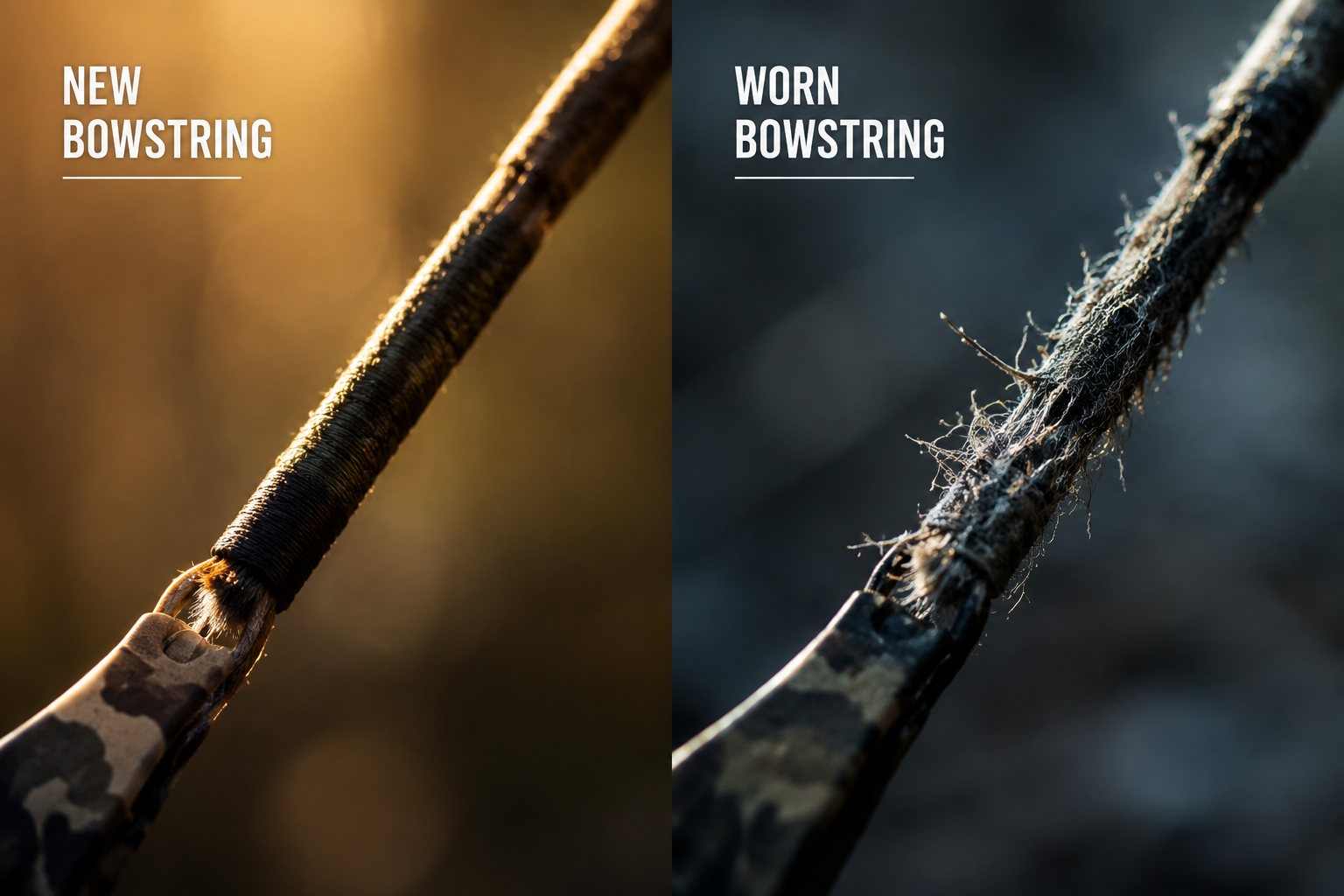
Normal wear appears as slight fuzziness with intact fiber bundles, while problematic fraying shows separated strands, broken fibers, or exposed core materials. Run your fingers along the string, normal wear feels slightly textured but smooth, while fraying catches on skin and shows visible gaps between fiber bundles.
Normal wear characteristics:
Problematic fraying indicators:
Inspection technique: Hold the string up to bright light and gently twist it while observing. Normal wear shows consistent fiber alignment, while fraying reveals gaps, broken strands, or inconsistent density.
Decision rule: If you can see individual broken fibers or if the string catches on your fingers when you run them along its length, replacement is necessary. If the string just looks slightly fuzzy but feels smooth and shows no broken strands, waxing may restore it.
Take photos of your strings when new and compare them to current condition every few months. This visual reference helps you recognize gradual degradation that’s easy to miss with daily exposure.
How often should you replace bow strings on a compound bow?
Replace compound bow strings every 2-3 years or after 2,500-5,000 shots, whichever comes first. High-volume shooters may need annual replacement, while occasional shooters should follow time-based schedules regardless of shot count.
Can I tell if my bow string needs replacement just by looking at it?
Yes. Look for fraying, broken strands, serving separation, discoloration, or fuzzy texture. Run your fingers along the entire length, if it catches or feels rough, replacement is needed. Any visible broken fibers require immediate replacement.
Is it safe to shoot with old bow strings?
No. Strings older than 3 years or showing wear signs risk catastrophic failure that can damage your bow and cause injury. The $50-150 replacement cost is minimal compared to potential limb damage ($150-400) or medical expenses from string failure.
How much does professional bow string replacement cost?
Professional replacement costs $50-80 for recurve bows and $100-150 for compound bows, including labor, materials, and post-installation tuning. DIY replacement costs $15-60 for strings alone but requires technical knowledge and tools.
Do I need to replace cables when I replace bow strings?
On compound bows, replace cables and strings simultaneously. Cables and strings wear at similar rates, and mixing old cables with new strings creates timing and synchronization problems that affect accuracy and bow performance.
How long do bow strings last in storage?
Bow strings degrade in storage over 2-3 years from UV exposure, humidity, and oxidation, even without use. Climate-controlled storage extends life toward the 3-year mark, while garage or shed storage accelerates degradation to 18-24 months.
What’s the best way to extend bow string life?
Wax strings every 2-4 weeks or after 100-150 shots, store bows in climate-controlled spaces away from sunlight, never dry-fire, and inspect strings before each shooting session. Proper maintenance can double string lifespan.
Can I use any type of wax on bow strings?
Use only bowstring wax specifically designed for synthetic string materials. Never use candle wax, beeswax, or petroleum-based products, these can degrade synthetic fibers and accelerate wear rather than protect strings.
How do I know if my string is stretched too much?
If your bow’s brace height has decreased beyond manufacturer specifications or you’ve maxed out twist adjustments without achieving proper measurements, the string has stretched beyond usable limits and needs replacement.
Should I replace my bow string before a hunting season?
Yes. Replace strings 4-6 weeks before hunting season to allow time for settling, tuning, and practice with the new setup. Never start a season with strings older than 2 years or showing any wear signs.
What happens if a bow string breaks while drawing?
A broken string during draw releases stored energy unpredictably, potentially causing limb damage, cam damage, hand injuries from string fragments, or facial injuries from limb kickback. Always replace worn strings before failure occurs.
Are expensive bow strings worth the extra cost?
Premium strings ($40-60) made from advanced materials like BCY 8190 or 452X last 20-30% longer than budget strings ($15-30) and maintain consistent performance better. For serious shooters, the extended life and reliability justify the higher cost.
Understanding how often you should replace bow strings protects both your equipment investment and your safety. Compound bow strings typically need replacement every 2-3 years or 2,500-5,000 shots, while recurve strings require more frequent replacement at 1-2 years or 1,500-3,000 shots. However, these timelines serve as guidelines, actual replacement needs depend on shooting frequency, environmental conditions, and maintenance quality.
Take these actions today:
The $50-150 cost of timely string replacement is minimal compared to the $150-400+ expense of limb damage from string failure, not to mention the safety risks. By following the guidelines in this article and staying attentive to wear signs, you’ll maintain consistent accuracy, protect your equipment, and shoot safely for years to come.
For more guidance on archery equipment maintenance and selection, explore additional resources on Compound Bow Guide.