
Newsletter Subscribe
Enter your email address below and subscribe to our newsletter
All voices matter
All voices matter
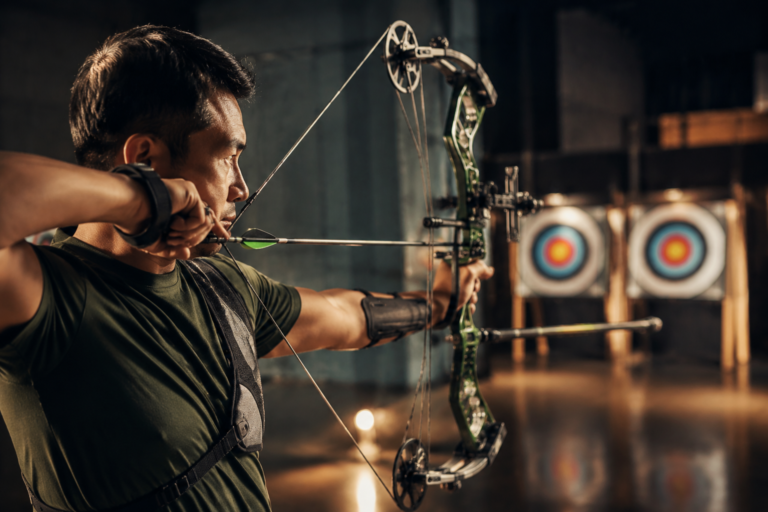
No - leaving a compound bow drawn for more than 30-60 seconds causes muscle fatigue, accuracy loss, and unnecessary stress on the limbs and cables.
 ByTravis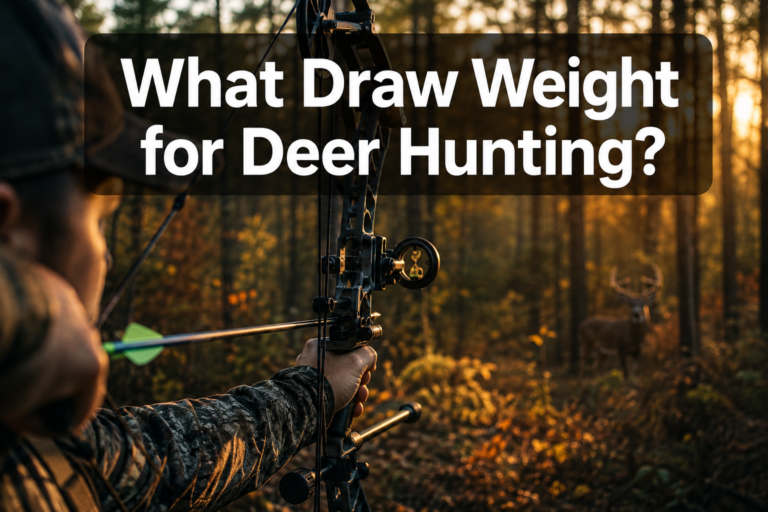
Learn the ideal draw weight for deer hunting. Expert guide covers minimum requirements, compound vs recurve, beginner tips, and common mistakes to avoid.
ByTravis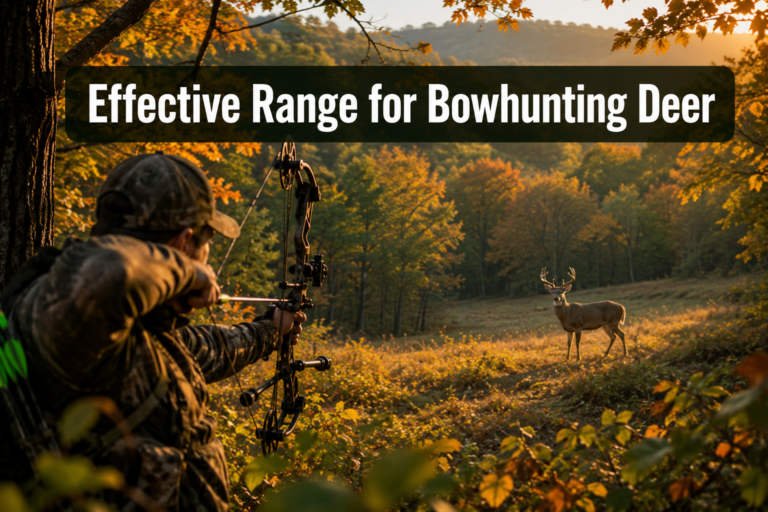
Most ethical bowhunters limit shots on deer to 30-40 yards, even though modern equipment can shoot much farther - effective range comes down to skill, gear, and conditions, not just distance.
ByTravis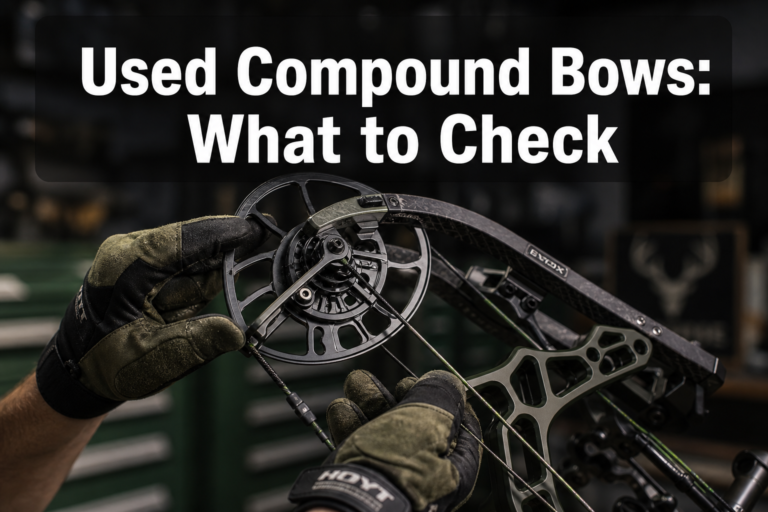
Before buying a used compound bow, check the limbs for cracks, inspect cam timing and cable wear, confirm draw weight and length fit, and test-shoot it if you can.
ByTravis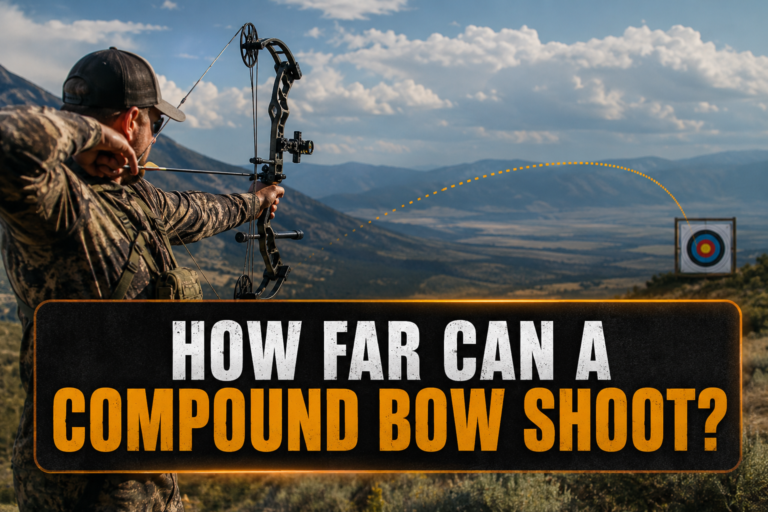
A compound bow can send an arrow over 300 yards, but the effective range for accurate shooting is far shorter - typically 30-60 yards for hunting and up to 100 yards for skilled target archers.
ByTravis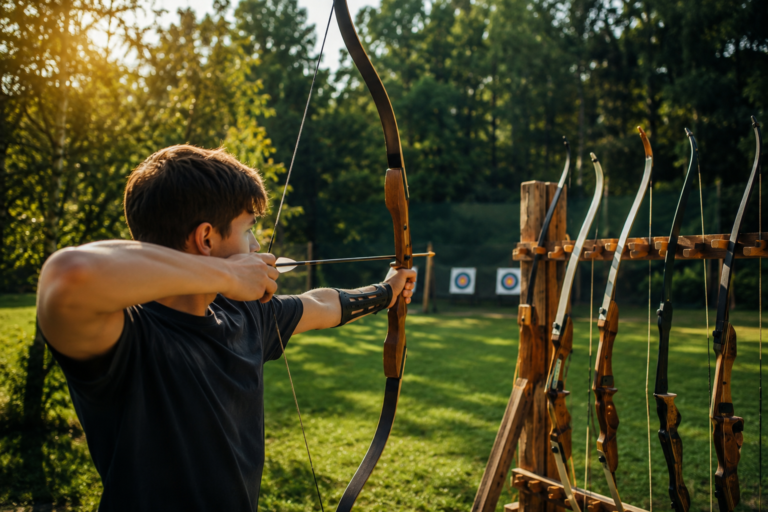
Most adult beginners should start with 15-25 lb draw weight on a recurve or 20-30 lb on a compound bow, so they can build smooth form before adding power.
ByTravis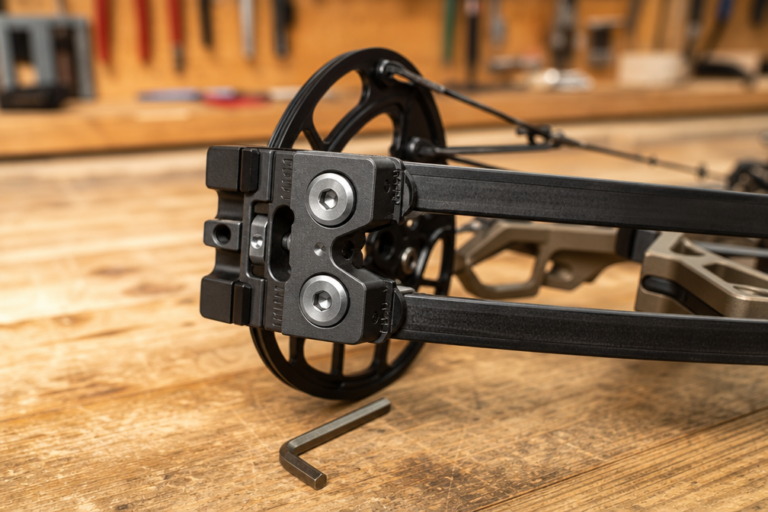
Learn to adjust compound bow draw weight safely at home using limb bolts, with the tools needed, turn limits, and retuning tips you need to know.
ByTravis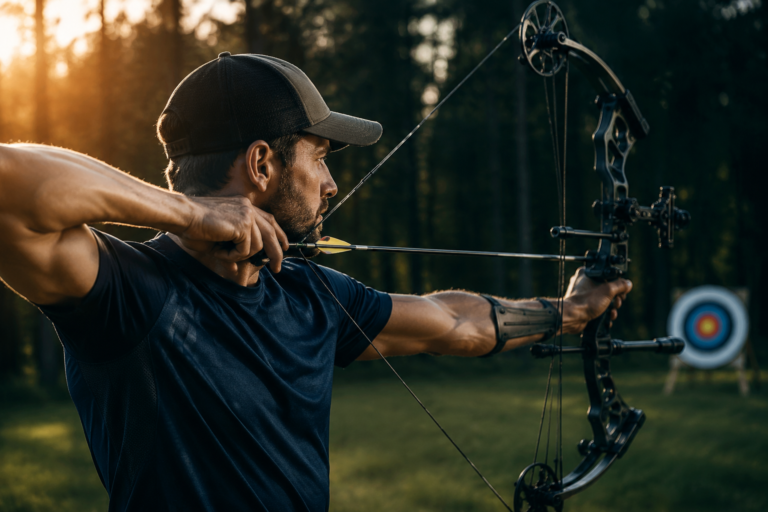
Drawing smoothly comes down to proper alignment, using your back and shoulder muscles rather than arm strength, and a fluid, unhurried motion from grip to full draw.
ByTravis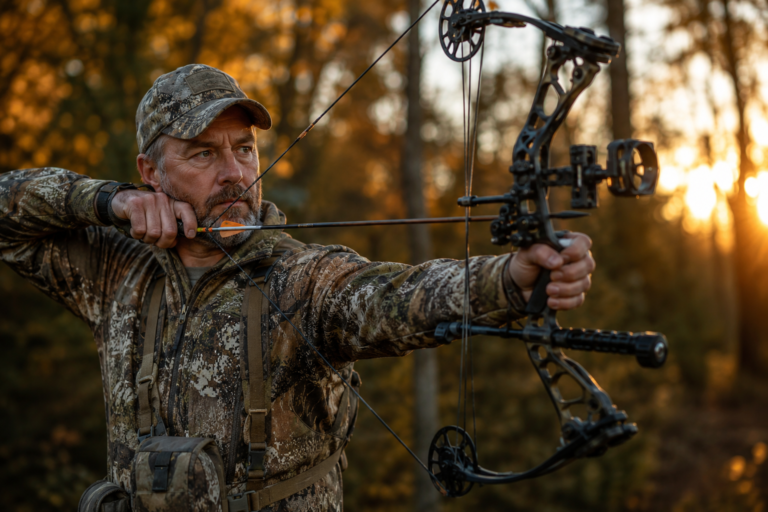
Hunters over 50 usually perform better with 40-55 lb draw weights rather than the 60-70 lb they used in their younger years - modern compound bows deliver plenty of energy at lower weights.
ByTravis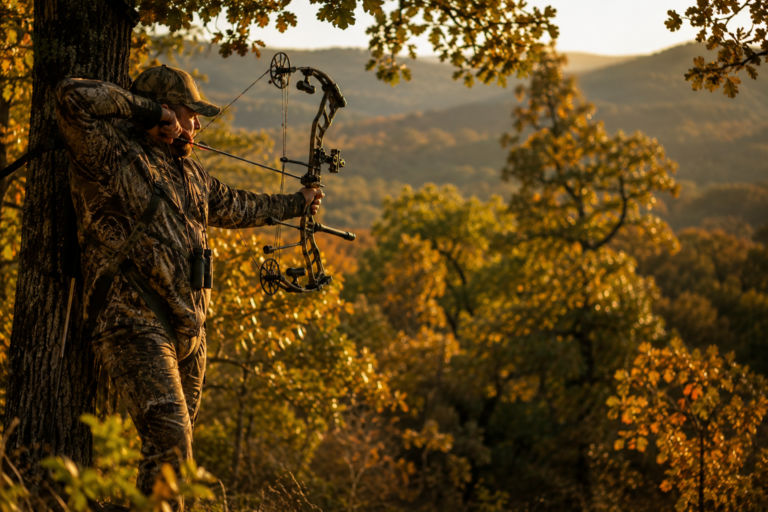
Bowhunting for beginners means choosing the right bow, gearing up properly, completing required education courses, and dedicating 3-6 months to build accurate shooting skills before pursuing live game.
ByTravis