
Newsletter Subscribe
Enter your email address below and subscribe to our newsletter
All voices matter
All voices matter

 ByTravis
Learn to adjust compound bow draw weight safely at home using limb bolts, with the tools needed, turn limits, and retuning tips you need to know.
Affiliate Disclaimer: We are a participant in the Amazon Services LLC Associates Program, an affiliate advertising program designed to provide a means for sites to earn advertising fees by advertising and linking to Amazon.com. As an Amazon Associate I earn from qualifying purchases. We also participate in other affiliate programs.

Adjusting draw weight on a compound bow involves turning the limb bolts clockwise to increase weight or counterclockwise to decrease it, typically using an Allen wrench. Most compound bows allow 10-15 pounds of adjustment range without requiring a bow press, and each full turn of the limb bolts changes draw weight by approximately 2-4 pounds. Always turn both limb bolts equally (counting turns carefully) and never back them out more than the manufacturer’s specified maximum to avoid limb damage.
Draw weight is the amount of force required to pull a bow back to full draw, measured in pounds. On a compound bow, this measurement refers to the peak weight you pull at the beginning of the draw cycle before the cams rotate and the let-off reduces holding weight. For example, a 60-pound compound bow requires 60 pounds of force at peak draw, but thanks to the cam system’s let-off (typically 65-80%), you only hold 12-20 pounds at full draw.
Draw weight directly affects arrow speed, kinetic energy, and penetration power. Higher draw weights launch arrows faster and hit harder, which matters for hunting larger game. However, more weight also demands greater physical strength and can compromise accuracy if you struggle to control the bow.
Key factors influenced by draw weight:
Understanding your bow’s adjustable draw weight range helps you optimize performance without exceeding your physical capabilities.
Choose a draw weight you can comfortably draw 20-30 times in a practice session without fatigue or form breakdown. For most adult beginners, this means starting at 40-50 pounds for men and 30-40 pounds for women, regardless of body size. Physical fitness, upper body strength, and shooting experience matter more than height or weight when selecting appropriate draw weight.
General draw weight recommendations by purpose:
Choose lower draw weight if you experience shoulder pain, cannot hold steady at full draw for 5-8 seconds, or notice your form deteriorating after a few shots. You can always increase weight as your strength improves. Starting too heavy creates bad habits that take months to correct and increases injury risk.
For detailed guidance on starting points, review what draw weight beginners should start with.
You can safely adjust draw weight yourself on nearly all modern compound bows without visiting a bow shop or using a bow press. The adjustment process requires only basic tools and takes 5-10 minutes. Limb bolt adjustment (the standard method for changing draw weight) does not require disassembling the bow or relieving string tension.
When you can adjust at home:
When to visit a bow shop:
Most archers successfully handle routine draw weight adjustments at home. However, having a bow shop verify your work after your first adjustment builds confidence and ensures you haven’t made errors.

The only essential tool for adjusting draw weight is an Allen wrench (hex key) that fits your bow’s limb bolts, typically 3/16-inch or 1/4-inch. Most compound bows use one of these two standard sizes, though some manufacturers include proprietary sizes. A bow scale for measuring actual draw weight helps verify your adjustments but is not required for the mechanical process.
Complete tool list for draw weight adjustment:
Before starting, identify which size Allen wrench fits your limb bolts by testing each size. The correct wrench should fit snugly without wiggling. Using the wrong size rounds off bolt heads and creates expensive repair problems.
Mark your starting position by placing a piece of tape on the limb near each bolt or drawing a reference line. This lets you track exactly how many turns you’ve made and return to the original setting if needed.
Turn both limb bolts clockwise (tightening direction) equally to increase draw weight, making the same number of rotations on the top and bottom limbs. Start by turning each bolt one full turn, then test the draw weight. Continue making equal adjustments in half-turn increments until you reach your target weight.
Step-by-step process:
Each full turn typically changes draw weight by 2-4 pounds depending on your bow model. Smaller bows and shorter axle-to-axle models tend to change more per turn, while longer target bows change less.
Common mistake to avoid: Never adjust only one limb bolt. Unequal limb bolt positions create tiller problems, causing the bow to shoot inconsistently and potentially damaging the cam timing system.
Always turn both bolts the same amount, even if it means making multiple small adjustments to dial in your exact target weight. This maintains proper limb balance and cam synchronization.
Most compound bows allow 4-5 full turns out from the fully bottomed position before risking limb damage, but you must verify your specific bow’s maximum in the owner’s manual. Backing out limb bolts beyond the manufacturer’s specification can cause limb separation from the riser, catastrophic limb failure, or dangerous string breakage.
The safe adjustment range translates to approximately 8-20 pounds of draw weight change depending on your bow model. High-performance hunting bows typically offer 10-15 pounds of adjustment, while beginner and youth bows may offer 15-20 pounds or more.
How to find your safe limit:
Warning signs you’ve gone too far:
If you need more draw weight reduction than your limb bolts allow, you must purchase lighter limbs for your bow. Exceeding the safe adjustment range to achieve lower weight risks serious injury from limb failure.
Compound bows adjust draw weight by turning limb bolts that compress or decompress the limbs within a fixed range, while recurve bows require physically replacing the limbs with different-weight limbs to change draw weight. This fundamental difference makes compound bow adjustment a 10-minute home project versus a parts-replacement process for recurve bows.
Compound bow adjustment:
Recurve bow adjustment:
Some modern recurve bows (particularly takedown models) offer interchangeable limbs that make weight changes easier, but you still must buy and swap complete limb sets. Compound bows’ built-in adjustability is one of their primary advantages for archers who want flexibility without buying multiple sets of limbs.
The mechanical advantage of compound bow cams also means the actual draw weight you feel changes throughout the draw cycle, unlike recurve bows where weight increases linearly to peak at full draw. This makes drawing a compound bow smoothly a different skill than drawing a recurve.
Small draw weight changes (2-5 pounds) typically have minimal impact on accuracy for the same archer, but larger adjustments (10+ pounds) will change arrow flight, point of impact, and may require retuning. The bow’s mechanical accuracy remains the same, but your shooting form, anchor point consistency, and release execution often change when draw weight increases or decreases significantly.
How draw weight changes affect accuracy:
After adjusting draw weight by more than 5 pounds, expect to spend a practice session re-establishing your groups and adjusting your sight pins. Your arrows will hit higher (if you increased weight) or lower (if you decreased weight) than before at all distances.
Best practice: Make draw weight changes during the off-season or at the beginning of a practice cycle, not right before a competition or hunting season. Give yourself 2-3 weeks to adapt to the new weight and retune your setup.
For most archers, accuracy improves when dropping to a comfortable draw weight because better form and steadier holding outweigh the minor trajectory differences from reduced arrow speed.
Bottoming out the limb bolts (turning them fully clockwise until they stop) sets your bow to its maximum rated draw weight and is perfectly safe. This is the factory-intended peak weight position. However, backing the bolts out beyond the manufacturer’s maximum turns (usually 4-5 rotations from bottomed) risks limb separation, catastrophic failure, and serious injury.
When limb bolts are fully tightened (maxed in):
When limb bolts are backed out too far (maxed out):
Most manufacturers design limb bolts to bottom out at the maximum safe compression point, making it impossible to over-tighten and damage limbs by turning them in too far. The danger zone exists only when backing bolts out beyond specifications.
If you’ve reached the minimum draw weight your limb bolts allow and still need less weight, you must purchase lighter limbs. Never exceed the maximum number of turns out specified in your owner’s manual, even if the bolts physically turn further.
Your draw weight is too heavy if you cannot smoothly draw the bow 20-30 times without fatigue, if you shake or struggle to hold steady at full draw, or if your shooting form deteriorates after a few shots. Physical signs include shoulder pain, inability to reach your anchor point consistently, and “punching” the release trigger instead of executing a smooth release.
Clear indicators of excessive draw weight:
The 20-shot test: If you cannot complete 20 consecutive shots while maintaining good form and consistent groups, your draw weight is too high for practice purposes. You may be able to draw the bow once or twice, but sustainable shooting requires a weight you can handle repeatedly.
Reduce draw weight by 5-10 pounds if you experience any of these symptoms. Shooting a lighter bow with perfect form produces better accuracy and more ethical hunting shots than struggling with excessive weight. Many successful bowhunters use 45-55 pounds effectively on large game, proving that perfect shot placement matters more than raw kinetic energy.
You should retune your bow after draw weight changes of 5 pounds or more, as the increased or decreased energy affects arrow spine dynamics, cam timing, and nocking point position. Small adjustments (2-3 pounds) rarely require retuning, but checking paper tune and verifying sight settings takes only 15 minutes and ensures optimal accuracy.
What to check after draw weight adjustment:
Increasing draw weight makes arrows act stiffer (effectively increasing spine), while decreasing weight makes them act weaker. If you change weight by 10+ pounds, your current arrows may no longer be properly spined, causing erratic flight and poor groups.
Quick retuning process:
For detailed tuning guidance, see our bow tuning resources. Most archers can complete basic retuning at home, but a bow shop can verify your work if you’re uncertain.
The most common mistake is adjusting limb bolts unequally, which creates tiller problems and ruins cam timing. Always count turns carefully and make identical adjustments to both top and bottom limbs. Other frequent errors include exceeding the manufacturer’s maximum adjustment range, using the wrong size Allen wrench that strips bolt heads, and failing to verify actual draw weight with a scale.
Critical mistakes to avoid:
The “one limb only” mistake: Some archers mistakenly believe they can fine-tune tiller by adjusting only one limb bolt. While this technically changes tiller, it also disrupts cam timing on most modern bows and creates more problems than it solves. Proper tiller adjustment requires equal limb bolt positions with tiller tuning done through limb pocket shims or professional limb work.
The “no measurement” mistake: Adjusting by feel alone without using a bow scale leads to overshooting your target weight. A $30 bow scale eliminates guesswork and helps you track exactly how much each turn changes your specific bow’s draw weight.
Always make adjustments in small increments (one turn at a time), test between changes, and document what you’ve done. Taking photos of bolt positions before starting gives you a visual reference if you need to reverse your changes.
Adjusting draw weight within the manufacturer’s specified range cannot damage your bow limbs. However, backing out limb bolts beyond the maximum number of turns specified in your owner’s manual can cause limb separation from the riser, limb cracking, or catastrophic failure during draw. Over-tightening by bottoming out the bolts is safe and represents the bow’s designed maximum weight position.
Safe adjustment practices:
Damage risk factors:
Modern compound bow limbs are engineered to handle the full adjustment range safely. The limb bolts themselves serve as the safety mechanism by limiting how far you can compress or decompress the limbs. As long as you respect the maximum turns-out specification, you cannot damage limbs through normal draw weight adjustment.
If you notice any cracks, splinters, or delamination in your limbs after adjustment, stop shooting immediately and have a professional inspect the bow. These signs indicate either manufacturing defects or that the bow was adjusted beyond safe limits at some point.
Check your bow’s draw weight every 2-3 months during active shooting seasons, as limb bolts can settle or loosen slightly over time, especially on new bows. Verify draw weight before hunting season starts, after any period of storage longer than a month, and whenever you notice changes in arrow flight or shooting feel.
When to check draw weight:
When to adjust draw weight:
Most archers find their optimal draw weight within the first season and make only minor adjustments afterward. However, life changes like aging, injury, or extended breaks from shooting may require revisiting your draw weight choice.
Keep a simple log noting your draw weight, limb bolt positions (number of turns from bottomed), and the date. This helps you track changes over time and quickly return to known-good settings if you experiment with adjustments.
For hunters, verify your draw weight meets state-specific minimum requirements well before season opens, giving yourself time to adjust and practice if needed.
Can I adjust draw weight on any compound bow?
Nearly all modern compound bows manufactured after 1990 feature adjustable draw weight through limb bolts, typically offering 10-15 pounds of range. Very old bows and some specialty models may require limb replacement to change weight, but these are rare exceptions.
How much does each turn of the limb bolt change draw weight?
Each full turn of the limb bolts typically changes draw weight by 2-4 pounds, though this varies by bow model. Shorter axle-to-axle bows tend to change more per turn, while longer target bows change less. Test your specific bow to determine its rate of change.
Do I need to adjust both limb bolts the same amount?
Yes, always turn both top and bottom limb bolts equally, counting each rotation carefully. Unequal adjustments create tiller imbalance and disrupt cam timing, causing accuracy problems and potential equipment damage.
Will changing draw weight affect my arrow selection?
Draw weight changes of 10+ pounds may require different arrow spine. Increasing weight needs stiffer arrows, while decreasing weight needs more flexible arrows. Changes under 5 pounds rarely require arrow replacement.
Can I adjust draw weight with the bow strung?
Yes, limb bolt adjustment is performed with the bow fully strung and under tension. You do not need a bow press for standard draw weight adjustments within the limb bolt range.
How do I know my bow’s maximum safe adjustment range?
Check your owner’s manual for the specific maximum number of turns allowed from the fully bottomed position, typically 4-5 full rotations. If you lack documentation, contact the manufacturer or visit a bow shop for verification.
Should I adjust draw weight before or after setting up my bow?
Set your desired draw weight before final bow tuning, sight installation, and arrow selection. Draw weight affects all other setup parameters, so establish it first to avoid retuning multiple times.
Can temperature affect my bow’s draw weight?
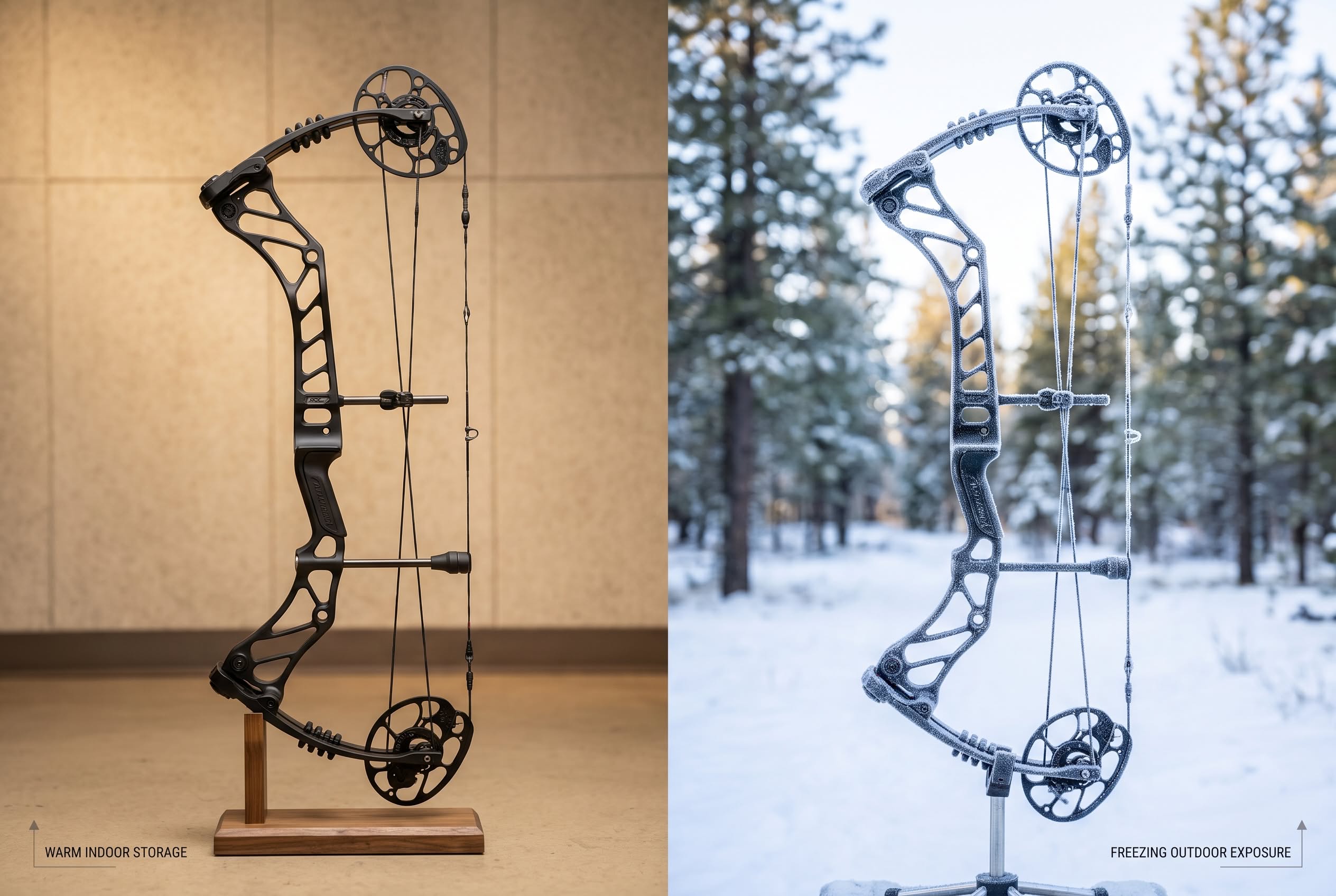
Temperature changes affect limb stiffness slightly, but the effect is minimal (typically less than 1-2 pounds across extreme temperature ranges). Limb bolts may loosen or tighten slightly with temperature cycling, so check periodically.
What’s the difference between peak draw weight and holding weight?
Peak draw weight is the maximum force required during the draw cycle, while holding weight is the reduced force at full draw after let-off. A 60-pound bow with 75% let-off requires 60 pounds at peak but only 15 pounds to hold at full draw.
How long does it take to adjust draw weight on a compound bow?
The physical adjustment takes 5-10 minutes. However, testing the new weight, verifying with a scale, and making fine-tuning adjustments may take 20-30 minutes total for a complete, careful adjustment.
Will adjusting draw weight void my bow warranty?
No, adjusting draw weight within the manufacturer’s specified range is normal maintenance and does not void warranties. However, exceeding maximum adjustment limits or causing damage through improper adjustment will void coverage.
Can I increase draw weight beyond my bow’s rated maximum?
No, you cannot exceed the bow’s rated peak draw weight by tightening limb bolts beyond the fully bottomed position. The bolts stop at the designed maximum. To get higher draw weight, you must purchase heavier limbs or a different bow.
Learning how to adjust draw weight on a compound bow empowers you to optimize your setup for changing strength levels, different shooting purposes, and evolving skills without professional help. The process requires only basic tools, careful attention to equal adjustments on both limbs, and respect for your bow’s maximum adjustment range. Most archers successfully handle these adjustments at home, saving time and money while gaining deeper understanding of their equipment.
Start by locating your bow’s owner’s manual to verify the maximum safe adjustment range, then gather an Allen wrench set and optionally a bow scale. Mark your starting limb bolt positions, make equal adjustments to both limbs in small increments, and test between changes. Remember that each full turn typically changes weight by 2-4 pounds, and most bows allow 4-5 turns out from the fully bottomed position.
Choose a draw weight you can handle comfortably for 20-30 shots without form breakdown, even if that means starting lighter than you initially planned. Perfect form with a 45-pound bow produces better results than struggling with 60 pounds. As your strength and technique improve, you can gradually increase weight within your bow’s adjustment range.
After significant draw weight changes, plan to spend a practice session retuning your bow and adjusting sight settings. The investment of 30-60 minutes ensures your equipment performs optimally at the new weight. Check your draw weight every few months during active shooting seasons, as limb bolts can settle over time.
Take action today by locating your bow’s specifications, testing your current draw weight with a scale if available, and making adjustments if needed. Your accuracy, enjoyment, and long-term shooting success depend on finding the right balance between power and control.


