
Newsletter Subscribe
Enter your email address below and subscribe to our newsletter
All voices matter
All voices matter
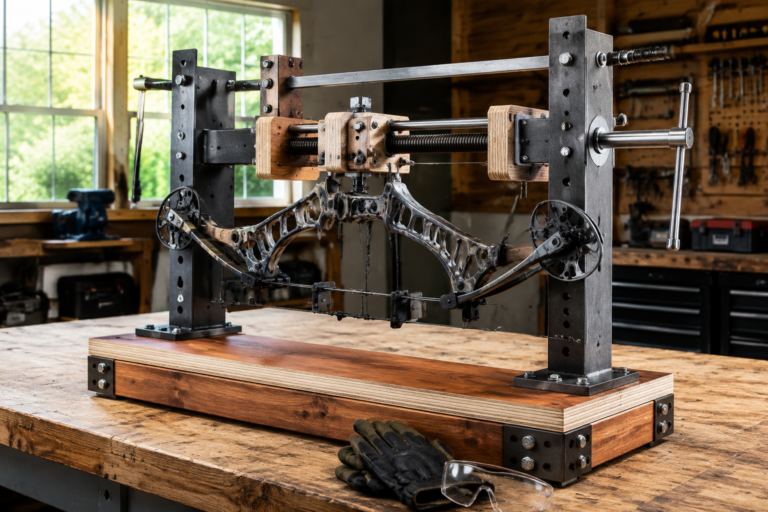
A DIY bow press can save money, but it's only safe when built from welded steel tubing rated for at least 200 pounds of force and used within its design limits.
 ByTravis
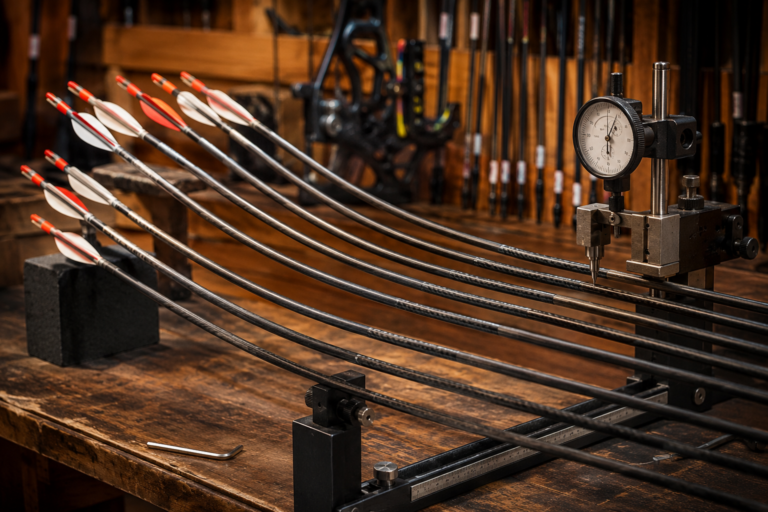
Arrow spine is a shaft's stiffness rating - matching it to your draw weight, draw length, and point weight matters, since the wrong spine causes erratic flight.
ByTravis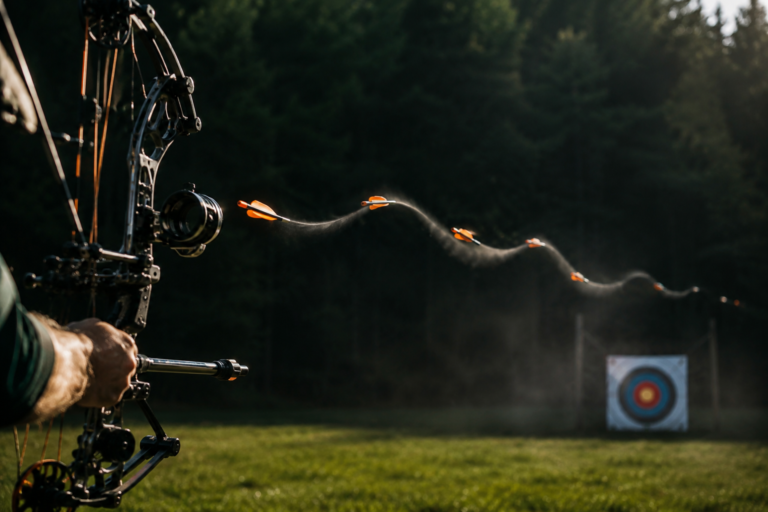
Porpoising is when arrows fly in an up-and-down wave instead of straight - almost always caused by nocking point height, rest position, or a spine mismatch.
ByTravis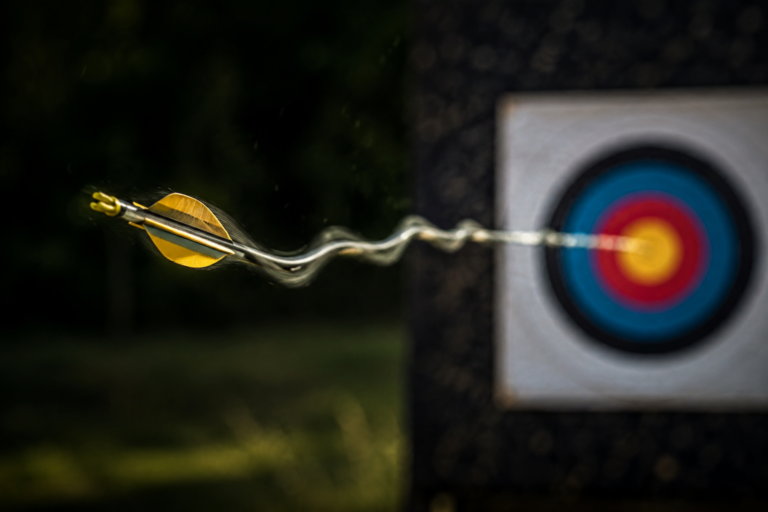
Fishtailing is when arrows wobble side-to-side in flight, usually caused by incorrect arrow spine, a poorly set rest, or nocking point issues.
ByTravis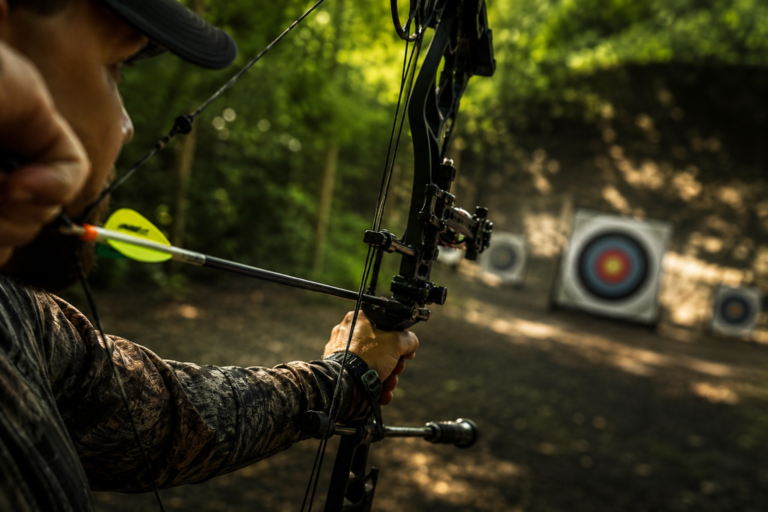
A bow shooting consistently left or right usually comes down to shooter form, equipment problems, or tuning errors - here's how to diagnose which one is causing yours.
ByTravis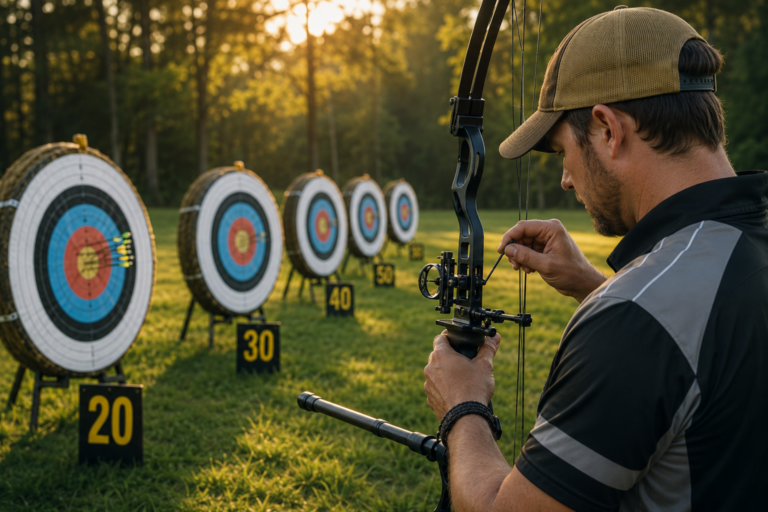
Walk-back tuning has you shoot from progressively longer distances to spot and correct horizontal arrow drift caused by sight or rest misalignment.
ByTravis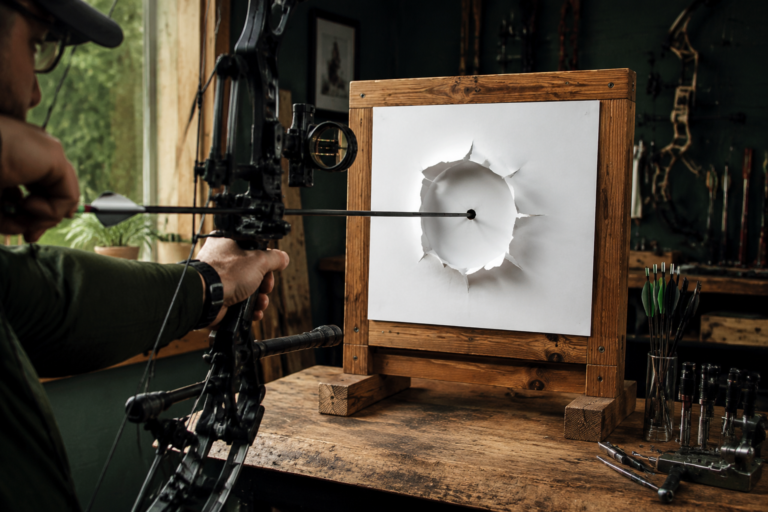
Learn how to paper tune a bow with step-by-step instructions, troubleshooting tips, and expert advice for perfect arrow flight and hunting accuracy.
ByTravis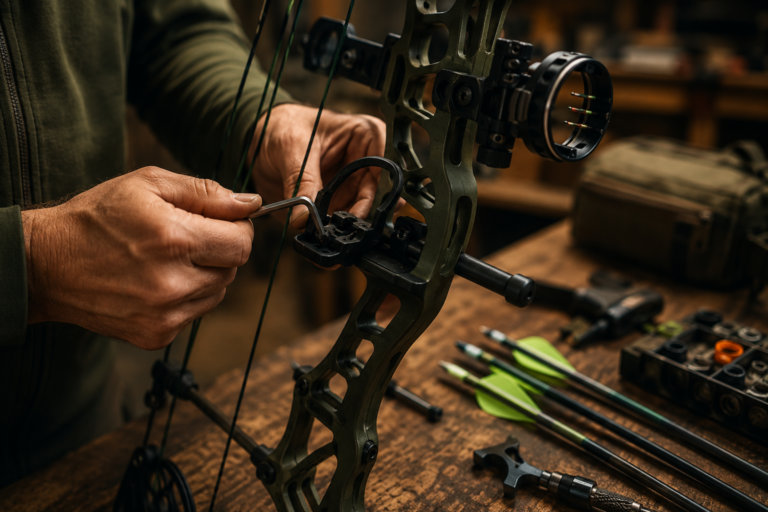
Bow tuning is the process of adjusting your bow's components - rest position, nocking point, cam timing, centershot - so arrows fly straight and consistently.
ByTravis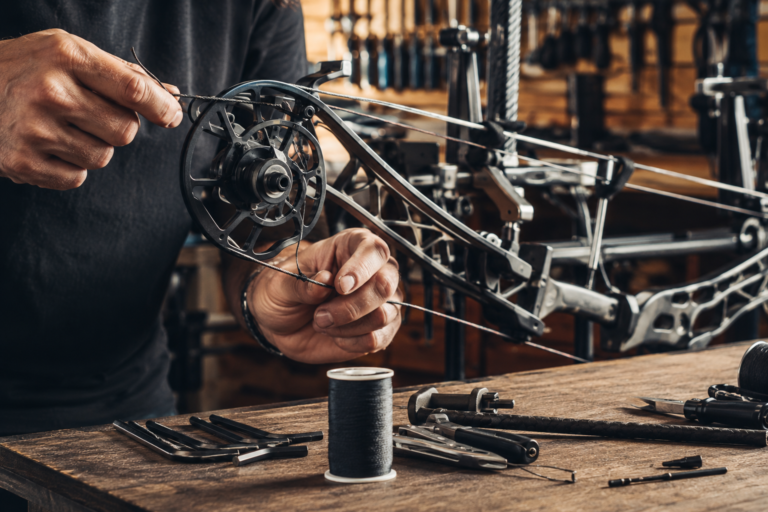
Yes - you can restring a compound bow yourself with the right tools (mainly a bow press), proper safety procedures, and some patience.
ByTravis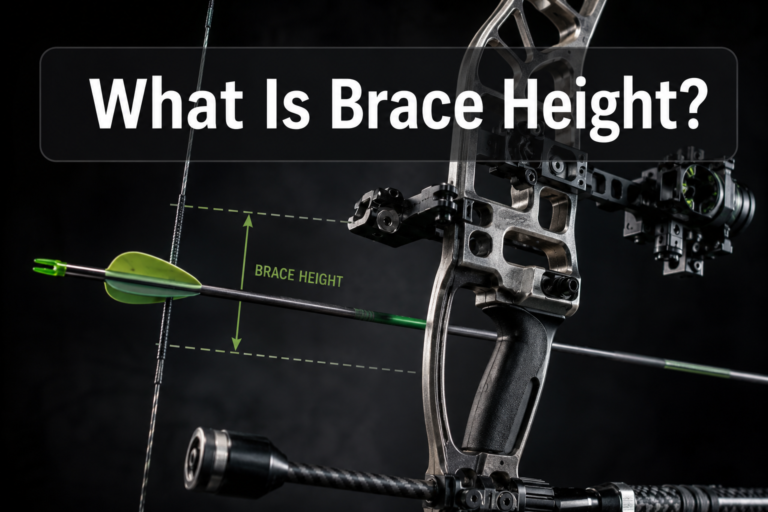
Brace height is the distance from the bow's grip to the string at rest - shorter brace heights mean faster arrows but demand better form, while longer ones are more forgiving.
ByTravis