
Newsletter Subscribe
Enter your email address below and subscribe to our newsletter
All voices matter
All voices matter
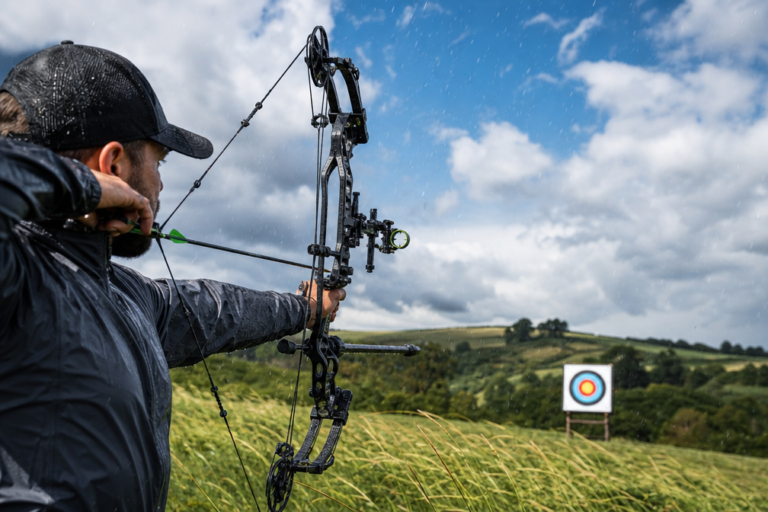
Weather changes how arrows fly by altering air density and creating wind drift - wind is the biggest factor, capable of pushing arrows several inches off target past 40 yards.
 ByTravis

Aluminum arrows offer straightness, durability, and lower cost, while carbon arrows deliver more speed, lighter weight, and better penetration for hunting.
ByTravis
Yes - arrows lighter than your bow's minimum weight spec can damage limbs, cams, and strings, void your warranty, and create a real safety hazard.
ByTravis
FOC (Front of Center) measures how much of an arrow's weight sits in the front half - higher FOC improves penetration and flight stability for hunting big game.
ByTravis
Arrow spine is a shaft's stiffness rating - matching it to your draw weight, draw length, and point weight matters, since the wrong spine causes erratic flight.
ByTravis
Not exactly - broadheads create more wind resistance and can expose tuning issues that field points mask, but proper bow tuning minimizes the difference.
ByTravis
Learn essential techniques for safe broadhead practice including proper targets, safety gear, legal considerations, and expert tips for bowhunters.
ByTravis
Learn how to fletch your own arrows with this step-by-step guide covering supplies, techniques, costs, and troubleshooting for perfect arrow fletching.
ByTravis
Installing an arrow rest means mounting it to the riser's threaded hole, aligning it to your arrow's height and center-shot position, and securing it - about 15-30 minutes with an Allen wrench.
ByTravis