
Newsletter Subscribe
Enter your email address below and subscribe to our newsletter
All voices matter
All voices matter
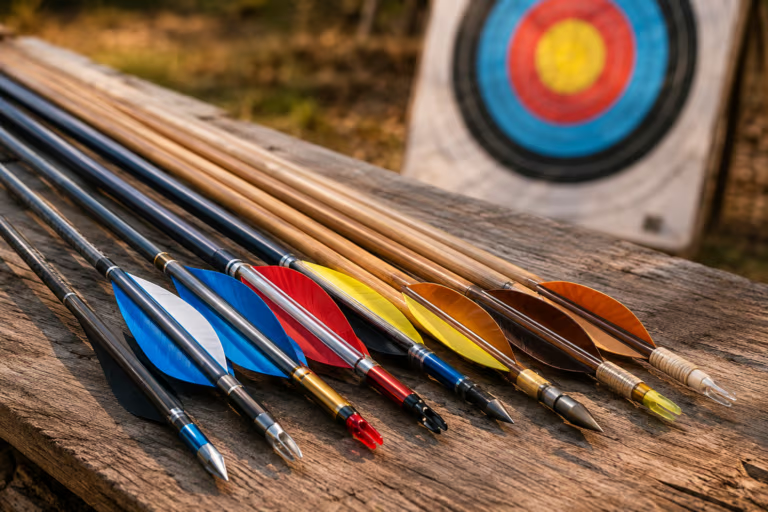
Most archers need 6-12 arrows to start - enough for practice sessions, with hunters typically carrying 3-6 in the field and competitive archers owning a dozen or more.
 ByTravis

Fishtailing is when arrows wobble side-to-side in flight, usually caused by incorrect arrow spine, a poorly set rest, or nocking point issues.
ByTravis
Brace height is the distance from the bow's grip to the string at rest - shorter brace heights mean faster arrows but demand better form, while longer ones are more forgiving.
ByTravis
Cheap compound bows under are a solid choice for beginners, casual shooters, and youth archers, though they come with trade-offs in build quality and adjustability.
ByTravis
Getting started in archery typically costs - for beginners, depending on whether you choose a recurve or compound setup and buy new or used gear.
ByTravis
Installing an arrow rest means mounting it to the riser's threaded hole, aligning it to your arrow's height and center-shot position, and securing it - about 15-30 minutes with an Allen wrench.
ByTravis
A D-loop is a small braided-cord loop tied to your bowstring that gives your release aid a consistent attachment point - here's how to tie one properly.
ByTravis
Learn to adjust compound bow draw weight safely at home using limb bolts, with the tools needed, turn limits, and retuning tips you need to know.
ByTravis
Learn how to set up a compound bow from the box with this step-by-step guide covering tools, arrow rest installation, draw weight adjustment, and tuning.
ByTravis
Follow-through means holding your form for 2-3 seconds after release - keeping the bow arm extended and release hand anchored while you watch the arrow hit.
ByTravis