Newsletter Subscribe
Enter your email address below and subscribe to our newsletter
All voices matter
All voices matter
 ByTravis
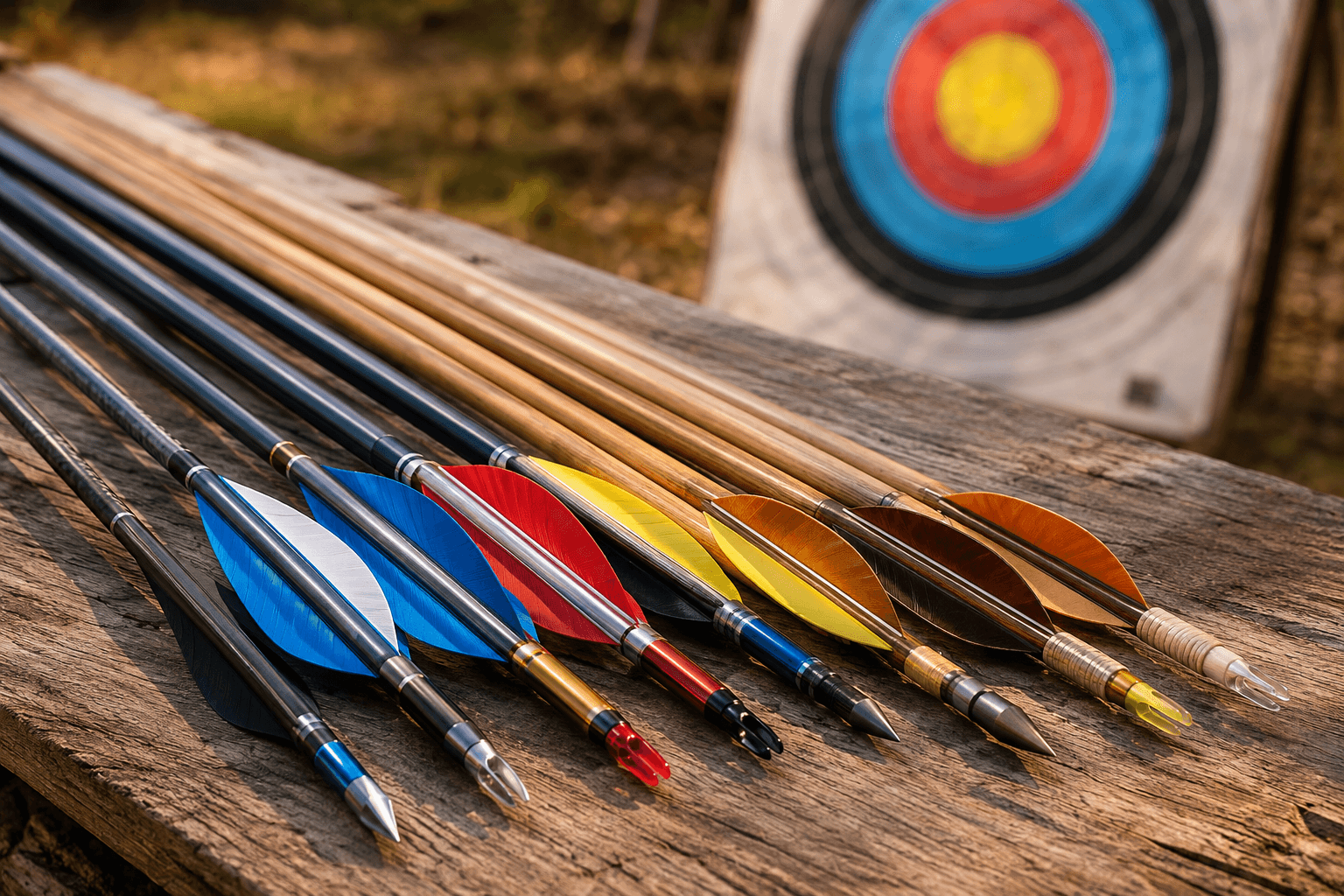
Most archers need 6-12 arrows to start - enough for practice sessions, with hunters typically carrying 3-6 in the field and competitive archers owning a dozen or more.
Affiliate Disclaimer: We are a participant in the Amazon Services LLC Associates Program, an affiliate advertising program designed to provide a means for sites to earn advertising fees by advertising and linking to Amazon.com. As an Amazon Associate I earn from qualifying purchases. We also participate in other affiliate programs.

Most archers need between 6 and 12 arrows to start, with the exact number depending on whether you’re practicing target archery, hunting, or competing. Six arrows provide enough volume for effective practice sessions while keeping costs manageable, whereas hunters typically carry 3-6 arrows in the field, and competitive target archers often own 12 or more matched arrows to ensure consistency and have backups available.
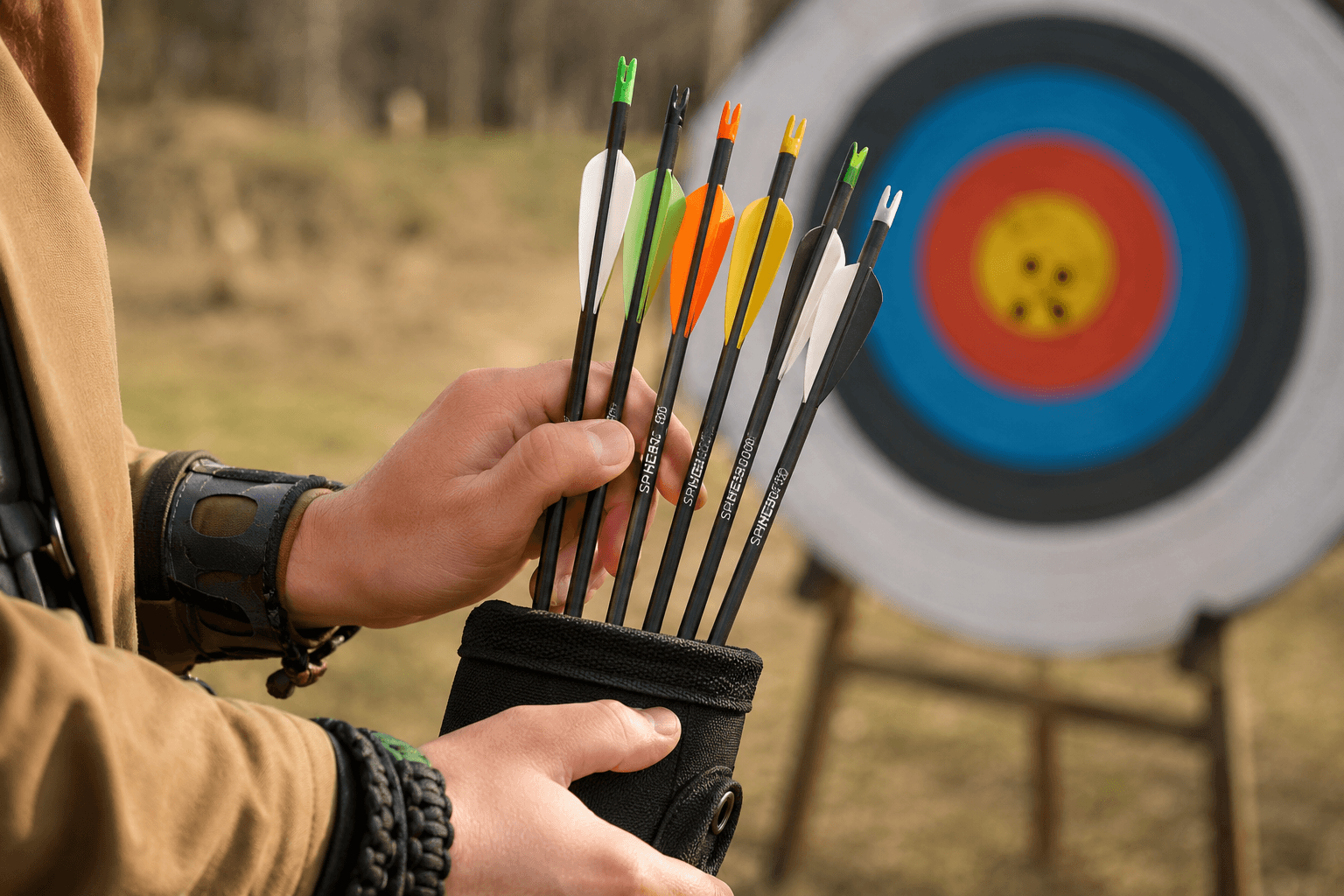
A beginner archer should start with 6 arrows as the ideal starting quantity. This number provides enough arrows for productive practice sessions without overwhelming new shooters or breaking the budget. Six arrows allow you to shoot two complete ends (rounds) of three arrows each, which is the standard format at most archery ranges and clubs.
Starting with six arrows offers several practical advantages:
Choose 6 arrows if you’re just starting out, learning basic form, or shooting at a club range where you can retrieve arrows frequently. Choose 12 arrows if you have the budget and want to minimize walking during practice sessions, or if you’re progressing quickly and plan to compete within a few months.
A common mistake beginners make is buying 12 cheap, mismatched arrows instead of 6 quality arrows properly spined for their bow. Inconsistent arrows make it nearly impossible to determine whether poor groups result from your technique or equipment, slowing your progress significantly.
The absolute minimum for effective target practice is 3 arrows, though 6 arrows is more practical for most archers. Three arrows represent one standard “end” in target archery and allow you to practice basic shooting form, but you’ll spend more time walking to retrieve arrows than actually shooting.
Here’s how different quantities affect your practice:
3 arrows:
6 arrows:
12 arrows:
Choose fewer arrows (3-4) if you’re working on specific form corrections and want maximum focus on each shot. Choose more arrows (12+) if you’re training for competition, have limited range time, or want to maximize shooting volume during each session.
The key factor isn’t just quantity but consistency. Three perfectly matched arrows will improve your shooting faster than twelve arrows with varying spine, weight, or straightness tolerances.
Hunting and target shooting have dramatically different arrow requirements. Target archers typically need 6-12 arrows for practice and competition, while bowhunters carry only 3-6 arrows in the field but should own 12+ for practice.
Target archers shoot high volumes during practice sessions and competitions:
Bowhunters face different constraints in the field:
Key differences:
| Aspect | Target Shooting | Hunting |
|---|---|---|
| Arrows carried | 6-12 | 3-6 |
| Total arrows owned | 12-18 | 12-24 |
| Arrow points | Field points | Broadheads + field points |
| Replacement frequency | Seasonal | Annual or more |
| Cost per arrow | $8-15 | $12-25 |
Choose target-specific quantities if you’re focused on recreational shooting, competing in tournaments, or practicing at ranges. Choose hunting quantities if you’re preparing for bow season, need arrows that perform identically with broadheads, or hunt in terrain where arrow retrieval is difficult.
Hunters should own more practice arrows than they carry because broadhead-tipped arrows are expensive and shouldn’t be used for routine practice. Most hunters practice with field points and reserve broadhead-tipped arrows for final tuning and actual hunts.
Archers commonly carry 6 arrows because this quantity balances practice efficiency with practical considerations like cost, weight, and the standard three-arrow end format used in most archery disciplines. Six arrows allow two complete rounds before retrieval while keeping equipment manageable.
The preference for 6 arrows stems from several factors:
Competition standards: Most target archery formats shoot three arrows per end, making 6 arrows (two ends) a natural practice unit that mirrors competition conditions.
Weight and bulk: Twelve arrows in a quiver add significant weight and can interfere with shooting form, especially for recurve archers who wear back quivers. Six arrows keep equipment streamlined.
Cost efficiency: Quality arrows cost $8-25 each. Starting with 6 arrows ($48-150) is more accessible than 12 arrows ($96-300), especially when beginners may need to replace arrows as they learn proper form and arrow care.
Arrow management: Fewer arrows are easier to inspect, maintain, and track. With 6 arrows, you’re more likely to notice damage, check nock condition, and ensure all arrows remain properly matched.
Retrieval rhythm: Walking to retrieve arrows every two ends (6 arrows) provides natural breaks that help prevent fatigue and maintain focus, particularly important for beginners learning proper form.
Choose 6 arrows if you’re shooting recreationally, learning basics, or following standard club practice formats. Choose 12 arrows if you’re training intensively, competing regularly, or have limited range access that makes frequent retrieval impractical.
Professional and competitive archers often own 12-18 arrows total but typically shoot 6 at a time, keeping the remainder as matched backups in case of damage during competition.

A beginner set of 6 arrows typically costs $50-150, depending on arrow material, component quality, and whether they’re purchased as a complete set or built individually. Carbon arrows generally cost more than aluminum but offer better durability and performance for most new archers.
Aluminum arrows (6 arrows):
Carbon arrows (6 arrows):
Wood arrows (6 arrows):
Complete arrows include several components that affect total price:
Budget strategy: Start with 6 mid-range carbon arrows ($90-120) rather than 12 cheap arrows. Quality arrows matched to your bow’s specifications will improve faster than saving $30 on inferior arrows that fly inconsistently.
Common mistake: Buying the cheapest arrows available without checking spine (stiffness) compatibility with your bow’s draw weight. Improperly spined arrows won’t fly straight regardless of your shooting form, wasting money and frustrating your learning process.
For beginners unsure about specifications, purchasing from an archery pro shop that includes spine selection and arrow cutting in the price (typically $80-120 for 6 arrows) is worth the slight premium over online purchases.
Practicing with only 3 arrows is viable but inefficient for most archers, particularly beginners. While three arrows allow you to shoot one complete end and observe grouping patterns, the constant retrieval walks significantly reduce actual shooting time and can disrupt the rhythm needed to develop consistent form.
Increased focus: Shooting fewer arrows forces deliberate, mindful shooting. Each arrow receives more attention, which can benefit archers working on specific technique corrections.
Better arrow care: With only three arrows, you’re more likely to inspect each one carefully after every end, catching damage or wear early.
Reduced fatigue: For archers with physical limitations or those practicing high draw weights, fewer arrows per session can prevent overuse injuries while maintaining quality practice.
Excessive walking: You’ll spend 40-50% of practice time retrieving arrows instead of shooting, reducing total shot volume.
Disrupted rhythm: Constant breaks interrupt the flow state that helps ingrain proper form, particularly problematic for beginners still developing muscle memory.
Limited data: Three arrows provide minimal feedback about consistency. Six or more arrows reveal patterns more clearly, helping you distinguish technique issues from random variation.
Slower skill development: Reduced shot volume means slower progress, especially in the critical first 3-6 months when beginners need high repetition to establish fundamentals.
Choose 3-arrow practice if you’re an experienced archer working on specific form elements, have physical limitations requiring lower volume, or are practicing advanced techniques like gap shooting that demand maximum concentration per shot.
Avoid 3-arrow practice if you’re a beginner learning basic form, have limited range time, or are preparing for competition where shooting rhythm matters.
Most coaches recommend beginners start with 6 arrows minimum, then occasionally practice with 3 arrows once basic form is established to work on focus and shot execution.
The material choice between carbon and aluminum arrows doesn’t significantly change how many arrows you should buy (still 6-12 for most archers), but it does affect long-term cost, durability, and performance. Carbon arrows are the better choice for most beginners despite higher upfront costs because they last longer and perform more consistently across different conditions.
Recommended quantity: 6 arrows to start, expand to 12 for serious practice
Advantages:
Disadvantages:
Best for: Compound bow shooters, outdoor target archers, hunters, anyone shooting draw weights above 30 pounds
Recommended quantity: 6-12 arrows (buy more due to shorter lifespan)
Advantages:
Disadvantages:
Best for: Recurve bow shooters, indoor target archery, youth archers, very tight budgets
Carbon arrow strategy: Buy 6 quality carbon arrows initially ($90-150). Their durability means you’ll rarely need replacements, making them cost-effective long-term. Add 6 more once you’ve confirmed proper spine and are shooting consistently.
Aluminum arrow strategy: Buy 6-12 arrows upfront ($60-120) since you’ll likely need replacements sooner. The lower per-arrow cost makes buying extras more affordable, and having backups prevents practice interruptions when arrows bend.
Mixed approach: Some archers buy 6 carbon arrows for serious practice and competition, plus 6 cheaper aluminum arrows for casual shooting or lending to friends. This strategy works if you’re shooting multiple times weekly and want to preserve your best arrows.
Common mistake: Buying carbon arrows for a very low draw weight (under 25 pounds) where aluminum would perform identically at lower cost, or buying aluminum arrows for hunting where durability and penetration matter more than initial savings.
Professional archers typically own more arrows than amateurs (18-36 versus 6-12) but often shoot the same number per practice session (6-12 arrows). The difference lies in having multiple matched sets for different conditions, extensive backup inventory, and arrows dedicated to specific training purposes.
Elite competitive archers maintain:
Recreational and intermediate archers typically own:
Equipment redundancy: Tournament rules often prohibit equipment changes mid-competition. Professionals need identical backup arrows if one breaks during a critical round.
Matched sets: Professionals shoot arrows matched to extremely tight tolerances (±0.001″ straightness, ±0.5 grain weight). Maintaining multiple matched sets requires larger inventory.
Training volume: Elite archers shoot 200-400 arrows daily during peak training. Having multiple sets allows some arrows to rest while others are in use, extending lifespan.
Condition-specific tuning: Different weather, distances, or competition formats may require slightly different arrow specifications. Professionals maintain separate sets rather than re-tuning constantly.
Sponsorship: Many professional archers receive arrows from sponsors, making larger inventories financially feasible.
Despite owning more arrows, professionals typically shoot 6-12 arrows per end during practice, the same as amateurs. The difference is frequency (professionals practice daily) and total volume (200-400 arrows per session versus 30-100 for amateurs).
Key insight: Owning more arrows doesn’t make you a better archer. Professionals own extensive inventories because their competitive and training demands require it, not because shooting more arrows simultaneously improves performance. For amateur archers, 6-12 well-maintained arrows are sufficient for years of skill development.
Bowhunters typically carry 4-6 arrows in the field, with most experienced hunters settling on 5 arrows as the optimal number. This quantity balances having adequate backup shots while keeping equipment light and quiet during stalking.
3 arrows: Minimalist approach
4-5 arrows: Most common choice
6+ arrows: Maximum preparation
Shot opportunity: Most bowhunts result in zero or one shot opportunity. Carrying 12 arrows for a single shot scenario adds unnecessary weight.
Retrieval difficulty: Unlike target archery, hunting arrows shot at game are often unrecoverable (pass-through shots, lost in terrain, blood-contaminated).
Stealth requirements: Fewer arrows mean quieter movement. Every arrow in a quiver is potential noise during critical stalking moments.
Broadhead protection: Hunting arrows tipped with razor-sharp broadheads require secure carry systems. More arrows increase risk of injury or equipment damage.
Weight considerations: Hunters carry substantial gear (tree stand, calls, optics, survival equipment). Every ounce matters during long hikes or climbs.
While hunters carry 4-6 arrows in the field, they should own 12-24 arrows total for practice:
Common mistake: Practicing exclusively with field points, then hunting with broadheads without verifying identical flight. Broadheads affect arrow flight differently; hunters need dedicated broadhead-tipped arrows for final tuning and should practice with them before season.
Choose 4 arrows if you’re hunting in steep terrain where weight matters, have high confidence in shot placement, or are hunting species where multiple shots are unlikely.
Choose 6 arrows if you’re hunting from a stationary blind, have tags for multiple animals, hunt in areas where equipment failure could end your hunt, or are a less experienced hunter building confidence.
Buy 6 good arrows rather than 12 cheap ones, especially as a beginner. Quality arrows properly matched to your bow will improve your shooting consistency faster than double the quantity of poorly matched arrows, and the cost difference is often minimal when factoring in replacements for broken cheap arrows.
Consistency matters more than volume: Archery skill develops through recognizing patterns in your shooting. Six arrows that fly identically let you distinguish technique errors from equipment variation. Twelve inconsistent arrows create confusion, you can’t tell if that flyer resulted from your form or a warped shaft.
Proper spine matching: Quality arrows come with precise spine (stiffness) ratings matched to your bow’s draw weight and length. Cheap arrows often have loose tolerances (±0.006″ straightness versus ±0.001″ for premium arrows), causing unpredictable flight even with perfect form.
Durability: Premium arrows withstand more impacts before failing. Carbon arrows in the $12-20 range typically last 2-5 years with proper care, while $5 arrows may crack or bend within months, ultimately costing more through replacements.
Component quality: Good arrows include better nocks (less likely to crack), superior fletching adhesion (vanes stay attached), and properly installed inserts (won’t pull out). Cheap arrows often have components that fail prematurely.
6 quality arrows: $90-150
12 cheap arrows: $60-100
The long-term cost difference is minimal, but the learning curve difference is substantial.
Buy 12 cheaper arrows if:
Buy 6 quality arrows if:
Decision rule: If you’re committed enough to archery to read articles about arrow quantity, you’re committed enough to benefit from quality arrows. Start with 6 good arrows, then add 6 more once you’ve confirmed proper spine and are shooting consistently.
Bring 6-12 backup arrows to a competition in addition to your primary shooting set of 6 arrows, giving you 12-18 arrows total. The exact number depends on competition format, duration, and your experience level, but having at least one complete backup set (6 arrows) is essential for any serious tournament.
Minimum setup (12 arrows total):
Recommended setup (18 arrows total):
Maximum setup (24+ arrows):
Arrow damage: Arrows can crack, splinter, or bend during competition from target impacts, drops, or collisions with other arrows (Robin Hood shots). Without backups, you’d be forced to shoot mismatched arrows or withdraw.
Equipment rules: Most competitions prohibit equipment changes between ends except for damaged equipment. You can’t borrow arrows or switch to different specifications mid-competition.
Mental confidence: Knowing you have backups reduces anxiety about arrow damage, letting you focus on shooting rather than worrying about equipment.
Matching requirements: Competition arrows must be identical in specifications (length, weight, spine, fletching). Your backups should come from the same batch as your primary arrows to ensure consistency.
Before competition:
During competition:
After each round:
Indoor tournaments (18-20 meters):
Outdoor tournaments (50-90 meters):
Multi-day championships:
Common mistake: Bringing backup arrows with slightly different specifications (different batch, older arrows, different spine). Backups must be functionally identical to primary arrows, or switching mid-competition will affect your scores.
For beginners entering their first competition, 12 arrows total (6 primary + 6 backup) is adequate. As you advance and compete more seriously, expand to 18 arrows to ensure you’re never caught without proper equipment.
The most common mistake when deciding how many arrows to buy is prioritizing quantity over quality, buying 12 cheap, mismatched arrows instead of 6 properly spined arrows matched to your bow’s specifications. This false economy slows skill development and often costs more long-term through replacements and frustration.
1. Buying arrows before knowing your bow specifications
Many beginners buy arrows before determining their actual draw length and draw weight, resulting in improperly spined arrows that won’t fly straight. Always establish your bow setup first, then select arrows matched to those specifications.
Fix: Get measured at an archery pro shop for draw length and draw weight, or check out guidance on proper draw weight for beginners before purchasing arrows.
2. Buying too many arrows initially
New archers often buy 12-24 arrows before confirming proper spine, then discover the arrows don’t match their bow. Now they’re stuck with expensive equipment they can’t use effectively.
Fix: Start with 6 arrows. Once you’ve confirmed they fly well and match your shooting style, expand to 12.
3. Mixing arrow specifications
Buying arrows from different manufacturers, batches, or specifications and expecting them to fly identically. Even small variations in spine, weight, or length create inconsistent groups.
Fix: Buy all arrows from the same manufacturer, model, and batch. Record the specifications so you can order identical arrows later.
4. Ignoring arrow spine charts
Choosing arrows based on price or appearance rather than consulting spine charts that match arrow stiffness to your bow’s draw weight and length.
Fix: Use manufacturer spine charts or consult with pro shop staff to select properly spined arrows. This is the single most important factor in arrow selection.
5. Buying hunting arrows for target practice (or vice versa)
Hunting arrows are built for penetration and durability with broadheads, while target arrows prioritize accuracy and consistency. Using the wrong type for your discipline wastes money.
Fix: Match arrow type to your primary discipline. If you both hunt and target shoot, own separate arrow sets for each purpose.
6. Skipping arrow inspection and maintenance
Buying the right quantity but failing to inspect arrows regularly, continuing to shoot damaged arrows that affect accuracy and safety.
Fix: Inspect every arrow before each practice session. Flex carbon arrows to check for cracks, spin arrows to check for straightness, and examine nocks and fletching for damage.
7. Buying arrows without considering future needs
Purchasing arrows for your current setup without considering that you’ll likely increase draw weight as you develop strength, making the arrows obsolete within months.
Fix: If you’re shooting a beginner draw weight (under 30 pounds) and expect to increase soon, buy only 6 arrows now and plan to purchase properly spined arrows once you reach your target draw weight.
8. Focusing only on shaft cost
Comparing arrow prices without considering total cost including components (nocks, vanes, points, inserts) and assembly, leading to unexpected expenses.
Fix: Compare complete arrow costs, not just shaft prices. Pre-built arrows from reputable manufacturers often cost less than DIY builds when you factor in components and tools.
9. Buying arrows that are too short
Ordering arrows based on draw length without adding safety margin, creating dangerous situations if you accidentally overdraw.
Fix: Order arrows at least 1-2 inches longer than your measured draw length for safety.
10. Not buying backups for competition
Entering tournaments with only 6 arrows and no backups, risking withdrawal if an arrow breaks.
Fix: Own at least 12 arrows (6 primary + 6 backup) if you plan to compete, even occasionally.
The overarching principle: buy fewer, better-matched arrows initially, confirm they work with your setup, then expand your inventory. This approach costs less and accelerates skill development compared to buying large quantities of questionable arrows upfront.
The number of arrows you need doesn’t significantly change based on bow type (recurve, compound, or traditional), but arrow specifications and usage patterns do vary. Most archers need 6-12 arrows regardless of bow type, though compound bow hunters may carry fewer (3-5) while traditional archers often own more for practice (12-18).
Recommended quantity: 6-12 for target shooting, 12-18 total for hunting (including practice arrows)
Compound bows generate higher arrow speeds and require stiffer arrows to handle the force. The mechanical release aids used with compounds demand consistent arrow spine even more than finger-released arrows.
Considerations:
Buy 6 arrows if: You’re target shooting recreationally with a compound bow
Buy 12 arrows if: You’re competing or hunting with a compound bow
Recommended quantity: 6-12 for target shooting, 12-18 for serious competitors
Recurve bows, especially Olympic-style recurves, are the standard for target archery competitions. Recurve archers often shoot higher volumes during practice (100-200 arrows per session) but still shoot 6 arrows per end.
Considerations:
Buy 6 arrows if: You’re learning recurve or shooting recreationally
Buy 12-18 arrows if: You’re competing in target archery or shooting daily
Recommended quantity: 12-18 arrows for most traditional archers
Traditional archers often practice with higher arrow volumes because traditional shooting emphasizes instinctive aiming that requires extensive repetition. Additionally, traditional arrows (especially wood) are more prone to damage.
Considerations:
Buy 12 arrows if: You’re shooting traditional bows regularly
Buy 18+ arrows if: You’re serious about traditional archery or using wood arrows
Recommended quantity: 6-12 bolts for target shooting, 12-18 for hunting
Crossbow bolts (shorter, stiffer arrows) follow similar quantity guidelines to vertical bows, though hunters often carry fewer (3-4) due to crossbow accuracy and power.
Considerations:
Regardless of bow type, these principles apply:
Start with 6 arrows to confirm proper spine and specifications for your specific bow setup
Expand to 12 arrows once you’re shooting regularly and have confirmed arrow compatibility
Own 18+ arrows if you’re competing seriously, hunting, or practicing daily
Separate practice and competition/hunting arrows to preserve your best arrows for when accuracy matters most
The bow type affects arrow specifications (spine, length, weight, material) far more than it affects quantity. Focus on getting properly matched arrows for your specific bow, then buy the quantity that matches your shooting frequency and goals.
How many arrows should a complete beginner buy?
A complete beginner should buy 6 arrows to start. This quantity provides enough arrows for effective practice sessions while keeping initial costs manageable ($50-150). Six arrows allow you to shoot two complete ends before retrieval and give you adequate feedback about your shooting consistency without overwhelming you with equipment management.
Can you practice archery with just one arrow?
You can technically practice with one arrow, but it’s highly inefficient and not recommended. Single-arrow practice requires constant retrieval walks that disrupt rhythm and dramatically reduce shot volume. You also can’t assess grouping or consistency with one arrow. Even for focused technique work, three arrows minimum is more practical.
How many arrows do Olympic archers use?
Olympic archers typically own 18-36 arrows total but shoot 6 arrows per end during competition. They maintain multiple matched sets including primary competition arrows (12), backup competition arrows (6-12), and practice arrows (12-24). The extensive inventory ensures they have identical replacements if arrows are damaged during critical competition rounds.
What’s the difference between cheap and expensive arrows?
Expensive arrows feature tighter manufacturing tolerances (±0.001″ straightness versus ±0.006″), more consistent spine ratings, better component quality, and longer lifespan. Cheap arrows have looser tolerances that cause inconsistent flight, making it difficult to develop proper shooting form. For beginners, 6 quality arrows ($90-150) are a better investment than 12 cheap arrows ($60-100).
How often should you replace arrows?
Replace arrows when you notice visible damage (cracks, bends, splintering), loose components (nocks, inserts, fletching), or inconsistent flight. Carbon arrows typically last 2-5 years with proper care and regular inspection. Aluminum arrows last 1-3 years. Inspect arrows before every practice session and immediately retire any arrow showing damage, as shooting damaged arrows is dangerous.
Do you need different arrows for hunting and target practice?
Yes, hunters should own separate arrow sets for practice and hunting. Use field-point arrows (12-18) for regular practice to preserve expensive broadheads and avoid dulling cutting edges. Maintain a separate set of broadhead-tipped arrows (6-12) for final tuning before season and actual hunts. Broadheads affect arrow flight differently than field points, requiring dedicated verification.
How many arrows fit in a standard quiver?
Standard quivers hold 6-12 arrows depending on style. Hip quivers typically hold 6-8 arrows, back quivers hold 12-20 arrows, and bow-mounted quivers (for hunting) hold 4-6 arrows. The quiver capacity doesn’t dictate how many arrows you need; instead, choose a quiver that accommodates your preferred arrow quantity for your discipline.
Should arrows be the same length for the same bow?
Yes, all arrows for a specific bow should be identical length (within 1/16 inch), along with matching spine, weight, and components. Inconsistent arrow length affects spine, flight characteristics, and point of impact. Buy all arrows from the same manufacturer batch and specifications to ensure consistency, which is critical for developing accurate shooting.
How many arrows do you need for a 3D archery course?
For 3D archery courses, carry 6-8 arrows. Most 3D courses feature 20-30 targets shot once each, so you won’t shoot all arrows simultaneously. However, carrying extras provides backups if an arrow is damaged or lost in terrain. Some 3D archers carry 4 arrows to keep equipment light during the course walk.
What happens if you run out of arrows during competition?
If you run out of functional arrows during competition due to damage and have no backups, you may be forced to withdraw or shoot with mismatched arrows (significantly affecting scores). This is why competitive archers bring 12-18 arrows total (6 for shooting plus 6-12 backups). Tournament rules typically prohibit borrowing arrows or using different specifications mid-competition.
How many arrows should you shoot per practice session?
Beginners should shoot 30-60 arrows per practice session (5-10 ends of 6 arrows), while intermediate archers shoot 60-120 arrows, and advanced archers shoot 100-300 arrows. Quality matters more than quantity; shooting 30 arrows with perfect form is more valuable than shooting 100 arrows with deteriorating technique. Stop when fatigue affects your form.
Do carbon arrows last longer than aluminum arrows?
Yes, carbon arrows typically last 2-5 years with proper care, while aluminum arrows last 1-3 years. Carbon arrows resist bending better and maintain straightness longer, though they fail catastrophically (splinter) when damaged rather than bending like aluminum. For longevity, carbon arrows are the better investment despite higher upfront cost, especially for draw weights above 30 pounds.
Determining how many arrows you need depends on your archery discipline, experience level, and goals, but most archers thrive with 6-12 arrows. Beginners should start with 6 quality arrows properly spined for their bow, providing adequate practice volume while keeping costs manageable. Target archers benefit from 6-12 arrows for practice and competition, while hunters should own 12-24 arrows total but carry only 3-6 in the field.
The key principle across all disciplines: quality beats quantity. Six well-matched arrows will accelerate your skill development faster than twelve inconsistent arrows, and the long-term cost difference is minimal when factoring in replacements and frustration. Prioritize arrows with proper spine ratings, tight manufacturing tolerances, and quality components over simply buying the most arrows your budget allows.
Your next steps:
Whether you’re just starting your archery journey or refining your competitive setup, investing in the right number of properly matched arrows will pay dividends in accuracy, consistency, and enjoyment of the sport. Focus on quality, match arrows to your specific bow, and let your shooting frequency and goals guide your quantity decisions.
For more guidance on getting started with archery equipment, explore additional resources on bow selection, draw weight, and essential gear for your archery discipline.