
Newsletter Subscribe
Enter your email address below and subscribe to our newsletter
All voices matter
All voices matter
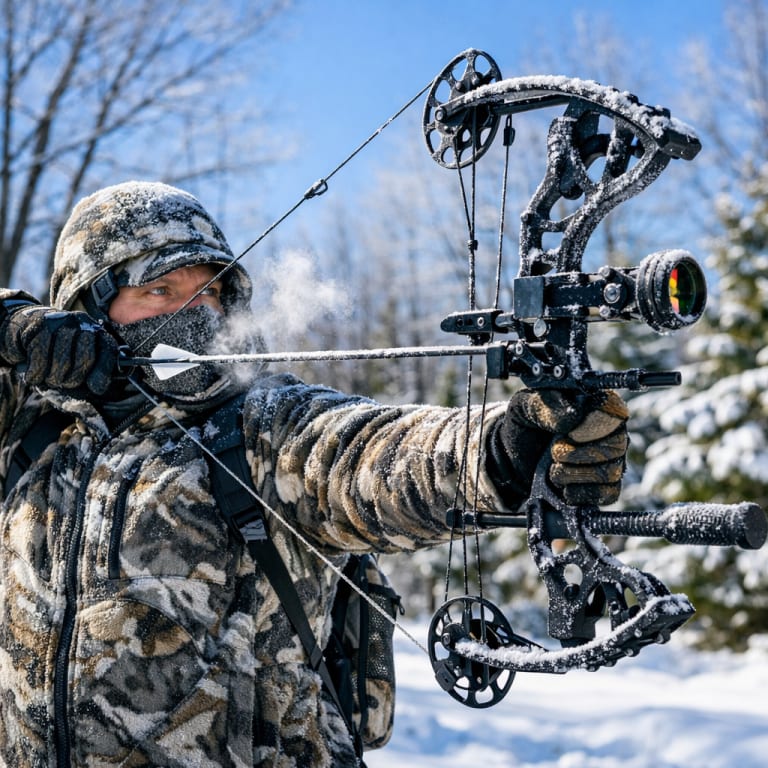
Cold weather changes nearly every part of your shot - reduced string elasticity, stiffer limbs, and altered arrow flight typically cost 2-5 fps and shift point of impact.
 ByTravis

Aluminum arrows offer straightness, durability, and lower cost, while carbon arrows deliver more speed, lighter weight, and better penetration for hunting.
ByTravis
Yes - arrows lighter than your bow's minimum weight spec can damage limbs, cams, and strings, void your warranty, and create a real safety hazard.
ByTravis
Arrow spine is a shaft's stiffness rating - matching it to your draw weight, draw length, and point weight matters, since the wrong spine causes erratic flight.
ByTravis
Porpoising is when arrows fly in an up-and-down wave instead of straight - almost always caused by nocking point height, rest position, or a spine mismatch.
ByTravis
Fishtailing is when arrows wobble side-to-side in flight, usually caused by incorrect arrow spine, a poorly set rest, or nocking point issues.
ByTravis
A bow shooting consistently left or right usually comes down to shooter form, equipment problems, or tuning errors - here's how to diagnose which one is causing yours.
ByTravis
Learn how to paper tune a bow with step-by-step instructions, troubleshooting tips, and expert advice for perfect arrow flight and hunting accuracy.
ByTravis
The right broadhead grain depends on your bow setup and target - most compound hunters shoot 100-grain for speed, while traditional shooters often go 125-grain or heavier.
ByTravis
Not exactly - broadheads create more wind resistance and can expose tuning issues that field points mask, but proper bow tuning minimizes the difference.
ByTravis