Newsletter Subscribe
Enter your email address below and subscribe to our newsletter

All voices matter
All voices matter

 ByTravis
Yes - you should unstring a recurve bow after shooting if you won't use it again soon. Leaving it strung continuously puts constant stress on the limbs, risking deformation and shortened bow life.
Affiliate Disclaimer: We are a participant in the Amazon Services LLC Associates Program, an affiliate advertising program designed to provide a means for sites to earn advertising fees by advertising and linking to Amazon.com. As an Amazon Associate I earn from qualifying purchases. We also participate in other affiliate programs.
Yes, you should unstring a recurve bow after shooting, especially if you won’t be using it again for several days or weeks. Leaving a recurve bow strung continuously puts constant stress on the limbs, which can lead to permanent deformation, reduced performance, and shortened bow life. Modern takedown recurves with quality limbs can tolerate being strung for a day or two, but traditional wooden recurves should be unstrung after every shooting session.
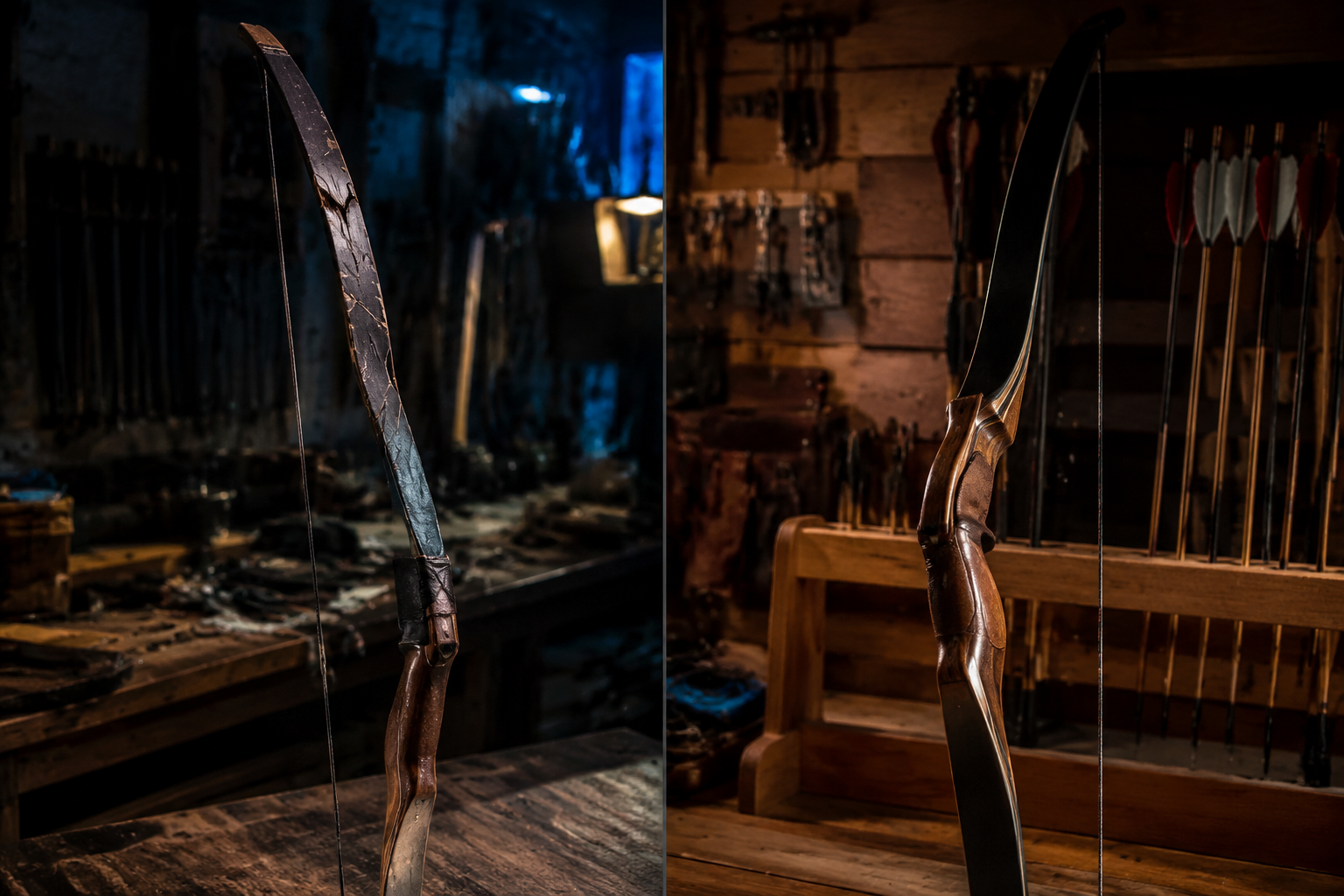
Leaving a recurve bow strung continuously causes the limbs to remain under constant tension, which gradually weakens the wood, fiberglass, or composite materials. Over weeks and months, this sustained stress leads to a condition called “taking a set,” where the limbs lose their original curve and no longer return to their relaxed position when unstrung.
Specific problems that develop include:
The severity depends on several factors: the bow’s construction materials, ambient temperature and humidity, the draw weight, and how long the bow remains strung. A 45-pound wooden longbow left strung in a hot garage for three months will suffer far more damage than a modern ILF recurve with carbon-foam limbs left strung overnight in a climate-controlled room.
Unstring your recurve bow whenever you finish shooting for the day and don’t plan to shoot again within 24-48 hours. This practice applies to most traditional wooden recurves, fiberglass bows, and entry-level equipment.
Recommended unstringing schedule:
If you shoot daily or multiple times per day (such as during intensive training), modern recurves can remain strung between sessions. However, even high-end Olympic-style recurves benefit from being unstrung at least once or twice per week to allow the limbs to fully relax.
For those new to archery equipment, establishing a consistent routine of unstringing after each session builds good maintenance habits that extend bow life significantly.
Yes, leaving a recurve strung for extended periods causes measurable damage to the limbs through a process of material fatigue and stress relaxation. The limbs are designed to flex dynamically during the draw-and-release cycle, not to maintain static tension for days or weeks.
The damage mechanism works like this:
Wood fibers, fiberglass strands, and composite materials all experience microscopic compression and tension when bent. In a properly designed shooting cycle, these materials flex and return to neutral thousands of times. But when held in constant tension, the materials begin to “creep” or permanently deform in the stressed position.
Material-specific vulnerabilities:
Temperature accelerates the damage. A bow left strung in a hot car (where interior temperatures can exceed 140°F) will develop problems much faster than one kept at room temperature. Similarly, extreme cold makes materials brittle and more prone to stress fractures.
Recurve bows and compound bows have fundamentally different storage requirements due to their distinct mechanical designs. Compound bows use a cam-and-cable system with let-off, meaning the limbs are always under tension even when the bow isn’t drawn, so they’re designed to remain strung indefinitely.
Key storage differences:
| Aspect | Recurve Bow | Compound Bow |
|---|---|---|
| String tension | Should be released when not in use | Designed to stay strung continuously |
| Limb stress | High when strung, zero when unstrung | Constant but distributed through cam system |
| Storage position | Unstrung, hung vertically or laid flat | Strung, hung by cam or laid horizontally |
| Maintenance frequency | Unstring/restring regularly | Check cam timing and cable condition |
| Material tolerance | Wood and laminate need tension relief | Metal risers and reinforced limbs handle constant load |
Compound bows are engineered with the expectation that they’ll remain strung for months or years. The limbs are typically shorter, thicker, and reinforced to handle continuous preload. Attempting to “unstring” a compound bow would require disassembling the entire cable and cam system, which isn’t part of normal maintenance.
For archers considering what draw weight should a beginner start with, understanding these storage differences helps inform equipment choices based on available storage space and maintenance preferences.
Modern quality recurve bows can safely remain strung for 24-48 hours without significant damage, while traditional wooden bows should be unstrung after each shooting session. The safe duration depends on bow construction, environmental conditions, and draw weight.
Safe stringing duration guidelines:
Factors that reduce safe stringing time:
Even within the “safe” windows above, unstringing the bow provides benefits. Think of it like stretching a rubber band: it can stay stretched for a while, but it will last longer and maintain better elasticity if you let it relax regularly.
During multi-day target archery tournaments, many archers leave their bows strung between rounds but unstring them each evening. This balances convenience with equipment preservation.
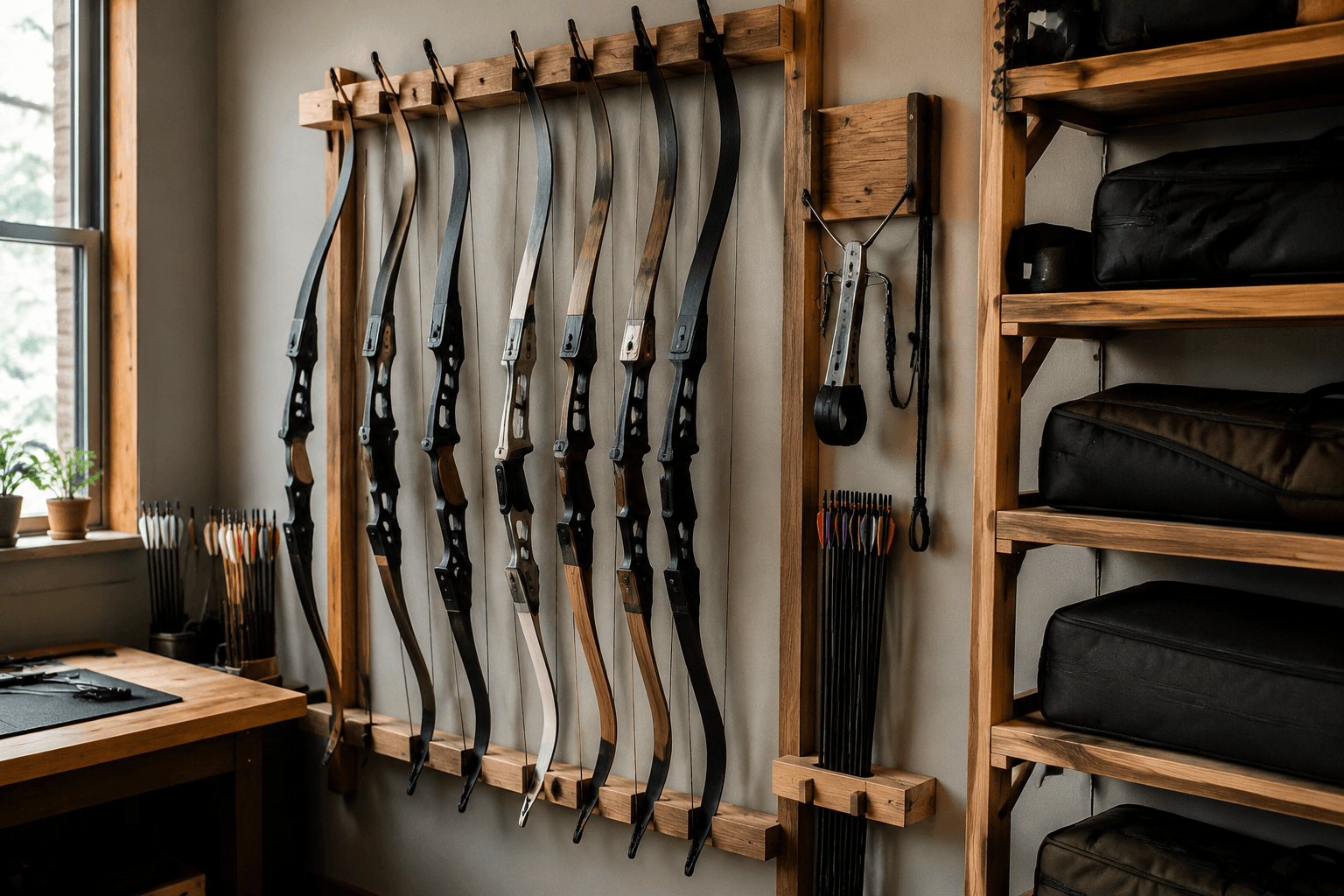
The safest method to unstring a recurve bow is using a bow stringer, a simple tool consisting of a cord with two pouches that fit over the limb tips. This method applies even pressure to both limbs and prevents the dangerous limb twist that can occur with improper techniques.
Step-by-step safe unstringing process:
Common mistakes to avoid:
For those exploring different bow selection options, choosing a takedown recurve makes the stringing and unstringing process more manageable than one-piece traditional bows.
Yes, most Olympic and competitive recurve archers unstring their bows between practice sessions, particularly when storing equipment overnight or for longer periods. Professional archers understand that equipment longevity directly impacts performance consistency and competition results.
Professional archery practices:
Olympic-level archers typically shoot 200-400 arrows per day during training. Despite this intensive use, they follow careful equipment maintenance protocols. Between morning and afternoon practice sessions on the same day, many leave their bows strung for convenience. However, at the end of the training day, they unstring their equipment.
Reasons competitive archers unstring regularly:
During major competitions like the Olympics or World Championships, archers may leave bows strung throughout the competition day (6-10 hours) but unstring them each evening. The controlled indoor environment and short duration make this acceptable for modern equipment.
Modern takedown recurves and traditional one-piece recurves have different unstringing needs based on their construction methods, materials, and design philosophy. Traditional bows require more frequent unstringing due to their simpler, often wood-heavy construction.
Modern takedown recurves:
These bows feature detachable limbs that bolt onto a metal riser, typically using the ILF (International Limb Fitting) system. The limbs use advanced materials like carbon fiber, foam cores, and fiberglass laminates. These materials tolerate string tension better than solid wood, allowing the bow to remain strung for 24-48 hours without significant damage. The metal riser doesn’t experience stress from string tension, so only the limbs need consideration.
Traditional one-piece recurves:
These bows are crafted from laminated wood, solid wood, or wood with fiberglass backing, all in a single continuous piece. Without the ability to detach limbs, the entire bow experiences stress when strung. Traditional bowyers often use natural materials that are more sensitive to moisture, temperature, and sustained tension. These bows should be unstrung after every shooting session.
Practical differences:
For beginners exploring recurve bow options, modern takedown designs offer more forgiving maintenance requirements while still providing an authentic traditional archery experience.
Recognizing limb damage early allows you to address problems before they lead to catastrophic failure or injury. Several visual and performance indicators reveal when limbs have been compromised by excessive string tension.
Visual damage indicators:
Performance indicators:
What to do if you notice damage:
Stop shooting the bow immediately if you observe any of these signs. Continuing to shoot damaged limbs risks catastrophic failure that can cause serious injury. Have the bow inspected by a qualified archery technician or bowyer. Minor issues might be correctable, but severely damaged limbs require replacement.
Yes, it’s necessary to unstring takedown recurve bows for long-term storage, though they tolerate being strung slightly longer than traditional one-piece bows. The takedown design doesn’t eliminate the need for unstringing, it simply makes the process easier and more convenient.
Why takedown bows still need unstringing:
The detachable limbs on takedown recurves experience the same physics of stress and material fatigue as one-piece bows. While the metal riser remains unaffected by string tension, the limbs themselves undergo identical stress whether they’re bolted to a riser or part of a continuous bow. The ILF system and modern materials provide better stress resistance, but they don’t eliminate the fundamental problem of sustained tension.
Advantages of takedown design for maintenance:
When unstringing is essential for takedown bows:
Many archers who shoot their takedown recurves multiple times per week develop a routine of unstringing every 2-3 days or after the last shooting session of the week. This balances convenience with proper equipment care.
Proper storage extends bow life significantly and maintains consistent performance. Whether storing for a few days between shooting sessions or months during the off-season, following best practices protects your investment.
Optimal storage conditions:
Short-term storage (days to weeks):
Unstring the bow and hang it vertically on a bow rack or wall-mounted hanger. Ensure the hanger supports the riser, not the limbs, to avoid creating pressure points. Store in a climate-controlled room away from heating vents, air conditioners, and windows. Keep the bowstring in a separate container or hung loosely to prevent it from developing kinks.
Long-term storage (months):
For seasonal storage, unstring the bow and consider removing the limbs from takedown models. Wipe down all surfaces with a clean, dry cloth to remove oils, dirt, and moisture. Apply a thin coat of bow wax to wooden components. Store in a padded bow case or soft bow sock in a closet or storage area with stable temperature and humidity. Check the bow monthly for any signs of environmental damage.
What to avoid:
For archers building their skills in archery training, establishing good storage habits early prevents equipment problems that can interrupt practice schedules.
Yes, you can safely leave a fiberglass recurve bow strung overnight without causing significant damage, especially if you plan to shoot again the next day. Fiberglass construction offers better resistance to sustained tension than solid wood, making these bows more forgiving of short-term stringing.
Why fiberglass tolerates overnight stringing:
Fiberglass-backed and fiberglass-core bows use synthetic materials that resist the creep and set that affect natural wood. The fiberglass maintains its elastic properties under tension better than wood fibers, which can compress and deform. Modern fiberglass recurves designed for beginners and intermediate archers often incorporate this durability as a selling point.
Recommended practices for overnight stringing:
When to unstring even fiberglass bows:
Despite their durability, fiberglass bows benefit from regular unstringing. If you shoot once or twice per week with several days between sessions, unstring the bow after each use. The few minutes required to string and unstring provide significant long-term benefits in equipment longevity and performance consistency.
Entry-level fiberglass recurves popular with beginner bow users often come with manufacturer guidance suggesting they can remain strung for short periods. However, developing the habit of unstringing after each session builds good practices that apply when upgrading to more advanced equipment.
Improper stringing and unstringing techniques cause more bow damage than almost any other maintenance error. Learning correct methods from the beginning prevents expensive repairs and potential injuries.
Most frequent stringing mistakes:
Using the step-through method: This outdated technique involves stepping between the string and lower limb while pushing the upper limb forward to slide the string into place. It creates uneven pressure, can twist limbs, and risks the bow slipping and causing facial injuries. Never use this method despite seeing it in old videos or books.
Pushing against the limb tip: Placing the lower limb tip against your foot or the ground while bending the upper limb applies force at the weakest point of the bow. This concentrates stress where the limb is thinnest and most vulnerable, often causing cracks or delamination.
Stringing without a bow stringer: Hand-stringing methods might work for experienced archers with specific bow types, but they’re risky and unnecessary when bow stringers cost $10-$20 and last for years. The small investment prevents hundreds of dollars in potential damage.
Rushing the process: Jerky, fast movements when stringing or unstringing create shock loads that stress materials beyond their design limits. Smooth, controlled motions distribute forces evenly and safely.
Common unstringing mistakes:
Preventing mistakes:
Practice stringing and unstringing several times when you first get a bow, before you’re tired after shooting. Watch your technique in a mirror or have an experienced archer observe and provide feedback. Keep your bow stringer in good condition and replace it if the cord frays or pouches tear.
Yes, wooden recurve bows require more frequent unstringing than fiberglass bows due to wood’s greater sensitivity to sustained tension, moisture, and temperature changes. Wood is a natural, hygroscopic material that responds to environmental conditions, while fiberglass maintains more stable properties.
Why wood is more vulnerable:
Wood fibers compress under sustained load through a process called compression set. When a wooden bow limb is held in tension, the fibers on the belly (inside curve) experience compression while those on the back (outside curve) experience tension. Over time, these fibers begin to take a permanent set in the stressed position. Wood also absorbs and releases moisture based on ambient humidity, which affects its flexibility and strength.
Specific vulnerabilities of wooden bows:
Recommended unstringing schedule by material:
Protecting wooden bows:
Beyond regular unstringing, wooden recurves benefit from climate-controlled storage, periodic waxing of wooden surfaces, and avoiding extreme temperature or humidity exposure. Traditional wooden bows represent significant craftsmanship and investment, making proper care essential for preserving both function and value.
Should you unstring a recurve bow after every use?
Yes, unstring traditional wooden recurve bows after every use. Modern takedown recurves with synthetic limbs can remain strung for 24-48 hours if you’re shooting multiple days in a row, but unstringing after each session extends limb life and maintains optimal performance.
How do you know if your recurve bow limbs are damaged?
Check for visible limb twist when viewing from the tip, permanent set where unstrung limbs don’t return to their original curve, stress cracks in the finish, reduced draw weight, unusual sounds during the draw, or inconsistent arrow flight. Any of these signs indicate potential limb damage requiring inspection.
Can leaving a recurve bow strung ruin it?
Yes, leaving a recurve bow strung for weeks or months will cause permanent limb deformation, reduced draw weight, potential limb twist, and shortened bow life. The severity depends on bow construction, materials, and environmental conditions, but all recurve bows suffer damage from prolonged string tension.
What’s the difference between storing a recurve and compound bow?
Recurve bows should be unstrung for storage to relieve limb tension, while compound bows are designed to remain strung indefinitely. Compound bows use a cam system that distributes stress differently and feature reinforced limbs engineered for constant tension.
How long does it take to unstring a recurve bow?
Unstringing a recurve bow with a bow stringer takes 30-60 seconds once you’re familiar with the process. The technique involves placing the stringer pouches on both limb tips, stepping on the cord, pulling the bow upward, and sliding the string out of the upper limb groove.
Do professional archers unstring their bows?
Yes, most professional and Olympic archers unstring their recurve bows between practice sessions and always for overnight storage. They may leave bows strung during competition days or intensive training periods but follow careful maintenance protocols to protect expensive equipment.
Is it harder to string a traditional recurve than a modern takedown?
Traditional one-piece recurves are slightly more challenging to string because they lack the stable riser grip point that takedown bows provide. However, both types should be strung using a bow stringer, which makes the process safe and manageable for either design.
What happens if you use the wrong stringing method?
Incorrect stringing methods like step-through or push-pull techniques can cause limb twist, stress cracks, delamination, or catastrophic limb failure. They also risk personal injury if the bow slips during the stringing process. Always use a bow stringer for safety and equipment protection.
Can you leave a recurve bow strung in cold weather?
Avoid leaving recurve bows strung in cold weather, especially below freezing. Cold temperatures make materials brittle and less flexible, increasing the risk of stress cracks or sudden failure. If you must shoot in cold conditions, string the bow just before shooting and unstring it immediately after.
How much does it cost to replace damaged recurve limbs?
Replacement limbs for takedown recurves range from $100-$200 for entry-level models to $400-$800 for high-end Olympic-style limbs. Custom traditional bow repairs vary widely but often cost $200-$500 depending on damage severity. Prevention through proper unstringing is far more economical.
Should beginners unstring their recurve bows?
Yes, beginners should develop the habit of unstringing their recurve bows after each shooting session. This practice builds good maintenance habits, extends equipment life, and prevents the frustration of dealing with damaged equipment while still learning fundamental archery skills.
Does draw weight affect how often you should unstring a recurve?
Higher draw weights create more limb stress, making frequent unstringing more important. A 50-pound recurve experiences significantly more tension than a 25-pound bow, so heavier bows benefit from more conservative unstringing schedules and should never be left strung for extended periods.
The question “should you unstring a recurve after shooting?” has a clear answer: yes, particularly for traditional wooden bows and whenever storing equipment for more than a day or two. While modern takedown recurves with synthetic limbs tolerate short-term stringing better than traditional designs, all recurve bows benefit from regular unstringing that allows limbs to relax and return to their neutral state.
The few minutes required to properly unstring your recurve bow using a bow stringer protects a significant equipment investment and maintains the consistent performance that accurate shooting demands. Whether you’re a beginner learning fundamentals or a competitive archer pursuing precision, establishing a routine of unstringing after each session or every 1-2 days prevents the permanent limb damage, reduced draw weight, and performance inconsistencies that develop from sustained string tension.
Take these action steps today:
By following these practices, you’ll extend your recurve bow’s lifespan, maintain optimal performance, and enjoy more consistent shooting for years to come. The small investment of time in proper maintenance pays dividends in equipment longevity and shooting satisfaction.