
Newsletter Subscribe
Enter your email address below and subscribe to our newsletter

All voices matter
All voices matter

 ByTravis
A well-maintained bow string can last 2-3 years, but neglect can take it down to under six months - wax every 2-4 weeks during active shooting season.
Affiliate Disclaimer: We are a participant in the Amazon Services LLC Associates Program, an affiliate advertising program designed to provide a means for sites to earn advertising fees by advertising and linking to Amazon.com. As an Amazon Associate I earn from qualifying purchases. We also participate in other affiliate programs.
A properly maintained bow string can last 2-3 years, while a neglected one might fail in under six months. You should wax your bow string every 2-4 weeks during active shooting seasons, or whenever the string appears dry, fuzzy, or loses its waxy sheen. The exact frequency depends on how often you shoot, storage conditions, and weather exposure, but regular waxing is the single most important maintenance task for extending string life and maintaining consistent performance.

Waxing a bow string protects the individual fibers from moisture, UV damage, and friction while keeping them bonded together as a cohesive unit. Modern bow strings are made from synthetic materials like Dacron, Fast Flight, or BCY-X that consist of thousands of tiny fibers twisted together. Without wax, these fibers separate, fray, and weaken.
The wax creates a protective barrier that:
Think of wax as sunscreen and moisturizer for your string. Just as skin cracks and ages without protection, bow string fibers dry out, separate, and eventually snap. A well-waxed string maintains its original strength and performance characteristics far longer than an untreated one.
For those just getting into archery, understanding basic bow maintenance is as important as choosing the right draw weight for your skill level.
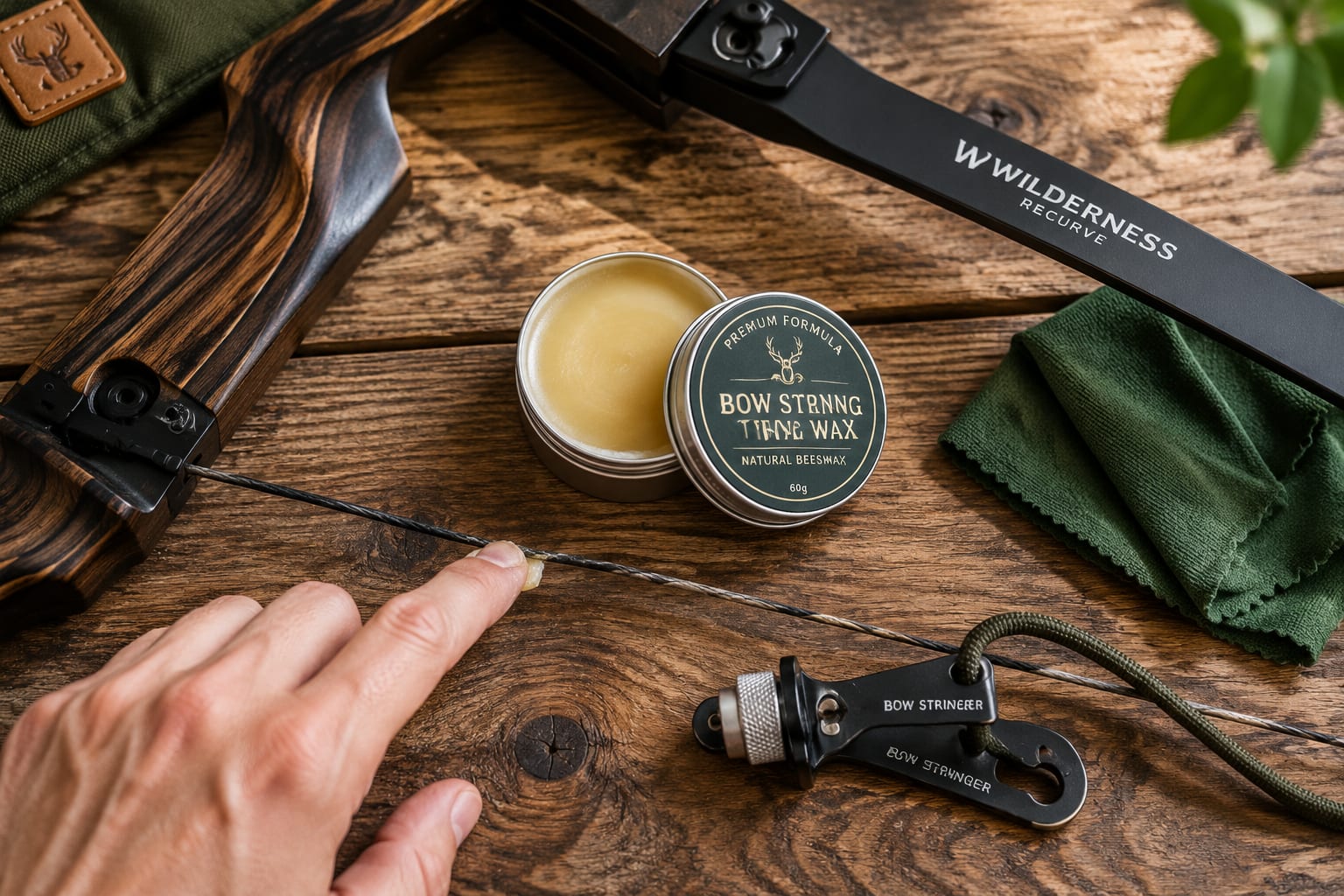
Both compound and recurve bow strings should be waxed every 2-4 weeks during active use, as they’re made from the same synthetic materials and face similar wear factors. The bow type doesn’t change the waxing schedule, shooting frequency, storage conditions, and visual inspection matter more than whether you shoot a compound bow or recurve bow.
Compound bow considerations:
Recurve bow considerations:
The real determining factor is how often you shoot. Someone practicing daily needs to wax weekly, while a recreational archer shooting twice monthly can stretch to 3-4 weeks between applications. Let the string’s appearance guide you more than the calendar.
Your bow string needs immediate waxing when it appears dry, feels rough to the touch, or shows visible fuzzing along its length. These warning signs indicate the protective wax layer has worn away and the underlying fibers are exposed to damage.
Visual indicators:
Tactile signs:
Performance changes:
Don’t wait for severe fraying before taking action. The moment your string loses its smooth, slightly waxy feel, it’s time to apply fresh wax. Catching problems early prevents expensive string replacement and potential equipment damage from catastrophic string failure.
An unwaxed bow string will progressively deteriorate, typically failing within 6-12 months of regular use compared to 2-3 years for a properly maintained string. The damage occurs gradually but accelerates once fiber separation begins, eventually leading to complete string failure that can damage your bow and cause injury.
Timeline of neglect:
Weeks 1-4: Surface wax depletes, string loses protective coating
Months 2-3: Individual fibers begin separating, fuzzing appears
Months 4-6: Significant fraying, strength loss of 20-30%, inconsistent performance
Months 6-12: Critical fiber damage, imminent failure risk, potential for catastrophic breakage
Specific consequences:
The cost of neglect far exceeds the minimal investment in wax. A quality bow string costs $50-150 to replace, while a small tube of wax costs $5-8 and lasts for years. More importantly, a broken string mid-draw can cause serious injury and damage expensive bow components.
Apply bow string wax by rubbing a thin layer along the entire string length with your fingers, working the wax into the fibers with friction heat, then wiping away any excess with a clean cloth. The entire process takes 3-5 minutes and should be done in a warm environment where the wax softens easily.
Step-by-step application:
Areas to wax:
Areas to AVOID:
The goal is a thin, even coat that penetrates the fibers rather than sitting on the surface. If you can see thick wax buildup or the string feels sticky, you’ve applied too much. Wipe it off and start over with a lighter touch.
The best bow string wax uses synthetic polymers specifically formulated for modern string materials like BCY-X, Fast Flight, and Dacron, with top choices including Bohning Tex-Tite, OMP String Wax, and BCY Formula B50. These products cost $5-12 per tube and last for years of regular maintenance.
Recommended products:
| Product | Best For | Price Range | Key Features |
|---|---|---|---|
| Bohning Tex-Tite | All-around use | $6-8 | Weather-resistant, easy application, long-lasting |
| OMP String Wax | Frequent shooters | $8-10 | High-quality synthetic blend, professional choice |
| BCY Formula B50 | High-performance strings | $10-12 | Designed for modern materials, competition-grade |
| October Mountain Bow Wax | Budget option | $5-7 | Solid performance, good value |
| Winners Choice String Wax | Premium choice | $10-15 | Used by professional archers, excellent protection |
What to look for:
What to avoid:
Most archers find that brand matters less than application technique and frequency. A $6 tube of quality wax applied correctly every few weeks outperforms a $15 premium product used sporadically. Buy from reputable archery manufacturers and you’ll get good results.
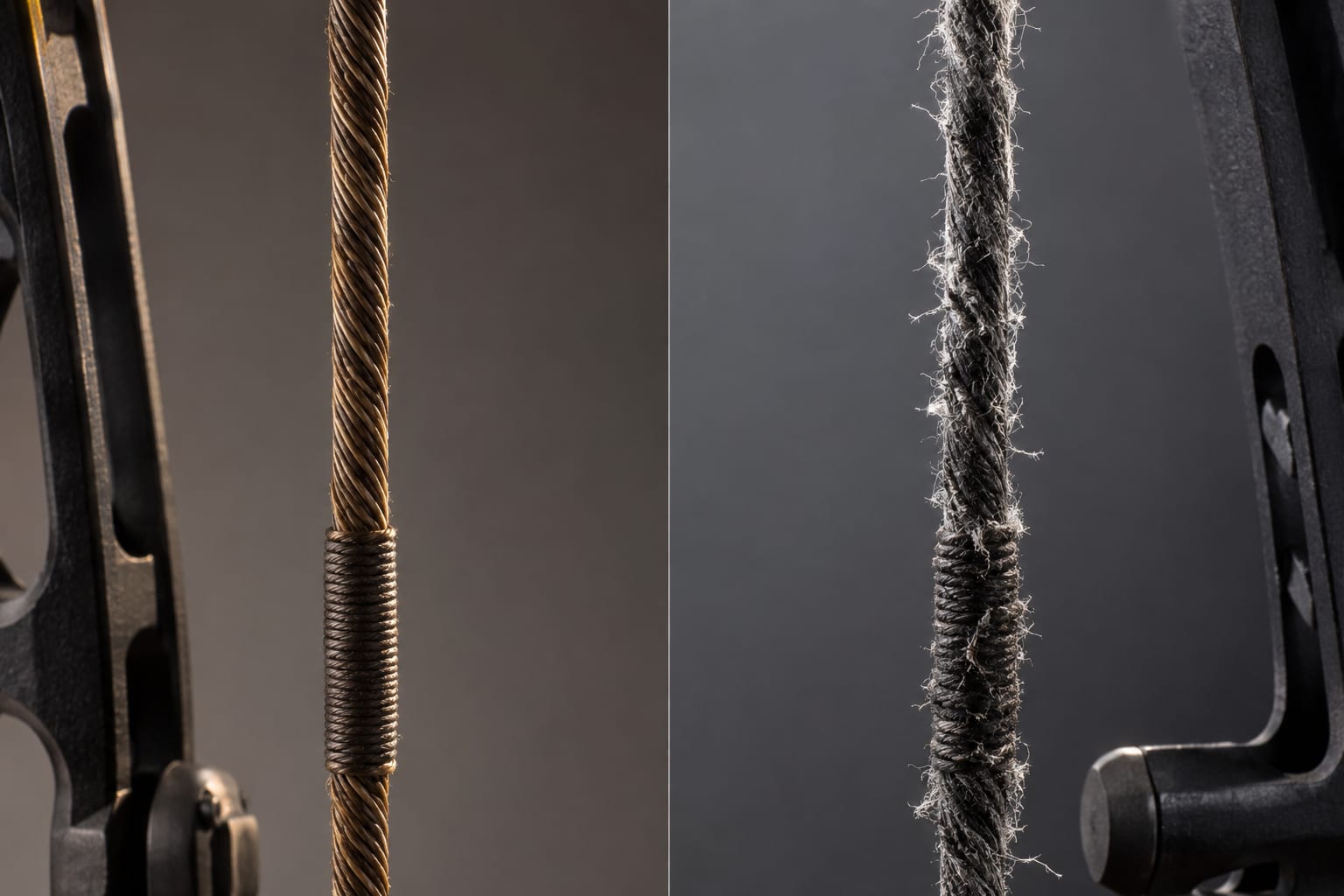
You can over-wax a bow string, though it’s uncommon, excessive wax creates a gummy buildup that attracts dirt, adds unnecessary weight, and can interfere with serving and nocking points. However, applying a thin coat every 2-4 weeks poses no risk, and most archers under-wax rather than over-wax their strings.
Signs of over-waxing:
How to fix over-waxing:
The right amount:
Think “absorbed, not coated.” After application and buffing, the string should feel smooth and slightly slick but not sticky. You shouldn’t see visible wax on the surface or feel buildup under your fingers. The wax should be in the fibers, not on them.
Most maintenance problems come from too little wax or improper application rather than excessive waxing. If you’re waxing weekly and using proper technique (thin coats, worked into fibers, excess removed), you’re not over-waxing, you’re maintaining your equipment correctly.
New bow strings typically come pre-waxed from the manufacturer, but this initial wax coating wears off quickly during the break-in period and should be supplemented after the first 100 shots. The factory wax protects the string during shipping and storage but isn’t sufficient for long-term maintenance.
What to expect with new strings:
New string setup routine:
When to wax immediately:
Don’t assume “pre-waxed” means “maintenance-free.” Treat a new string like any other equipment, inspect it, maintain it properly from day one, and it will serve you well for years. The break-in period is actually when strings need the most attention, as fibers settle and initial tension stabilizes.
Bow string wax and bowstring conditioner serve different purposes, wax provides a protective coating and fiber bonding, while conditioner is a liquid treatment that penetrates deeper to restore flexibility to dried-out strings. Most archers only need wax for regular maintenance, using conditioner only for rehabilitation of severely neglected strings.
Bow string wax:
Bowstring conditioner:
When to use each:
Use wax for:
Use conditioner for:
Can you use both?
Yes, but in the right order. If a string needs rehabilitation, apply conditioner first, let it absorb for 24 hours, then apply wax for ongoing protection. Don’t mix them together or apply simultaneously, they work best when used sequentially for their specific purposes.
For most archers maintaining their equipment properly, wax alone is sufficient. Conditioner is a specialized product for specific situations, not a regular maintenance item.
Professional archers typically wax their bow strings weekly during competition seasons and after every 2-3 practice sessions, which translates to roughly twice as often as recreational archers. This intensive maintenance schedule ensures peak performance, consistent arrow flight, and eliminates string condition as a variable during competition.
Professional maintenance patterns:
Competition season:
Training periods:
Why professionals wax more frequently:
What recreational archers can learn:
You don’t need to match professional schedules, but their approach offers valuable lessons. Professionals treat string maintenance as non-negotiable because they understand the cost of failure. For recreational archers, adopting a “wax every 2-4 weeks” routine and inspecting strings before every session provides excellent results without professional-level time investment.
The key difference isn’t the wax itself, professionals use the same products available to everyone, but the consistency and attention to detail in their maintenance routines.
Never use candle wax or beeswax on modern bow strings, these natural waxes are too soft, melt at low temperatures, attract dirt and debris, and lack the synthetic polymers needed to protect modern string materials like Fast Flight or BCY-X. Only dedicated bow string wax formulated for synthetic fibers provides proper protection.
Why candle wax fails:
Why beeswax fails:
Historical context:
Traditional archers using authentic historical equipment with natural fiber strings (linen, hemp, sinew) did use beeswax successfully. However, modern synthetic strings require modern synthetic wax. The materials are fundamentally different and need chemistry specifically designed for them.
The cost argument:
Some archers consider candle wax or beeswax because they’re cheaper or already available. This is false economy, a tube of proper bow string wax costs $5-8 and lasts for years, while using the wrong product can destroy a $50-150 string in months. The minimal cost of correct wax is insignificant compared to replacement costs and safety risks.
If you’re serious about archery equipment maintenance, invest in the right products. There’s no acceptable substitute for dedicated bow string wax.
Weather significantly affects waxing frequency, hot, humid conditions and direct sunlight accelerate wax breakdown and require waxing every 1-2 weeks, while cool, dry indoor storage allows 3-4 week intervals. UV exposure, temperature extremes, and moisture are the primary environmental factors that determine maintenance schedules.
Weather-based waxing guide:
Hot, sunny conditions (80°F+):
Humid or rainy environments:
Cold weather (below 40°F):
Dry, moderate indoor conditions:
Extreme conditions:
Archers in desert climates (high heat, intense UV, low humidity) may need weekly waxing, while those in tropical environments (high heat and humidity) face accelerated fiber degradation requiring both frequent waxing and earlier string replacement. Indoor target archers in climate-controlled facilities have the easiest maintenance schedules.
Seasonal adjustments:
Pay attention to how your specific environment affects your string. The same bow used indoors in winter and outdoors in summer needs different maintenance approaches for each season.
A fuzzy bow string isn’t necessarily beyond saving, if the fuzzing is light to moderate and the string still feels strong with no broken strands, immediate waxing can restore protection and prevent further damage. However, severe fuzzing with visible broken fibers, soft spots, or structural weakness means the string needs replacement, not wax.
Assessment checklist:
Safe to wax (string is salvageable):
Needs replacement (too damaged):
Rehabilitation process for salvageable strings:
Prevention is key:
Once a string reaches severe fuzzing, even successful rehabilitation means it has lost strength and reliability. A “saved” fuzzy string should be replaced within 2-3 months regardless of appearance. Use this as a learning experience, the cost and effort of rehabilitation far exceeds the minimal time required for regular waxing.
For beginners learning proper archery equipment care, fuzzing is often the first visible sign of neglect. Catch it early, and you’ll save your string. Ignore it, and you’ll be shopping for replacements.
Properly applied bow string wax lasts 2-4 weeks under normal shooting conditions, providing protection for approximately 100-200 shots before requiring reapplication. The exact duration depends on shot frequency, weather exposure, string material, and how thoroughly the wax was worked into the fibers during application.
Factors affecting wax longevity:
Shot volume:
Environmental exposure:
Application quality:
String material:
Visual timeline:
Extending wax life:
Rather than counting days, develop the habit of checking your string before each shooting session. Run your fingers along the length, if it feels rough or looks dull, it needs wax regardless of how long it’s been since the last application.
How do I know if my bow string is too old to wax?
If your bow string shows broken fibers, severe fraying, soft spots, or has been in service for more than 2-3 years of regular use, it’s too old for wax to help and needs replacement. Wax maintains healthy strings but cannot repair structural damage or restore lost strength.
Should I wax my bow string before or after shooting?
Wax your bow string after shooting sessions, not before, this allows you to clean off any dirt or debris first and gives the wax time to fully penetrate the fibers before the next use. Waxing immediately before shooting can leave surface residue that affects arrow release.
Can I wax the serving on my bow string?
No, avoid waxing the center serving where you nock arrows, as wax makes the serving slippery and can cause nocking point issues. Only wax the main string body between the served sections. The serving thread is already protected by its tight wrap.
What’s the difference between bow string wax and rail lube for crossbows?
Bow string wax is designed for vertical bow strings and provides fiber protection, while crossbow rail lube is a slicker product for reducing friction on the flight rail. They’re not interchangeable, using rail lube on bow strings makes them too slippery and attracts excessive dirt.
Does waxing a bow string make it faster?
Waxing maintains consistent string performance but doesn’t increase arrow speed, a well-maintained string performs as designed, while a dry, damaged string loses efficiency. The speed benefit comes from preventing performance degradation, not from enhancement.
How much does bow string wax cost?
Quality bow string wax costs $5-12 per tube and lasts for years of regular maintenance, making it one of the most cost-effective archery investments. A single tube can wax a bow string 50-100 times, working out to pennies per application.
Can I use the same wax on compound and recurve bow strings?
Yes, the same bow string wax works for both compound and recurve bows, as well as longbows and crossbows, since they all use similar synthetic string materials. Buy one quality product and use it on all your equipment.
Should I wax my bow cables too?
Yes, compound bow cables need waxing on the same schedule as the main string, every 2-4 weeks during regular use. Cables face similar wear factors and benefit from the same protective wax coating.
What happens if I get wax on my bow cams?
Wax on cams or other mechanical parts can attract dirt and interfere with smooth operation, wipe it off immediately with a clean cloth. Be careful during application to avoid getting wax on anything except the string and cables.
Is there a difference between cheap and expensive bow string wax?
Quality differences exist but are minimal, most bow string waxes from reputable archery manufacturers perform similarly, with price variations reflecting brand positioning more than performance. A $6 tube from a known brand works as well as a $12 premium option.
How do I remove old wax buildup from my bow string?
Remove old wax buildup by firmly wiping the string with a clean, dry cloth using friction to generate heat that softens the wax. For heavy buildup, use a leather glove to grip and strip excess wax, then apply a fresh thin coat properly.
Can I wax a wet bow string?
Always dry your bow string thoroughly before waxing, applying wax over moisture traps water against the fibers and accelerates degradation. If your string gets wet, dry it completely with a clean cloth and let it air dry for several hours before waxing.
Maintaining your bow string through regular waxing is the single most important maintenance task for any archer. Wax your string every 2-4 weeks during active shooting, or whenever it appears dry, fuzzy, or loses its protective sheen. This simple routine takes just a few minutes but extends string life from months to years, maintains consistent performance, and prevents dangerous equipment failures.
The key takeaways are straightforward: use only dedicated bow string wax made for synthetic materials, apply thin coats worked thoroughly into the fibers, avoid waxing served areas, and let visual inspection guide your schedule more than the calendar. Whether you shoot a compound bow or recurve bow, the maintenance principles remain the same.
Take action today:
Remember that professional archers wax weekly not because they have better products, but because they understand that consistent maintenance eliminates variables and prevents problems. Adopt this mindset, and your equipment will serve you reliably for years. The few minutes spent on regular waxing pays dividends in performance, safety, and equipment longevity.
For more guidance on archery equipment care and getting started in archery, explore our comprehensive guides and resources.


