
Newsletter Subscribe
Enter your email address below and subscribe to our newsletter

All voices matter
All voices matter

 ByTravis
Whether you can practice in your backyard depends on local zoning, HOA rules, and whether you can meet minimum safety requirements like adequate space and a proper backstop.
Affiliate Disclaimer: We are a participant in the Amazon Services LLC Associates Program, an affiliate advertising program designed to provide a means for sites to earn advertising fees by advertising and linking to Amazon.com. As an Amazon Associate I earn from qualifying purchases. We also participate in other affiliate programs.

Whether you can practice archery in your backyard depends on local zoning laws, municipal ordinances, homeowner association rules, and whether you can meet minimum safety requirements. Most residential areas allow backyard archery if you maintain adequate space (typically 10-20 yards minimum), use proper backstops, and follow noise and safety regulations. Before setting up, check city ordinances, county regulations, HOA covenants, and verify you have sufficient liability insurance coverage.
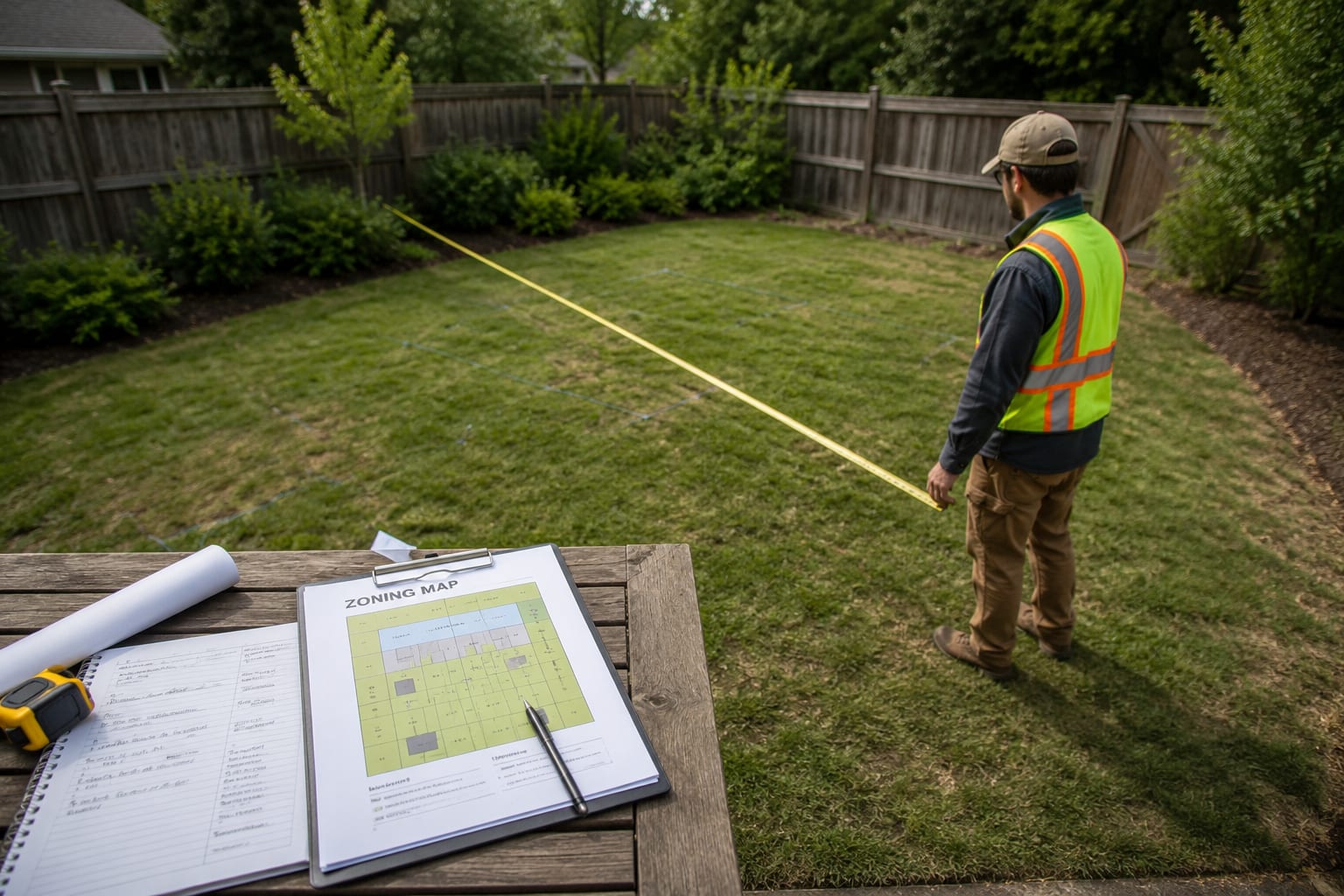
Backyard archery legality varies by jurisdiction, with no universal federal law governing residential archery practice in the United States. Most states delegate authority to counties and municipalities, which means legality depends entirely on where you live. Some cities explicitly permit archery with safety provisions, others classify bows as weapons and ban discharge in residential zones, and many have no specific archery regulations at all.
Common legal frameworks include:
The absence of an explicit ban does not guarantee legality. Many jurisdictions apply general nuisance laws, reckless endangerment statutes, or property damage regulations to archery incidents. If an arrow crosses property lines or creates a safety hazard, you can face legal consequences even without a specific archery ordinance.
Who should not practice archery in their backyard:
Checking local laws requires reviewing multiple regulatory layers, since restrictions can exist at city, county, HOA, and even neighborhood covenant levels. Start with municipal codes, then work through each additional layer to identify all applicable rules.
Step-by-step verification process:
Document your findings in writing. If code enforcement or city planning confirms archery is permitted, request written confirmation via email. This documentation protects you if neighbors complain or if enforcement policies change.
Common regulatory language to watch for:
Safety requirements for backyard archery typically include proper backstops, adequate shooting lanes, arrow fall zones, and equipment appropriate for the space. Even in jurisdictions without specific archery codes, general negligence and reckless endangerment laws create de facto safety obligations.
Essential safety components:
The National Field Archery Association recommends backstops capable of stopping arrows with at least 20% more kinetic energy than your bow produces. For a 50-pound compound bow, this means a backstop rated for 60+ foot-pounds of energy.
Common safety mistakes that create legal liability:
Choose a backstop location where a missed shot would hit a solid structure (fence, garage wall, hillside) rather than open space. This creates a secondary barrier if your primary backstop fails.
Space requirements for backyard archery depend on bow type, draw weight, and skill level, with minimum safe distances ranging from 10 yards for youth recurve bows to 30+ yards for adult compound bows. Beyond shooting distance, you need additional space for safety zones, backstop depth, and shooter positioning.
Minimum space by bow type:
| Bow Type | Minimum Distance | Recommended Distance | Safety Zone Behind Target |
|---|---|---|---|
| Youth recurve (15-25 lbs) | 10 yards | 15 yards | 10 feet |
| Adult recurve (25-40 lbs) | 15 yards | 20 yards | 15 feet |
| Compound bow (40-60 lbs) | 20 yards | 30 yards | 20 feet |
| Traditional longbow | 15 yards | 25 yards | 15 feet |
| Crossbow | 20 yards | 30 yards | 25 feet |
Total property depth needed equals shooting distance plus safety zone plus shooter positioning space (typically 5-10 feet). For a 20-yard range with a 15-foot safety zone, you need approximately 75-80 feet of usable depth.
Width requirements:
Shooting lanes should be at least 10 feet wide to accommodate lateral arrow drift from form errors or wind. If multiple archers shoot simultaneously, allow 6 feet of width per shooter to prevent interference.
Can you practice archery in a small yard?
Yes, but with significant limitations. Small yards (under 50 feet deep) restrict you to youth bows, low draw weights, or specialized short-range practice techniques. Consider these adaptations:
Indoor archery ranges become more practical than backyard setups when yard depth falls below 40 feet for adult bows.
A proper archery backstop must completely stop arrows from your bow type without pass-through, contain missed shots, and remain effective across hundreds of impacts. Backstop requirements scale with bow power, measured in kinetic energy (foot-pounds) rather than just draw weight.

Effective backstop materials by bow power:
Backstop construction guidelines:
Commercial archery backstops cost between $150-$600 depending on size and energy rating. DIY options using compressed hay, old carpets, or foam layers cost $50-$150 but require more frequent replacement and inspection.
Common backstop failures:
Test your backstop before regular use by shooting from maximum distance at full draw weight. Inspect the back of the backstop after each shot to verify no pass-through or excessive penetration.
Backyard archery and indoor ranges serve different needs, with backyard practice offering convenience and cost savings while indoor ranges provide professional facilities, climate control, and social opportunities. The right choice depends on legal restrictions, available space, budget, and practice goals.
Backyard archery advantages:
Backyard archery disadvantages:
Indoor range advantages:
Indoor range disadvantages:
Choose backyard archery if you have verified legal permission, adequate space, and practice primarily for recreation or hunting preparation. Choose indoor ranges if you face legal restrictions, lack sufficient space, pursue competitive archery, or want professional instruction.
Proactive communication with neighbors before starting backyard archery prevents conflicts, reduces complaint risks, and often results in support rather than opposition. Most neighbor objections stem from safety concerns and lack of information rather than opposition to archery itself.
Effective neighbor communication steps:
Key points to emphasize:
What happens if an arrow goes over the fence into a neighbor’s yard?
If an arrow crosses property lines, immediately stop shooting, retrieve the arrow with permission, and assess what safety failure occurred. This situation creates potential liability for property damage, trespassing, and reckless endangerment. Take these steps:
A single arrow escape might be forgiven as an accident. Repeated incidents will likely result in neighbor complaints, code enforcement involvement, or civil liability claims.
Standard homeowner insurance policies typically cover archery-related injuries and property damage under personal liability provisions, but coverage limits and exclusions vary significantly by insurer and policy type. Verify coverage explicitly before starting backyard practice, as some insurers exclude “weapons” or “projectile sports” from standard policies.
Insurance considerations for backyard archery:
Steps to verify coverage:
Archery organizations like USA Archery offer supplemental liability insurance for members ($35-$75 annually) that covers practice and competition activities. This provides additional protection beyond homeowner policies.
Liability scenarios insurance should cover:
Insurance will not cover injuries from gross negligence (allowing intoxicated shooting, no backstop, shooting toward occupied areas) or intentional acts.
Common backyard archery setup mistakes include inadequate backstops, poor target placement, ignoring property lines, and failing to account for arrow trajectory beyond the target. These errors create safety hazards, legal liability, and neighbor conflicts that could prevent future practice.
Critical setup mistakes to avoid:
Target placement best practices:
Position targets perpendicular to property lines rather than parallel, so missed shots travel along your property rather than toward boundaries. Place targets in corners or against solid structures (garage walls, privacy fences, hillsides) to create natural secondary barriers.
Shoot away from your home and other structures to prevent property damage from equipment failures or form errors. Never position targets where a missed shot could reach windows, vehicles, or outdoor living spaces.
Equipment selection errors:
Start with lower draw weights (25-35 pounds) until you verify your setup is safe and legal. Increase power only after demonstrating consistent accuracy and control at shorter distances.
Backyard archery noise comes primarily from arrow impacts on targets, bow limb vibration, and string release, with sound levels typically ranging from 70-90 decibels depending on bow type and setup. While quieter than many recreational activities, repeated impacts can annoy neighbors, especially during early morning or evening hours.
Noise reduction strategies:
Bow types by noise level:
For context, normal conversation measures 60 dB, lawn mowers produce 90 dB, and most municipal noise ordinances set residential limits at 55-65 dB during evening hours.
If neighbors complain about noise, offer to adjust practice hours, add additional sound dampening, or demonstrate actual noise levels with a decibel meter app. Most complaints stem from perception rather than actual ordinance violations, and demonstrating reasonable noise levels often resolves concerns.
The best beginner bow for backyard practice balances manageable draw weight (20-30 pounds), forgiving design, and suitability for limited space. Recurve bows and entry-level compound bows work well for backyard settings, while traditional longbows and high-powered hunting bows are less appropriate for residential practice.
Recommended beginner bow characteristics:
Top beginner bow categories:
Avoid high-powered hunting bows (50+ pounds draw weight) for backyard practice. These require longer distances, more robust backstops, and create greater liability risks in residential settings.
Essential accessories for backyard beginners:
Start with at least six arrows to minimize target walks and maintain practice rhythm. Carbon arrows ($50-$80 per six) offer better durability than aluminum for backyard practice.
Can I practice archery in my backyard if my city has no specific laws about it?
Yes, but you remain subject to general nuisance, reckless endangerment, and property damage laws even without specific archery ordinances. Maintain proper safety equipment and backstops to avoid liability under these general statutes.
How close to my property line can I place an archery target?
Most jurisdictions require 10-20 feet from property lines for projectile activities, but verify local setback requirements. Position targets so missed shots travel parallel to boundaries rather than toward them, regardless of minimum distances.
Do I need a permit to practice archery in my backyard?
Most residential areas do not require permits for backyard archery, but some municipalities mandate recreational equipment permits or neighbor notification. Check with your city’s planning or code enforcement department to verify local requirements.
Can my HOA ban backyard archery even if city laws allow it?
Yes, homeowner associations can impose stricter restrictions than municipal codes through CC&Rs (covenants, conditions, and restrictions). HOA rules are legally binding contracts that supersede general permissions in city ordinances.
What should I do if a neighbor complains about my backyard archery practice?
Stop practicing immediately, discuss their specific concerns, and demonstrate your safety measures and legal compliance. If concerns persist, request mediation through your HOA or consider relocating practice to an indoor range.
Is backyard archery safe for children?
Yes, with appropriate supervision, youth-sized equipment, and reduced draw weights (10-20 pounds). Children should never practice alone and must demonstrate consistent safety awareness before unsupervised access to equipment.
How often should I replace my archery backstop?
Inspect backstops after every 100 shots and replace when you observe pass-through, excessive compression, or material breakdown. Foam targets typically last 500-1,000 shots, while hay bales need replacement after 200-400 shots.
Can I practice archery in my backyard during hunting season?
Yes, unless local ordinances specifically restrict archery practice during hunting seasons. Some jurisdictions prohibit bow discharge during certain periods to avoid confusion with illegal hunting activities.
What is the minimum age for backyard archery practice?
Most archery organizations recommend age 8 as the minimum for supervised practice with youth equipment. Younger children can participate in archery-themed activities but lack the strength and coordination for actual shooting.
Do I need special arrows for backyard practice?
Use field points (practice tips) rather than broadheads (hunting points) for backyard practice. Field points are safer, cause less target damage, and are appropriate for recreational shooting.
Can I practice archery in my backyard at night?
Only with professional lighting systems that fully illuminate the target, backstop, and shooting lane. Most municipalities prohibit recreational projectile activities during nighttime hours (typically 9 PM – 7 AM).
What happens if my bow breaks and injures someone in my backyard?
Equipment failures causing injuries are typically covered under homeowner liability insurance as accidents, provided you maintained equipment properly and followed reasonable safety practices. Document regular maintenance and inspections to support insurance claims.
Practicing archery in your backyard is legal in many residential areas but requires thorough verification of local laws, HOA rules, and safety requirements before you begin. Start by researching municipal ordinances and county regulations, then confirm you have adequate space (minimum 10-20 yards depending on bow type), proper backstop systems, and sufficient liability insurance coverage. Proactive communication with neighbors prevents conflicts and builds support for your practice.
The key to successful backyard archery lies in exceeding minimum safety standards rather than merely meeting them. Invest in professional-grade backstops rated for higher energy than your bow produces, position targets to contain all possible misses within your property, and maintain equipment meticulously to prevent failures. Document your legal research, safety measures, and insurance coverage to protect yourself if questions arise.
If backyard practice proves impractical due to space limitations, legal restrictions, or neighbor concerns, indoor archery ranges offer legal, climate-controlled alternatives with professional instruction and community support. Many archers combine both options, using backyard ranges for convenient daily practice and indoor facilities for coaching, competition preparation, and social engagement.
Take action today by contacting your city’s code enforcement office, reviewing your homeowner insurance policy, and measuring your available space against minimum requirements. With proper preparation and safety consciousness, backyard archery provides convenient, cost-effective practice that develops skills and enjoyment for years to come.


