
Newsletter Subscribe
Enter your email address below and subscribe to our newsletter

All voices matter
All voices matter
 ByTravis
Are your wildlife monitoring efforts falling short? Find out which cellular trail camera can truly withstand the wildest conditions.
Affiliate Disclaimer: We are a participant in the Amazon Services LLC Associates Program, an affiliate advertising program designed to provide a means for sites to earn advertising fees by advertising and linking to Amazon.com. As an Amazon Associate I earn from qualifying purchases. We also participate in other affiliate programs.
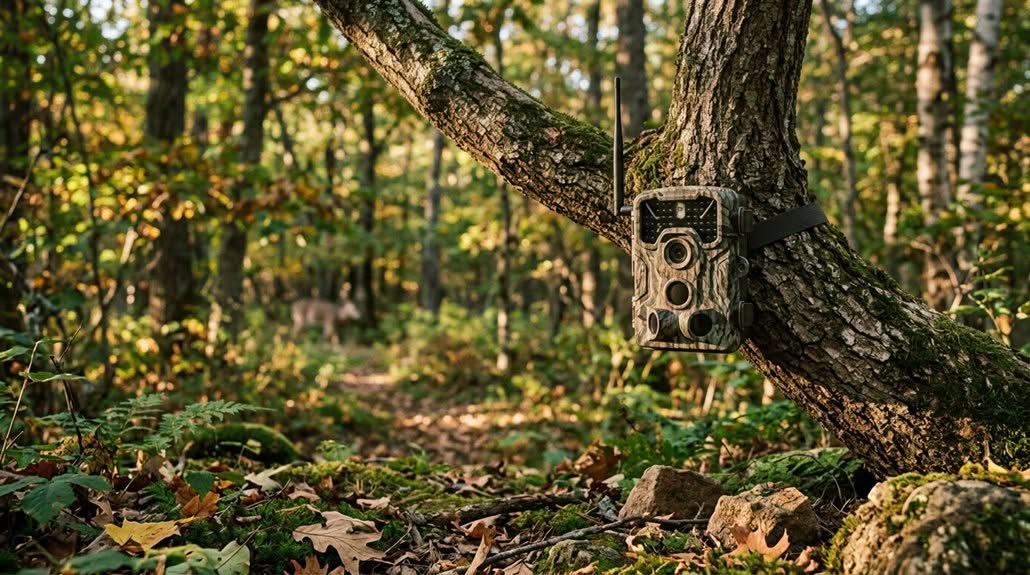
Choosing the right cellular trail camera keeps wildlife monitoring reliable and simple. Models like the Tactacam Reveal X 3.0 or SPYPOINT Flex series stand out because they auto-connect to strong LTE carriers, reducing setup headaches, and transmit images directly without Wi-Fi.
Features such as quick trigger speeds, low-glow IR night vision, and weatherproof design assure consistent performance over months in the field.
But there’s more to evaluate and what truly makes a camera dependable every season?
| Tactacam Reveal X 3.0 Cellular Trail Camera | Best Connectivity | Power Source: Battery powered, with solar options | Resolution: 4K photo / 1080p video | Night Vision Range: 96 feet | VIEW LATEST PRICE | Read Our Analysis | |
| SPYPOINT Flex-M Twin Pack Cellular Trail Cameras | Most User-Friendly | Power Source: Battery powered, with solar support | Resolution: 28 MP photos / 720p video | Night Vision Range: 100 feet | VIEW LATEST PRICE | Read Our Analysis | |
| Moultrie Edge 3 Cellular Trail Camera (2 Pack) | Top For Deer Management | Power Source: Battery powered, rechargeable compatible | Resolution: 40 MP photos / 1080p video | Night Vision Range: 100 feet | VIEW LATEST PRICE | Read Our Analysis | |
| Moultrie Edge 2 Cellular Trail Camera with 4G LTE | Best Integration | Power Source: Battery powered, with solar options | Resolution: 36 MP photos / 1080p video | Night Vision Range: 100 feet | VIEW LATEST PRICE | Read Our Analysis | |
| Wireless 4G LTE Trail Cameras with Night Vision (2 Pack) | AI-Powered Tracking | Power Source: Solar powered, with rechargeable option | Resolution: 40 MP photos / 1080p video | Night Vision Range: 65 feet | VIEW LATEST PRICE | Read Our Analysis | |
| SPYPOINT Flex-S-Dark Solar Trail Camera (40MP Night Vision) | Eco-Friendly Power | Power Source: Built-in solar panel + battery | Resolution: 40 MP photos / 1080p video | Night Vision Range: No-glow LEDs, range unspecified but implied effective | VIEW LATEST PRICE | Read Our Analysis | |
| TKENPRO 4G LTE Trail Cameras 2K Night Vision (2 Pack) | Ultimate Field Range | Power Source: Solar powered, with rechargeable options | Resolution: 2.5K video / 40 MP photos | Night Vision Range: 65 feet | VIEW LATEST PRICE | Read Our Analysis | |
| SPYPOINT Flex-M Solar Cellular Trail Camera Bundle | Best Budget Bundle | Power Source: Battery powered, with solar panel bundle | Resolution: 40 MP photos / 720p video | Night Vision Range: 65 feet | VIEW LATEST PRICE | Read Our Analysis | |
| Moultrie Edge 2 Pro Cellular Trail Camera (4G LTE) | Advanced AI Detection | Power Source: Battery powered, with rechargeable options | Resolution: 40 MP photos / 1440p video | Night Vision Range: 100 feet | VIEW LATEST PRICE | Read Our Analysis | |
| SPYPOINT Flex-Dark Twin Pack Trail Camera (40MP 1080p) | Discreet No-Glow | Power Source: Battery powered, with solar options | Resolution: 40 MP photos / 1080p video | Night Vision Range: No-glow LEDs, range ~100 feet | VIEW LATEST PRICE | Read Our Analysis |
More Details on Our Top Picks
When reliable cellular connectivity is a top priority, the Tactacam Reveal X 3.0 stands out with its integrated multi-carrier LTE system. No worries about swapping SIM cards or getting locked into one network. THIS CAMERA automatically connects to either AT&T or Verizon, depending on which has the stronger signal at your location. That means fewer dead zones and more consistent updates, perfect for remote monitoring.
SETTING IT UP IS A BREEZE: just scan a QR code, download the app, and you’re ready to go. It even has built-in GPS, so tracking its location is always simple.
IT’S IDEAL FOR HUNTERS AND PROPERTY MANAGERS ALIKE, offering peace of mind and real-time alerts.
The SPYPOINT Flex-M Twin Pack cellular trail cameras stand out as some of the most user-friendly options for reliable wildlife monitoring. This twin-pack includes two rugged, outdoor-ready cameras with built-in antennas and preactivated dual-SIM LTE cards, guaranteeing quick setup without carrier hassles. You can photos or videos via the SPYPOINT app, no WiFi needed. AND MANAGE SETTINGS REMOTELY, MAKING WILDLIFE OBSERVATION SIMPLER AND MORE EFFICIENT.
With smart features like motion sensors, night vision, and multiple capture modes, they deliver sharp 28 MP still images and 720p videos promptly. Plus, with optional solar support and affordable plans, these cameras are designed for ongoing, worry-free monitoring.
Ideal for serious deer management, the Moultrie Edge 3 Cellular Trail Camera (2-pack) offers reliable detection and instant alerts, making it a top choice for monitoring wildlife movement patterns. Designed with features like AI Buck Detection to flag just mature bucks and a fast trigger speed of 0.5 seconds, it guarantees you don’t miss key moments.
Its 40MP still images, 1080p HD videos, and low-glow infrared flash make nighttime captures clear and discreet. THE CAMERA CONNECTS SEAMLESSLY TO NATIONWIDE CELL NETWORKS WITHOUT MANUAL SWITCHING, AND ITS GPS KEEPS TRACK OF PLACEMENT, SO YOU ALWAYS KNOW WHERE YOUR CAMERA IS FOCUSED.
Plus, remote control and feeding functions add convenience for wildlife enthusiasts.
Looking for a cellular trail camera with seamless connectivity and user-friendly features? The Moultrie Edge 2 with 4G LTE offers just that. It connects automatically across major U.S. networks thanks to Auto Connect technology, so you won’t be fiddling with SIM cards or contracts.
ITS 36 MP camera captures sharp photos day or night with improved low-light sensor performance. Plus, it streams 1080p HD videos with HD audio, all controlled remotely via the Moultrie Mobile app.
Features include a 100-foot night vision range, waterproof IP65 rating, and built-in 8GB storage. Its compact, lightweight design makes it easy to deploy, and the two-year warranty adds peace of mind.
For wildlife enthusiasts and security professionals alike, the VOOPEAK 4G LTE cellular trail cameras stand out thanks to their AI-powered tracking capability. These dual-pack cameras are designed for outdoor use, boasting a sturdy plastic enclosure and impressive 360-degree view coverage with both high-resolution video (2.5K) and infrared night vision that reaches up to 65 feet.
Wireless operation is straightforward. Connect via a pre-installed SIM card and control remotely through an intuitive app that works on Android. PLUS, THEY’RE SOLAR POWERED, SO NO BATTERIES ARE NEEDED, MAKING THEM IDEAL FOR LONG-TERM SECURITY OR WILDLIFE MONITORING WITHOUT CONSTANT FUSS.
The SPYPOINT Flex-S-Dark Solar Trail Camera stands out for wildlife monitoring enthusiasts who want an eco-friendly power solution that lasts nearly a year. This camera combines a built-in solar panel with an internal battery, eliminating the need for frequent battery changes, up to 11 months of use is possible, plus compatibility with rechargeable lithium packs.
IT CAPTURES STUNNING 40MP PHOTOS AND 1080P VIDEOS WITH SOUND AND FEATURES NO-GLOW LEDs FOR DISCREET NIGHTTIME OPERATION. THE CAMERA AUTOMATICALLY CONNECTS TO CELLULAR NETWORKS VIA THE FREE SPYPOINT APP, OFFERS LIVE STREAMING, AND ALLOWS ON-DEMAND PHOTO REQUESTS.
Its rugged, weatherproof design and easy mount make it reliable for outdoor adventures. Just set up, and let it do the work.
In the domain of reliable wildlife monitoring, the TKENPRO 4G LTE Trail Cameras stand out thanks to their impressive ultimate field range, supported by a built-in SIM card that automatically connects to the strongest 4G network. This makes remote viewing and live streaming straightforward, with the ability for up to three users to access footage simultaneously via a mobile app.
The camera captures sharp 2K videos with bright infrared night vision reaching up to 85 feet, perfect for monitoring in low light. It offers quick 0.2 second trigger speeds, 355° pan, 120° tilt, and a 360-degree viewing angle. Solar-powered, weatherproof, and easy to mount, it’s a practical choice for continuous wildlife observation.
A reliable wildlife monitoring system OFTEN HINGES ON cellular connectivity, AND THE SPYPOINT Flex-M Solar Cellular Trail Camera Bundle OFFERS GREAT VALUE FOR THOSE WANTING TO MONITOR THEIR LAND OR HUNTING SPOTS WITHOUT DRAINING THE WALLET. This kit includes the Flex-M camera, a compact solar panel, installation strap, heavy-duty mounting arm, cables, and a quick start guide—making setup straightforward.
The high-resolution 28 MP photos AND 720p videos with audio PROVIDE CLEAR CAPTURES, WHILE THE Dual-SIM LTE PROVIDES dependable cellular reception without WiFi. Plus, the solar panel AND expandable battery options MEAN FEWER TRIPS FOR BATTERY SWAPS, KEEPING YOUR FOCUS ON WILDLIFE, NOT MAINTENANCE.
For those seeking a cellular trail camera with advanced AI detection, the Moultrie Edge 2 Pro really stands out. It captures stunning 40 MP photos, plus 1440p videos with clear HD audio—perfect for detailed wildlife spotting.
ITS ON-DEMAND CONTROL VIA THE Moultrie Mobile app LETS YOU TRIGGER THE CAMERA REMOTELY, UPDATE SETTINGS, OR CHECK HEALTH. NO MORE TEDIOUS TRIPS INTO THE WOODS.
Thanks to built-in AI, unwanted triggers like swaying branches are eliminated, so you only get images of bucks, does, or humans. And with cellular connectivity, cloud backup, and a sleek night vision range of 100 feet, it packs quite a punch for reliable, smart monitoring.
Looking for a trail camera that excels in discreet nocturnal monitoring? The SPYPOINT Flex-Dark Twin Pack offers 40-megapixel photos and 1080p video with sound, delivering high-quality wildlife captures.
Thanks to no-glow night vision, using no visible light LEDs, it can record activity without spooking animals. ITS detection range spans about 100 feet, and the camera is motion-activated for efficient energy use.
Easy to set up with on-camera controls and a tree mount, it’s built tough with weather resistance and reinforced ghost grey casing. Plus, the twin pack includes SIM cards, SD storage, and a free plan option—perfect for silent, reliable nighttime scouting.
When choosing a cellular trail camera, it’s essential to consider several key factors that affect performance and ease of use. Connectivity options like 4G or LTE determine how quickly and reliably you can receive images. BAsic battery life guarantees ensure your camera stays active during long monitoring periods.
Additionally, features such as app control, weatherproofing, and image quality standards can make all the difference in getting clear, useful photos in various conditions.
Choosing the right cellular trail camera largely hinges on how well it stays connected in the field. Opt for models that offer auto-connect multi- or four-carrier LTE, which means the camera can switch seamlessly between networks like AT&T, Verizon, or others, picking the strongest signal.
Many quality options include an integrated, preactivated SIM, which minimizes user error and guarantees consistent connectivity without hassle. Look for cameras that transmit photos and videos via app-based LTE, eliminating the need for Wi-Fi and making it ideal for remote spots.
Some models also feature GPS and cell behavior that display their location within apps, useful for remote setup or troubleshooting. Finally, consider data plans; plans range from free tiers with a limited number of photos to unlimited options. Knowing your needs here saves frustration later.
Battery life guarantees are a key factor when selecting cellular trail cameras, especially if your monitoring sites are remote or hard to access regularly. You want models that promise long runtimes, like “up to 6+ months,” since frequent visits may not be feasible. Look for clear, specific battery-life ranges rather than vague claims, as actual performance depends on usage.
FOR SOLAR-ASSISTED UNITS, CONFIRM WHETHER THE “BATTERY LIFE” MEANS EXTENDED AUTONOMY WHILE THE SOLAR PANEL CHARGES. CHECK FOR INTERNAL BATTERIES OR RECHARGEABLE PACKS TO MAXIMIZE LONGEVITY.
Also, note if the camera needs batteries at all or if it can operate without them. Some rely on built-in or rechargeable options that reduce maintenance. And if power accessories are supported, make sure they are compatible to get the most out of your investment.
Achieving the right image quality from a cellular trail camera is key to making certain your wildlife monitoring is both effective and enjoyable. Higher photo resolutions, like 36 MP or even 40 MP, offer sharper images and better cropping options—essential for identifying details or capturing close-ups. When it comes to video, resolutions such as 2K or 4K provide crisp visuals, but check if the effective resolution matches your needs for clear footage.
NIGHT IMAGING FEATURES ARE CRUCIAL. LOW-GLOW IR REDUCES DISTURBANCE, WHILE A STRONG NIGHT VISION RANGE OF 65 TO 100 FEET MAKES SURE YOU CAPTURE NOCTURNAL ACTIVITY. AND DON’T FORGET AUDIO CAPABILITIES—SOUND ADDS CONTEXT TO VIDEO. FINALLY, VIEWING ANGLES OF 50 TO 60 DEGREES AND AUTO-FOCUS FUNCTIONS HELP KEEP MOVING SUBJECTS SHARP IN BOTH DAYTIME AND DARKNESS.
Have you ever wished you could control your trail camera from your phone without climbing into the woods or dealing with complicated setups? Good news: modern apps make it possible. Look for apps supporting remote viewing and instant alerts, so you can see photos or videos immediately when something triggers the camera.
Remote management tools are also handy, letting you update settings or check battery and camera health without a trip into the field. If you’re setting up in tricky spots, prioritize apps with live “aim/preview” features that show you exactly where the camera points, reducing guesswork.
Also, check on-demand capture options, allowing you to request a photo or video outside scheduled uploads. And finally, filtering tools based on species or AI classification streamline alerts, helping you focus on what really matters.
When choosing a cellular trail camera, durability and weatherproofing should be top priorities, especially if you plan to leave it out in the elements for weeks or even months. You want a camera with clear weatherproof ratings, such as IP65, which provides protection against dust and water jets. This makes it perfect for rainy days. Look for models with rugged housings, like durable plastic enclosures, that can withstand harsh conditions.
CONSIDER POWER OPTIONS SUCH AS SOLAR COMBINED WITH INTERNAL BATTERIES, WHICH REDUCE MAINTENANCE AND KEEP YOUR CAMERA RUNNING LONGER IN BAD WEATHER. Discreet night support features like low-glow or no-glow infrared flashes help keep your setup hidden and protected from the elements at night. Also, check if the operating temperature range matches your environment. Ideally, it should be from -20°C to 50°C to ensure reliable performance without surprises.
Traversing the world of cellular trail cameras means understanding their data plans and costs, which can get surprisingly complex. Some models include a free transmission allowance, such as 100 photos per month, before charges kick in. After that, it’s essential to compare plans with options like $5 monthly for 250 photos or $15 for unlimited uploads.
REMEMBER, EACH CAMERA NEEDS A SEPARATE CELLULAR PLAN—ONE PER DEVICE—SINCE SHARING TOP-UPS IS RARELY POSSIBLE. Also, consider how photos and videos are sent; some cameras don’t need Wi-Fi and offer a cap on monthly uploads, while others rely on unlimited plans or cloud storage, which can impact your budget.
Planning for setup and activation timing, such as trial periods with free unlimited data, helps avoid surprises during your monitoring season.
Cellular trail cameras can influence wildlife behavior mainly through their presence and activity. Animals might become cautious around these devices, especially if they’re bright, noisy, or frequently triggered. HOWEVER, WELL-PLACED CAMERAS WITH MINIMAL DISTURBANCE CAN REDUCE THIS IMPACT.
Over time, animals often acclimate, behaving naturally. To avoid disrupting wildlife, place cameras quietly, use camouflage, and avoid frequent human checks. This way, you balance wildlife observation with respectful monitoring.
Cellular trail camera batteries are like silent watchers, quietly lasting from 2 to 6 months, depending on usage. Most models use high-capacity lithium batteries, usually 8 to 12 AA batteries, that provide steady power for capturing images and sending data. Some cameras feature power-saving modes, extending life further.
KEEP IN MIND, frequent uploads or use in cold weather can shorten this lifespan, so plan accordingly to make certain your camera remains alert.
Cellular trail cameras have varying security features, but no system is completely theft-proof. They often include options like camouflage, sturdy weatherproof housings, and hidden placement to deter theft.
FOR ADDED SAFETY, some models offer lockboxes or security cables to secure the device firmly to a tree or post. REMEMBER, placing cameras out of sight and in less accessible spots can markedly reduce the chance of theft, making your wildlife monitoring efforts more secure.
Cellular trail cameras can operate effectively in extreme weather, but selecting the right model is key. Look for features like waterproof, usually rated IP66 or higher, temperature resilience, working well from -20°F to 140°F, and sturdy build materials.
Heavy-duty cases and thermal shields help protect against snow, rain, or intense heat. Proper placement and maintenance help these cameras keep capturing wildlife, come rain or shine, without missing a moment that could be important-worthy!
The data plan cost varies by camera brand and carrier, typically ranging from $5 to $50 per month. Basic plans usually cover a few hundred photos or videos, ideal for casual monitoring.
More extensive plans, suitable for constant updates or large areas, may offer unlimited data. SOME CAMERAS INCLUDE PLANS IN THE PURCHASE PRICE, WHILE OTHERS REQUIRE A SEPARATE SUBSCRIPTION, SO COMPARE OPTIONS CAREFULLY BEFORE CHOOSING.


