
Newsletter Subscribe
Enter your email address below and subscribe to our newsletter

All voices matter
All voices matter

 ByTravis
Bow season dates vary by state, typically running from late August through January for deer - check your state wildlife agency's website or app for exact dates.
Affiliate Disclaimer: We are a participant in the Amazon Services LLC Associates Program, an affiliate advertising program designed to provide a means for sites to earn advertising fees by advertising and linking to Amazon.com. As an Amazon Associate I earn from qualifying purchases. We also participate in other affiliate programs.

Bow season dates vary significantly by state, typically running from late August through January for deer, with most states opening in September or October. To find your specific state’s bow season dates, visit your state wildlife agency’s official website or download their mobile hunting app, where current-year regulations are published 3-6 months before the season opens. Dates change annually based on biological data, so always verify the current year’s schedule rather than relying on previous seasons.
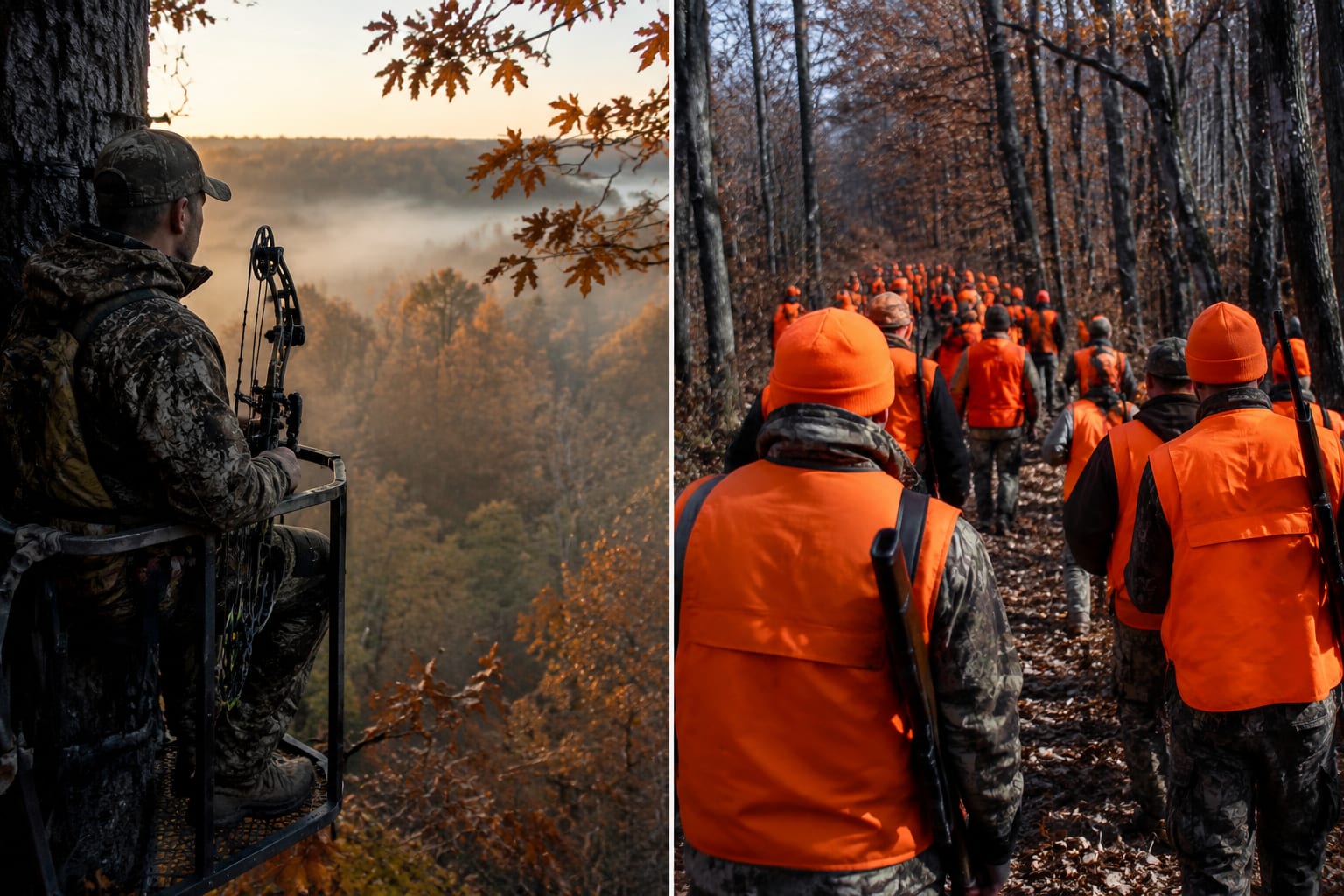
Bow season is a designated period when hunters may legally pursue deer using archery equipment including compound bows, recurve bows, longbows, and crossbows (where permitted). This season is established by state wildlife agencies as part of comprehensive deer management programs that balance harvest goals with population sustainability.
During bow season, hunters must use equipment that meets specific draw weight, arrow length, and broadhead requirements defined by state regulations. Most states set minimum draw weights between 30-40 pounds for deer hunting to ensure ethical, lethal shots.
Key characteristics of bow season include:
Bow season exists separately from muzzleloader and modern gun seasons, each with distinct dates and regulations. Some states structure their seasons with multiple archery phases, including early and late bow seasons that bracket the gun season.
Finding accurate bow season dates requires consulting your state wildlife agency’s official resources. Each state publishes an annual hunting regulations digest that contains all legal season dates, bag limits, and equipment requirements.
Follow these steps to find your state’s bow season dates:
Visit your state wildlife agency website – Search for “[Your State] Department of Natural Resources” or “[Your State] Fish and Wildlife” to find the official agency site.
Navigate to the hunting regulations section – Look for links labeled “Hunting,” “Regulations,” “Season Dates,” or “Hunting Digest.”
Download the current year’s hunting digest – Most states offer PDF downloads of complete regulation booklets, typically 50-100 pages with all species and seasons.
Check the deer hunting section – Bow season dates are listed under deer or big game hunting, usually in a table format organized by zone or county.
Note your specific hunting zone – Many states divide regions into zones with different dates; confirm which zone applies to your hunting location.
Verify any special seasons – Some areas have youth-only, landowner, or urban archery seasons with different dates.
Reliable official sources by state include:
Never rely on third-party hunting forums, social media posts, or outdated websites for legal season dates. Regulations change annually, and hunting during closed season carries serious legal consequences.

Bow season typically begins between late August and early October across most U.S. states, with September being the most common opening month. Northern states tend to open earlier (late August to mid-September), while southern states often start in October when temperatures cool.
Regional bow season timing patterns:
Northern States (Minnesota, Wisconsin, Michigan, New York):
Midwest States (Illinois, Indiana, Ohio, Iowa):
Southern States (Alabama, Georgia, Mississippi, Texas):
Western States (Montana, Wyoming, Colorado):
Northeastern States (Pennsylvania, Maine, Vermont):
The specific opening date within these windows varies annually. Wildlife biologists adjust dates based on deer population surveys, harvest data from previous years, and biological factors like fawn recruitment rates and herd health metrics.
Official bow hunting season dates are published exclusively by state wildlife management agencies, which operate under different names depending on the state. These agencies are the sole legal authority for establishing and communicating hunting regulations.
Primary official sources for bow season dates:
State Wildlife Agency Websites:
Official Mobile Applications:
Most states now offer free hunting apps with real-time regulation access, license purchasing, and harvest reporting features. Examples include:
Printed Regulation Digests:
Available free at:
Direct Agency Contact:
What to avoid:
When accessing official sources, always verify you’re viewing the current hunting year. Most states operate on a license year that runs from April 1 or July 1, so a “2026-2027” season may include hunts occurring in both calendar years.
Bow season and gun season differ fundamentally in timing, duration, equipment requirements, hunter density, and management objectives. Understanding these differences helps hunters choose which season aligns with their skills and preferences.
Equipment and Effective Range:
Season Length:
Timing and Deer Behavior:
Hunter Density:
Harvest Success Rates:
Management Goals:
Common mistake: Assuming bow season is “easier” because it’s longer. The extended duration compensates for the difficulty of getting close-range shots with archery equipment. Success requires more time investment, scouting, and woodsmanship skills than gun hunting.
Yes, bow season dates change in most states on an annual basis, though the adjustments are often minor (shifting by a few days to a week). State wildlife agencies review and set new dates each year based on biological data, harvest objectives, and calendar considerations.
Factors that influence annual date changes:
Biological Considerations:
Calendar Alignment:
Weather and Climate Patterns:
Harvest Management:
How much dates typically change:
When new dates are announced:
Most states follow a predictable annual cycle:
Best practice: Check your state’s bow season dates every year in late spring or early summer, even if you’ve hunted the same area for decades. Never assume dates remain constant from year to year.
Hunting outside legal season dates is a serious wildlife violation that carries substantial penalties including fines, license revocation, equipment confiscation, and potential criminal charges. State wildlife agencies enforce season dates strictly to maintain sustainable deer populations and ensure fair chase principles.
Legal consequences of hunting during closed season:
Financial Penalties:
License and Privilege Suspension:
Equipment Forfeiture:
Criminal Charges:
Additional Consequences:
Common scenarios that result in violations:
If you make an honest mistake: Contact your state wildlife agency immediately. Self-reporting may reduce penalties, though violations still carry consequences. Conservation officers distinguish between intentional poaching and genuine confusion, but ignorance of regulations is not a legal defense.
In most states, bow season dates are identical for public and private land, with both following the same statewide or zone-specific calendar. However, some states offer special seasons or extended opportunities on specific land types as part of targeted deer management programs.
Standard approach (most states):
Bow season opens and closes on the same dates regardless of land ownership. A hunter with proper licenses can hunt public state forests, private land (with permission), and their own property during the same legal season window.
States with different public/private seasons:
Urban Archery Seasons:
Many states offer extended archery seasons in designated urban or suburban areas where firearm discharge is prohibited but deer populations require management. These seasons often:
Wildlife Management Area (WMA) Specific Seasons:
Some public hunting areas have unique season structures:
Private Land Incentive Programs:
A few states offer landowners special early or late archery seasons as incentives for:
Examples of different season structures:
What hunters need to verify:
Common mistake: Assuming that because you have private land permission, you can hunt whenever you want. Private land is still subject to state season dates unless specifically exempted under special management programs.
Most states require a base hunting license plus an additional archery permit, stamp, or privilege to hunt during bow season. The specific licensing structure varies by state, but nearly all jurisdictions distinguish between archery and firearm hunting privileges.
Common licensing requirements for bow season:
Base Hunting License:
Archery Permit or Stamp:
Deer Permit or Tag:
Hunter Education Certification:
Federal Duck Stamp (if hunting on federal land):
Licensing structures by state approach:
Separate Archery License Model (e.g., Wisconsin, Michigan):
Unified License with Weapon Choice (e.g., Pennsylvania, New York):
Stamp/Permit Add-On Model (e.g., Illinois, Iowa):
Where to purchase licenses:
Important considerations:
Bow season opens before gun season primarily to provide archery hunters with extended opportunity while minimizing the impact on overall deer populations. This timing structure reflects both biological management principles and the recognition that archery hunting requires more time to achieve success due to equipment limitations.
Management and biological reasons:
Lower Harvest Pressure:
Archery hunting has significantly lower success rates (15-25%) compared to firearm hunting (30-50%), allowing wildlife managers to offer longer seasons without exceeding harvest objectives. The extended duration compensates for the difficulty of close-range bow shots.
Rut Timing Advantage:
Early bow season dates often coincide with pre-rut and peak rut periods (October-November in most regions) when bucks are more active, visible, and vulnerable. This timing gives bowhunters access to optimal hunting conditions that balance opportunity with challenge.
Reduced Disturbance:
Lower hunter density during bow season means less pressure on deer populations. This allows deer to maintain more natural movement patterns, which benefits both the hunting experience and population health.
Selective Harvest:
Archery hunting tends to be more selective, with hunters passing on marginal shots and waiting for ideal opportunities. This selectivity aligns with quality deer management goals in many states.
Historical and cultural reasons:
Traditional Hunting Methods:
Archery hunting is recognized as a more primitive, challenging method that requires greater skill and woodsmanship. Many states honor this tradition by providing dedicated seasons that reward the additional effort.
Hunter Recruitment:
Separate bow seasons create distinct hunting cultures and communities, helping recruit and retain hunters who prefer the solitude and challenge of archery over firearm hunting.
Political and Stakeholder Balance:
Archery organizations and bowhunting advocacy groups have successfully lobbied for dedicated seasons, arguing that the specialized skills and equipment justify separate opportunity.
Practical advantages of early bow season:
What this means for hunters:
Bowhunters willing to invest time in scouting, practice, and woodsmanship skills gain access to 2-4 months of hunting opportunity, often during the most productive periods of deer activity. The early timing is a privilege earned through the limitations of archery equipment.
Even experienced hunters make errors with bow season dates that can result in missed opportunities, legal violations, or unsuccessful hunts. Understanding these common mistakes helps ensure compliance and maximizes hunting success.
Assuming dates are the same as last year:
The most frequent mistake is not checking current-year regulations. Even if dates change by only a few days, hunting on the wrong day is still illegal. Always verify dates annually, even for familiar hunting areas.
Confusing zone or county boundaries:
Many states divide regions into multiple zones with different season dates. Hunters sometimes:
Misunderstanding season structure:
Some states split bow season into multiple segments (early archery, late archery) separated by gun season. Hunters may:
Ignoring time-of-day restrictions:
Legal hunting hours are typically defined as 30 minutes before sunrise to 30 minutes after sunset, but these times:
Overlooking special area regulations:
Wildlife Management Areas, state parks, and urban zones often have:
Not accounting for license year vs. calendar year:
Many states operate on license years (e.g., April 1-March 31) that don’t align with calendar years. Hunters sometimes:
Relying on third-party sources:
Using hunting forums, social media, or generic hunting websites for season dates instead of official state sources leads to:
Forgetting about harvest reporting deadlines:
Many states require harvest reporting within 24-72 hours. Missing these deadlines can:
How to avoid these mistakes:
State wildlife agencies typically announce bow season dates 3-6 months before the season opens, with most states publishing final regulations between April and July for fall hunting seasons. This timeline allows hunters adequate time to plan, purchase licenses, scout locations, and prepare equipment.
Typical announcement timeline:
January-February:
March-April:
May-June:
July-August:
Why the long lead time is necessary:
Biological Review:
Setting appropriate season dates requires analyzing complex data including:
Public Input Process:
Most states are legally required to:
Administrative Requirements:
Practical considerations include:
Interstate Coordination:
Some neighboring states coordinate season timing to:
When to check for next year’s dates:
States with earlier announcements:
A few states publish dates earlier in the year:
States with later announcements:
Some states don’t finalize dates until late summer:
Pro tip: Sign up for email alerts or newsletters from your state wildlife agency. Most agencies send automatic notifications when new regulations are published, ensuring you receive dates as soon as they’re official.
Turkey and deer bow seasons operate on completely separate schedules with different timing, duration, and management objectives. Most states offer both spring and fall turkey seasons, while deer bow season is primarily a fall activity, creating distinct hunting opportunities throughout the year.
Spring turkey bow season:
Typical timing: March through May (varies by state and zone)
Season structure:
Why spring turkey season exists:
Fall turkey bow season:
Typical timing: October through November (varies by state)
Season structure:
Key differences between turkey and deer bow seasons:
Bag Limits:
Hunting Methods:
License Requirements:
Success Rates:
Equipment Considerations:
Can you hunt both simultaneously?
Many states allow hunters to pursue both species during overlapping fall seasons, but regulations vary:
Dual-purpose hunts allowed:
Restrictions in some states:
Best practice:
Check your state’s specific regulations regarding:
Planning your season:
Understanding the separate timing of turkey and deer bow seasons allows hunters to:
Can I use a crossbow during bow season?
Crossbow regulations during bow season vary significantly by state. Some states allow crossbows for all hunters during archery season, while others restrict them to hunters with disabilities, hunters over a certain age (often 60-65), or prohibit them entirely during bow season. A few states have separate crossbow seasons distinct from traditional archery seasons. Check your specific state’s regulations, as crossbow legality is one of the most variable aspects of bow season rules.
What is the earliest bow season opening date in the United States?
South Carolina typically has one of the earliest bow season openings, with archery season beginning in mid-August in some zones. Several western states including Montana and Idaho also open bow seasons in late August for specific hunting units. The earliest dates are usually found in states with longer growing seasons or high-elevation areas where hunting conditions are favorable earlier in the fall.
Do I need to wear blaze orange during bow season?
Blaze orange requirements during bow season are less common than during gun season, but some states do require it. Approximately 15-20 states mandate some form of blaze orange during archery season, typically requiring a hat or vest with a minimum number of square inches of fluorescent orange. Requirements often increase during overlapping seasons when both archery and firearm hunters are in the field. Always verify your state’s specific requirements, as they may also vary by hunting location (public vs. private land).
Can I hunt on Sundays during bow season?
Sunday hunting laws vary by state and are changing rapidly as more states lift traditional Sunday hunting bans. As of 2026, most states allow Sunday hunting during bow season, but several eastern states including Virginia, North Carolina, and Pennsylvania have partial restrictions or county-by-county variations. Some states permit Sunday bow hunting but prohibit Sunday gun hunting. Check your state’s current regulations, as Sunday hunting laws have been expanding in recent years.
What happens if I wound a deer on the last day of bow season?
Most states allow a reasonable tracking period beyond season closing time or even into the next day if you can demonstrate you made a legal shot during legal hours. However, specific rules vary: some states require you to report the situation to a conservation officer before continuing tracking after season closes, while others set specific time limits (such as until midnight or sunrise the next day). The key is that the shot must occur during legal season and shooting hours. Document the time of your shot and blood trail in case you need to explain the situation to law enforcement.
Are bow season dates different for youth hunters?
Many states offer special youth-only bow hunting days or weekends, typically scheduled immediately before the regular bow season opens. These youth seasons usually run 1-2 days and are restricted to hunters under age 16 or 18 (varies by state) accompanied by a licensed adult. Youth hunters can also participate in the regular bow season. Some states also offer reduced-price youth licenses and more generous bag limits to encourage youth participation in hunting.
Can I scout my hunting area during closed season?
Yes, scouting during closed season is legal and encouraged in all states. You can access both public and private land (with permission) to hang tree stands, set up trail cameras, identify deer patterns, and prepare hunting locations. However, you cannot carry weapons or hunting equipment that might suggest you’re hunting, and you must still follow all trespassing laws. Some Wildlife Management Areas have specific rules about when tree stands can be placed or may prohibit leaving stands overnight, so check area-specific regulations.
Do bow season dates apply to all deer species?
In states with multiple deer species (such as white-tailed deer, mule deer, and blacktail deer), bow season dates may differ by species. Western states often have separate seasons for mule deer and white-tailed deer with different opening dates, bag limits, and zone structures. Some states also distinguish between deer and elk bow seasons, even though both are cervids. Always verify which species your license and season dates apply to, especially when hunting in areas where multiple deer species overlap.
What if my state’s bow season overlaps with gun season?
Some states structure their seasons so that bow season continues through gun season, while others close bow season when gun season opens and then reopen a late archery season afterward. When bow and gun seasons overlap, additional safety requirements often apply, such as mandatory blaze orange for all hunters regardless of weapon choice. Some states restrict archery hunters to specific zones or management areas during gun season to reduce conflicts and improve safety.
How do I find bow season dates for hunting on federal land?
Hunting on federal land (National Forests, Bureau of Land Management land, National Wildlife Refuges) follows the state season dates for the state where the federal land is located. However, individual federal properties may have additional restrictions, permit requirements, or closures. Check both your state wildlife agency regulations and the specific federal land unit’s hunting regulations. Some National Wildlife Refuges require special permits or have quota hunts with different dates than the statewide season.
Are there any states without bow season?
All 50 states offer some form of bow hunting opportunity for deer, though the season structure, length, and timing vary dramatically. Even states with small deer populations or limited hunting opportunities provide archery seasons. However, some states have very restrictive seasons (only a few weeks) or limit bow hunting to specific zones. Hawaii has the most limited deer hunting opportunities due to its unique island ecology and introduced deer species.
Can I use lighted nocks during bow season?
Lighted nock legality varies by state. Most states now allow lighted nocks during bow season, recognizing them as a recovery aid rather than an unfair advantage. However, a handful of states still prohibit them, classifying lighted nocks as electronic devices. Some states that allow lighted nocks prohibit other lighted accessories like lighted sights or arrow wraps. Check your state’s equipment regulations, which are usually listed in the archery hunting section of the regulations digest.
Understanding when bow season opens in your state and how to find accurate, current dates is essential for legal and successful archery hunting. Bow season dates vary significantly across states and change annually based on biological data, making it critical to consult official state wildlife agency sources every year rather than relying on memory or third-party information.
The extended duration of bow season, typically running 2-4 months from late summer through winter, provides archery hunters with substantial opportunity to pursue deer during optimal periods of activity. This timing advantage, combined with lower hunter density and access to pre-rut and rut periods, makes bow season a premier hunting experience for those willing to develop the specialized skills archery hunting requires.
Take these action steps now:
By staying informed about bow season dates and regulations, you ensure compliance with wildlife laws, maximize your hunting opportunities, and contribute to sustainable deer management. The time invested in understanding your state’s specific bow season structure pays dividends in both legal protection and hunting success throughout the season.


