
Newsletter Subscribe
Enter your email address below and subscribe to our newsletter
All voices matter
All voices matter

 ByTravis
Getting started in archery typically costs - for beginners, depending on whether you choose a recurve or compound setup and buy new or used gear.
Affiliate Disclaimer: We are a participant in the Amazon Services LLC Associates Program, an affiliate advertising program designed to provide a means for sites to earn advertising fees by advertising and linking to Amazon.com. As an Amazon Associate I earn from qualifying purchases. We also participate in other affiliate programs.

Getting started in archery typically costs between $150 and $600 for beginners, depending on whether you buy new or used equipment and which bow type you choose. A basic recurve bow setup with essential accessories runs $150-$300, while an entry-level compound bow package costs $300-$600. Additional expenses include range fees ($10-$20 per session or $100-$300 annual membership), optional lessons ($30-$75 per hour), and ongoing costs like replacement arrows and maintenance supplies.
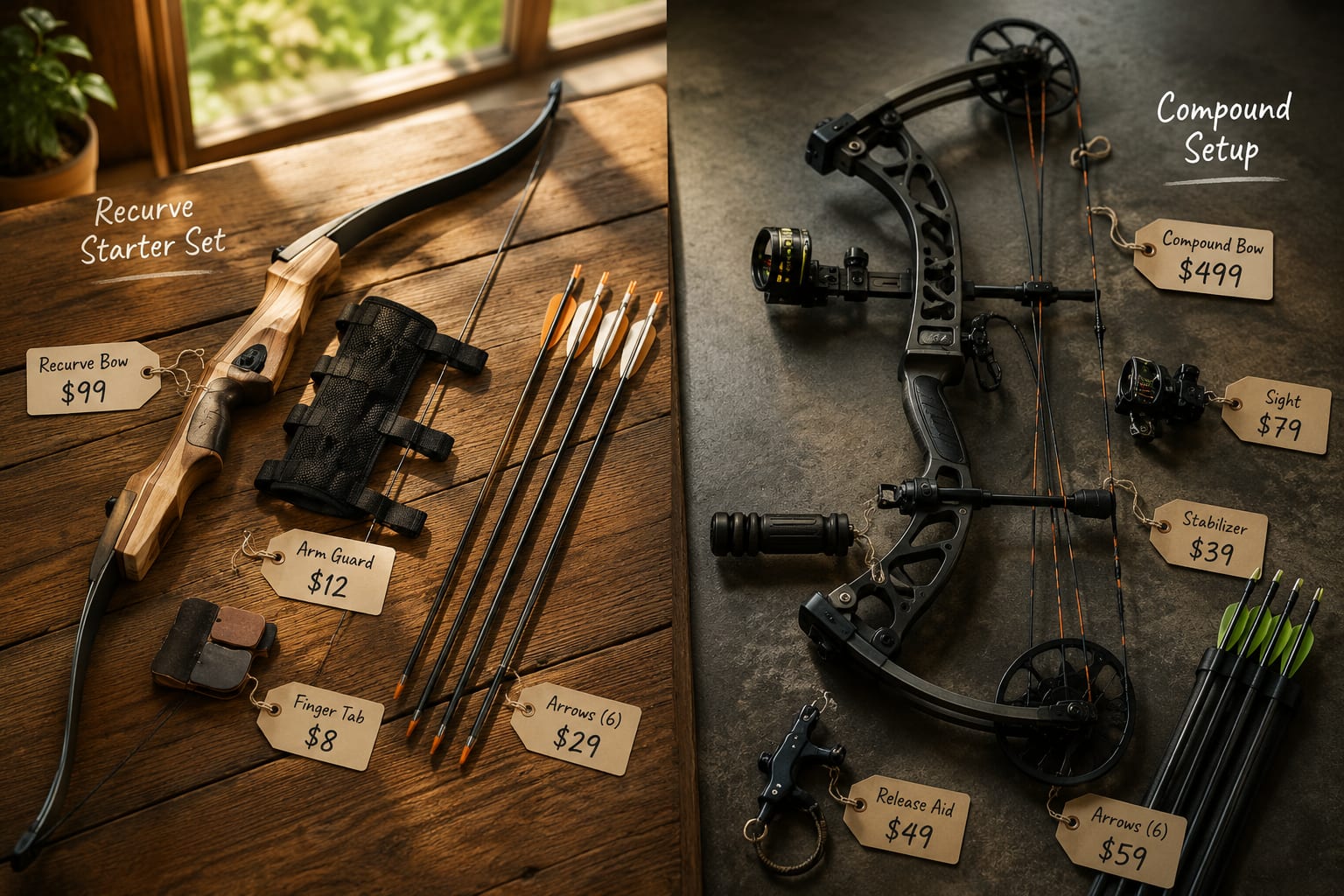
The absolute minimum to start archery is approximately $150-$200 if you’re strategic about purchases and willing to buy used equipment. This budget covers a basic recurve bow, a half-dozen arrows, essential safety accessories, and initial range access.
Here’s what a bare-minimum setup looks like:
This budget assumes you’ll practice at a public range or archery club that provides targets. Many clubs also offer equipment rental programs for $10-$20 per session, which lets you try archery before committing to purchases.
Choose this minimal approach if you want to test whether archery suits you before investing more, or if you’re a younger archer who may outgrow equipment quickly. However, be aware that very cheap equipment can be frustrating to use and may not last beyond your first season.
Common mistake: Buying the cheapest bow available online without considering draw weight or length. A bow that doesn’t fit properly makes learning difficult and can cause injury.
Beginner bows range from $100 to $500 depending on type, quality, and whether you buy new or used. Entry-level recurve bows cost $100-$200 new, while beginner compound bows run $250-$500 for complete packages.
Recurve bow pricing breakdown:
Compound bow pricing breakdown:
Most archery shops sell “ready-to-shoot” packages that include the bow, arrows, basic accessories, and sometimes a sight or stabilizer. These packages typically cost 15-20% less than buying components separately.
Choose a recurve bow if you want simpler maintenance, lower initial cost, or plan to try Olympic-style target archery. Choose a compound bow if you’re interested in hunting, want easier draw and hold, or prefer mechanical precision.
Recurve bows are significantly cheaper to start with, costing $150-$300 for a complete beginner setup compared to $300-$600 for compound bows. However, the cost difference narrows over time as recurve archers often upgrade components more frequently.
| Cost Factor | Recurve Bow | Compound Bow |
|---|---|---|
| Initial bow cost | $100-$200 | $250-$500 |
| Essential accessories | $50-$100 (finger tab, arm guard, quiver) | $100-$200 (release aid, sight, stabilizer, quiver) |
| Arrows (6-12) | $40-$80 | $60-$120 |
| Annual maintenance | $30-$60 (string replacement, wax) | $50-$100 (string/cable service, tuning) |
| Total first-year cost | $220-$440 | $460-$920 |
Recurve advantages: Lower entry cost, simpler to maintain yourself, easier to transport, and you can upgrade limbs without replacing the entire bow (saving $100-$200 when you need more draw weight).
Compound advantages: Easier to hold at full draw (important for hunting and precision), more forgiving of minor form errors, and typically requires fewer upgrades as you improve since draw weight is adjustable on most models.
Edge case: If you’re specifically interested in traditional archery or Olympic recurve shooting, compound bows won’t meet your needs regardless of cost. Similarly, bowhunters in most regions need compound bows to meet legal draw weight requirements.
Beyond the bow itself, you need arrows, safety gear, and accessories that cost an additional $100-$250 for a complete beginner setup. These items aren’t optional, they’re essential for safe practice and proper technique development.
Mandatory equipment:
Arrows ($40-$100 for 6-12 arrows)
Arm guard ($10-$25)
Finger protection ($8-$50)
Quiver ($15-$40)
Highly recommended additions:
Common mistake: Buying arrows that don’t match your bow’s specifications. Arrow spine (stiffness) must correspond to your draw weight, or arrows will fly erratically. Most archery shops will help you select properly matched arrows, take advantage of this service.
Yes, buying used equipment can reduce your initial investment by 40-60%, and many archery clubs offer rental programs that let you start for under $50. These alternatives are particularly smart for beginners who aren’t sure about long-term commitment.
Used equipment sources:
What to check when buying used:
Rental and try-before-you-buy options:
Many archery ranges and clubs offer equipment rental for $10-$20 per session. Some have “intro packages” where you can rent equipment for a month ($40-$80) with the rental fee applied toward purchase if you decide to buy.
Choose used equipment if you’re budget-conscious, trying archery for the first time, or buying for a child who will outgrow equipment quickly. Avoid used equipment if you can’t inspect it in person or the seller can’t provide basic specifications like draw weight and length.
Edge case: Very old compound bows (15+ years) may be difficult to service because replacement parts are no longer manufactured. Stick with models from the last 5-10 years for used compounds.
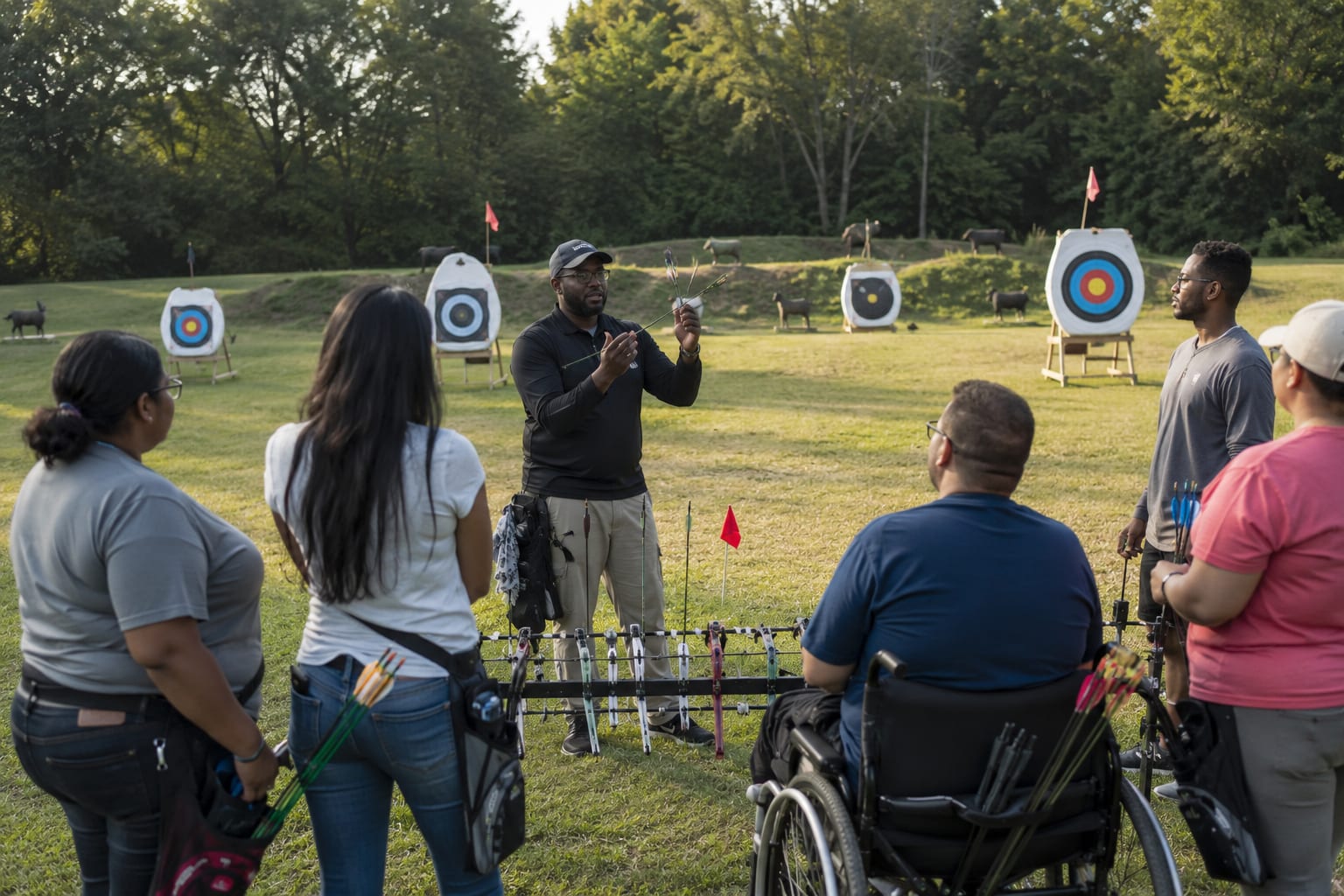
Archery lessons range from $30 to $75 per hour for private instruction, while group classes cost $15-$40 per session. Many beginners spend $120-$300 on initial instruction, though lessons aren’t mandatory if you have access to experienced archers who can teach basics.
Lesson pricing breakdown:
What you get in lessons:
Do you need lessons? Not strictly required, but highly recommended. Self-taught archers often develop form problems that limit accuracy and can cause injury. Even 2-3 sessions with a qualified instructor ($100-$200 total) will accelerate your progress significantly.
Money-saving alternatives:
Choose formal lessons if you’re serious about competitive archery, have no access to experienced archers, or want to ensure you learn correct form from the start. Skip lessons if you have a knowledgeable friend or club mentor willing to teach you, or if you’re just trying archery casually.
Archery falls in the moderate price range for sports hobbies, with first-year costs ($400-$800 including equipment, range access, and some instruction) comparable to cycling or rock climbing but less than golf, skiing, or equestrian sports.
Cost comparison with similar sports:
Less expensive than archery:
Similar cost to archery:
More expensive than archery:
Ongoing annual costs for archery (after initial equipment purchase):
Archery’s advantage is that equipment lasts years with proper care, and you don’t need expensive facilities or travel. Once you own your gear, practice costs are minimal compared to sports requiring course fees, lift tickets, or facility rentals.
Archery is worth the investment if you enjoy precision sports, want a lifetime activity that doesn’t require peak physical fitness, or appreciate the meditative aspects of repetitive practice.
The most common and costly mistake is buying a bow with too high a draw weight, which makes learning proper form nearly impossible and often leads to injury. Beginners should start with 15-25 pounds for recurve bows and 30-40 pounds for compound bows, even though this feels light.
Top purchasing mistakes to avoid:
Overestimating strength needs (affects 60-70% of beginners)
Buying bow without professional fitting
Skipping essential safety gear to save money
Buying mismatched arrows
Purchasing “toy” bows from big-box stores
Ignoring used equipment from reputable sources
Decision rule: If you’re unsure about any equipment purchase, visit an archery pro shop for advice before buying online. The expertise is free, and most shops will match online prices for customers who get fitted there.
Yes, you can start archery for under $200 by purchasing a used recurve bow setup or an entry-level package and practicing at ranges that provide targets. This budget requires careful shopping but is entirely feasible for beginners who want to learn proper technique.
Sample $200 budget breakdown:
How to maximize a tight budget:
What this budget won’t include:
This approach works if you’re committed to learning but need to minimize upfront investment, or if you’re buying for a young person who may not stick with the sport. You can always upgrade components as your skills and budget grow.
This approach doesn’t work if you need a compound bow (minimum $250-$300 for usable equipment) or want to start with competition-grade gear.
You don’t need to join a club to practice archery, but club membership ($100-$300 annually) provides significant value through range access, coaching, social community, and equipment support. Home practice is possible if you have adequate space and follow safety regulations.
Archery club benefits:
Home practice requirements:
Public range options:
Choose club membership if you want structured learning, need indoor winter practice, value community, or lack adequate home space. Practice at home if you have proper space, prioritize convenience and privacy, and have basic archery knowledge for self-directed practice.
Safety warning: Never practice archery in suburban yards without proper backstops. Arrows can travel 200+ yards and cause serious injury or property damage. When in doubt, use established ranges.
Annual archery maintenance costs $50-$150 for recreational archers, covering string replacement, arrow repairs, and basic supplies. This is significantly lower than most sports equipment maintenance because bows have few moving parts and, with proper care, last decades.
Typical annual maintenance expenses:
For recurve bows:
For compound bows:
Preventive maintenance that saves money:
Unexpected costs to budget for:
Cost-saving tip: Learn basic maintenance tasks yourself. String waxing, nock replacement, and fletching repair are simple skills that save $20-$40 per year in shop fees. Many clubs offer maintenance workshops for members.
Compared to sports like cycling (tune-ups, tire replacement), skiing (edge sharpening, waxing), or golf (club regripping, ball costs), archery maintenance is remarkably affordable.
Archery is excellent for casual hobbyists because it’s accessible at any skill level, doesn’t require peak fitness, and provides meditative stress relief alongside physical activity. You don’t need competitive aspirations to enjoy and benefit from regular archery practice.
Why archery works for casual participation:
Realistic expectations for casual archers:
Cost-benefit analysis for hobbyists:
Archery is worth it for casual hobbyists if you enjoy precision activities, want a sport that accommodates varying fitness levels, or need a hobby that combines physical and mental challenge. It’s particularly appealing for people who dislike team sports or high-impact activities.
Consider alternatives if you need intense cardiovascular exercise, prefer team dynamics, or want a sport with more social interaction (though club archery does provide community).
Hidden costs in archery typically add $100-$300 to your first-year budget and include target materials, arrow loss, equipment storage, and unexpected upgrades. Being aware of these expenses helps you budget accurately and avoid frustration.
Common hidden costs:
Target materials and replacement ($40-$120 first year)
Arrow loss and damage ($30-$80 annually)
Transportation and storage ($25-$100)
Range fees beyond membership ($20-$100)
Incremental upgrades ($50-$200 first year)
Weather-appropriate gear ($30-$80)
Documentation and permits ($10-$50)
How to minimize hidden costs:
Budget planning tip: Add 20-25% to your estimated first-year costs to cover unexpected expenses. This buffer prevents financial surprises and ensures you can continue practicing without interruption.
The best sources for used archery equipment are local pro shops with trade-in programs, archery club bulletin boards, and online marketplaces like ArcheryTalk classifieds. These sources typically offer 40-60% savings compared to new equipment while providing reasonable quality assurance.
Recommended sources ranked by reliability:
1. Archery pro shops (most reliable)
2. Archery club sales and bulletin boards
3. ArcheryTalk.com classifieds (online forum)
4. Facebook Marketplace and Craigslist
5. Sporting goods store clearance sections
What to ask sellers:
Red flags to avoid:
Best time to buy used: Late summer and early fall when archers upgrade equipment before hunting season, and spring when people abandon New Year’s resolution hobbies.
How much should a beginner spend on their first bow?
Beginners should budget $150-$300 for a complete bow setup including arrows and basic accessories. This range provides quality equipment that won’t hinder learning while avoiding expensive features you don’t yet need. Spending less often means frustrating equipment that breaks quickly; spending more doesn’t significantly improve the learning experience.
Is a $100 bow good enough to learn archery?
A $100 bow can work for learning if it’s a quality used recurve from a reputable brand, but new bows at this price point are typically too low-quality for proper instruction. Look for used bows from manufacturers like Samick, PSE, or Bear rather than generic brands from big-box stores.
What is the cheapest way to get into archery?
The cheapest way is joining an archery club that provides equipment rental or loaner programs, costing $150-$200 for a year of access including instruction. This lets you learn without purchasing equipment and ensures you’re committed before investing in your own gear.
How long does archery equipment last?
Quality archery equipment lasts 10-20+ years with proper maintenance. Bow limbs and risers rarely need replacement unless damaged, while strings require replacement every 1-3 years ($15-$150 depending on bow type). Arrows last until lost or broken, typically 2-5 years for recreational archers.
Do I need expensive arrows as a beginner?
No, mid-range carbon arrows ($50-$70 per dozen) are ideal for beginners. They’re durable, consistent, and accurate enough for learning. Save expensive arrows ($100-$150 per dozen) for when you’re competing or need specialized performance characteristics.
Can I teach myself archery or do I need lessons?
You can teach yourself using online resources, but 2-3 lessons with a certified instructor ($100-$200 total) will accelerate progress and prevent bad habits that limit accuracy. Self-teaching works if you have access to experienced archers who can provide feedback.
What draw weight should a beginner start with?
Beginners should start with 15-25 pounds for recurve bows and 30-40 pounds for compound bows, even if this feels light. Proper form development requires draw weights you can hold comfortably for 30-60 seconds. You can always increase weight as strength and technique improve.
Is archery more expensive than shooting guns?
Initial archery costs ($400-$800 first year) are similar to recreational shooting, but ongoing costs are lower. Archery practice costs $5-$15 per session for range access, while ammunition for shooting costs $20-$50 per range visit. Both sports have similar equipment maintenance expenses.
How much does it cost to practice archery weekly?
Weekly practice costs $10-$20 per session at public ranges or $2-$6 per session if you have an annual club membership ($150-$300/year ÷ 52 weeks). Home practice after initial target setup ($100-$300) costs nothing except occasional arrow replacement.
What’s the difference between cheap and expensive bows for beginners?
Expensive bows ($500+) offer better adjustability, smoother draw cycles, and higher-quality materials, but these advantages matter most for intermediate and advanced archers. Beginners benefit more from proper instruction and practice than from premium equipment. A $200 bow from a reputable manufacturer provides everything needed to learn correct form.
Do I need insurance for archery?
Personal archery practice doesn’t require special insurance, but liability coverage is wise if practicing on your property where others might be injured. Most archery clubs include liability insurance with membership. Homeowners insurance typically covers archery-related incidents, but verify with your provider.
Can kids start archery on a tight budget?
Yes, youth archery programs at clubs often provide equipment and instruction for $100-$200 per season. Since children outgrow equipment quickly, rental or club-provided gear makes more financial sense than purchasing until they’re committed and physically mature enough for adult-sized equipment.
Getting into archery costs between $150 and $600 for beginners, depending on equipment choices and whether you buy new or used gear. A basic recurve setup runs $150-$300, while compound bows start around $300-$600 for complete packages. Beyond the bow, you’ll need arrows, safety gear, and range access, adding another $100-$300 to first-year costs.
The most important factor isn’t how much you spend but choosing equipment that fits properly and matches your strength level. A $200 bow that’s correctly sized will serve you far better than a $500 bow with too much draw weight. Start with lighter draw weights (15-25 lbs for recurve, 30-40 lbs for compound), buy from reputable archery retailers rather than big-box stores, and don’t skip essential safety gear like arm guards and finger protection.
Your next steps:
Archery offers excellent value as a lifetime sport with minimal ongoing costs once you own equipment. Whether you’re drawn to the meditative focus, the measurable skill progression, or simply the satisfaction of hitting targets, the initial investment pays dividends in years of enjoyable practice.


