
Newsletter Subscribe
Enter your email address below and subscribe to our newsletter
All voices matter
All voices matter

 ByTravis
Learn what axle-to-axle length means on a compound bow, how to measure it correctly, and why it matters for hunting and target archery accuracy.
Affiliate Disclaimer: We are a participant in the Amazon Services LLC Associates Program, an affiliate advertising program designed to provide a means for sites to earn advertising fees by advertising and linking to Amazon.com. As an Amazon Associate I earn from qualifying purchases. We also participate in other affiliate programs.

Axle-to-axle length is the distance between the center of the top cam axle and the center of the bottom cam axle on a compound bow when measured at rest (undrawn). This measurement typically ranges from 28 to 38 inches and directly affects the bow’s maneuverability, stability, forgiveness, and suitability for different archery applications. Shorter bows (28-32 inches) excel in tight hunting situations, while longer bows (33-38 inches) provide greater accuracy and stability for target shooting.
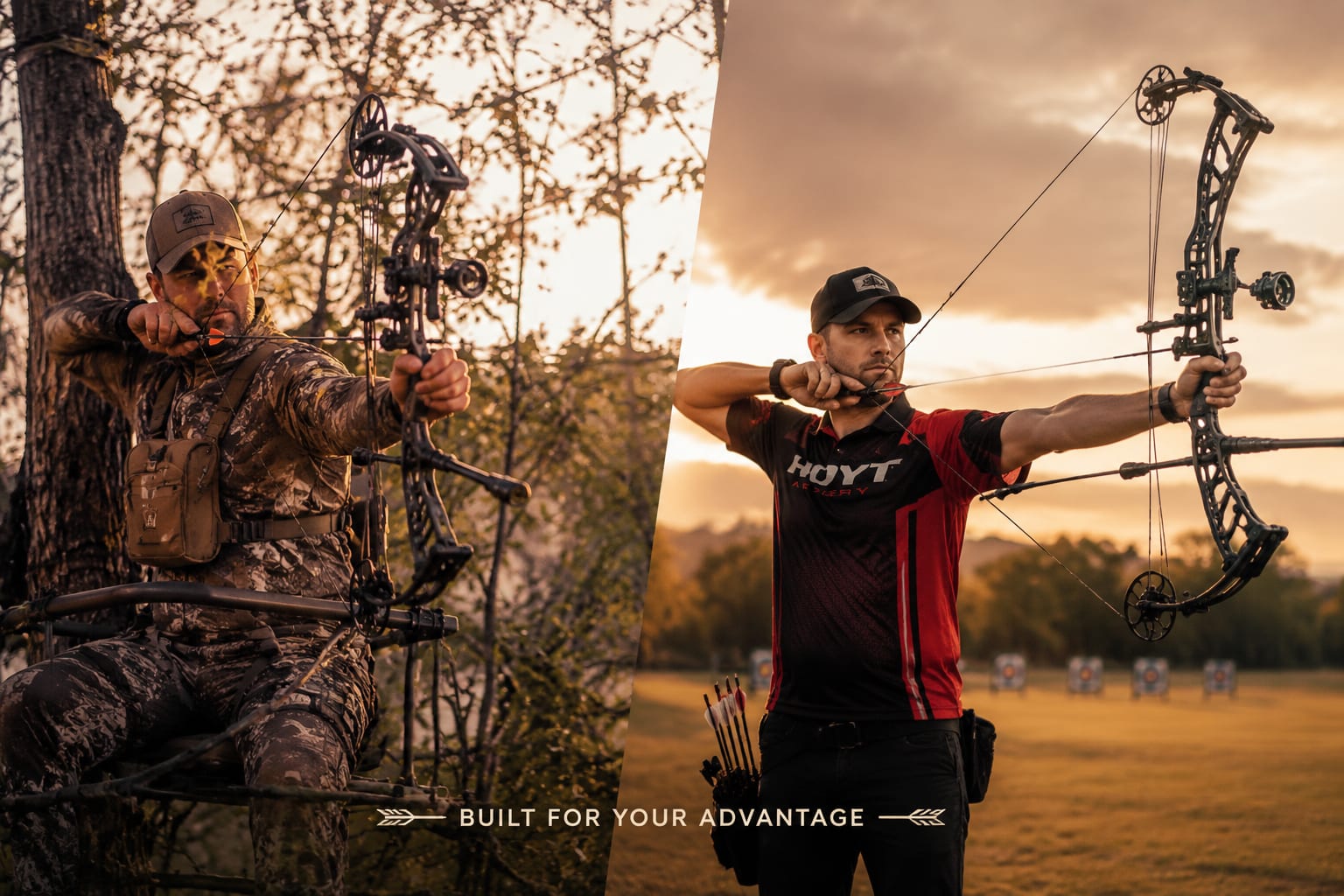
Axle-to-axle length refers to the straight-line distance between the center point of the top cam’s axle and the center point of the bottom cam’s axle when the bow is at rest (not drawn). This measurement is taken when the bow is in its natural, unstrung position and represents one of the most important specifications for any compound bow.
The measurement is always taken in a straight line, regardless of the bow’s riser shape or design. Modern compound bows typically fall into these categories:
The axle-to-axle measurement appears on every bow’s specification sheet and serves as a quick reference for understanding how the bow will handle in different situations. Unlike draw weight or draw length, which can be adjusted on most modern bows, the axle-to-axle length is fixed and cannot be changed without replacing the entire bow.
To measure axle-to-axle length accurately, you need a tape measure and the bow in its undrawn, resting position. Place one end of the tape measure at the exact center of the top cam’s axle bolt, then extend it in a straight line to the exact center of the bottom cam’s axle bolt.
Step-by-step measurement process:
Common measurement mistakes to avoid:
Most manufacturers list axle-to-axle length in their specifications, so you rarely need to measure yourself. However, knowing how to verify this measurement helps when buying used bows or checking manufacturer claims.

Neither short nor long axle-to-axle length is universally better, the right choice depends entirely on your intended use, shooting environment, and personal preferences. Short bows excel in maneuverability and portability, while long bows provide superior stability and forgiveness.
Short axle-to-axle bows (28-32 inches) are better when:
Long axle-to-axle bows (33-38 inches) are better when:
The trade-off centers on stability versus maneuverability. Longer bows have a larger “moment of inertia,” meaning they resist twisting and torquing during the shot, which translates to more forgiving accuracy. Shorter bows pivot more easily, making them faster to position but requiring more precise form to shoot accurately.
Choose a short bow if you hunt primarily from confined spaces and need to navigate obstacles. Choose a long bow if you shoot targets, compete, or hunt from open positions where accuracy matters more than quick maneuvering.
For hunting, most archers find that bows between 30 and 33 inches axle-to-axle offer the best balance of maneuverability and stability. This range provides enough compactness for tree stands and ground blinds while maintaining sufficient stability for accurate shots at typical hunting distances (20-40 yards).
Hunting situation recommendations:
The specific terrain and hunting style matter more than general categories. A whitetail hunter in thick Eastern hardwoods faces different challenges than an elk hunter in open Western meadows. Consider where you’ll actually take most of your shots, not just where you’ll carry the bow.
Common mistake: Choosing an ultra-compact bow (28-30 inches) when you primarily hunt from open stands or shooting houses. These environments don’t require extreme compactness, and you sacrifice stability that would improve your accuracy at 30+ yard shots. Unless you regularly navigate tight spaces, a 31-33 inch bow serves most hunters better.
Axle-to-axle length affects accuracy indirectly through stability and forgiveness, not through any inherent mechanical advantage in arrow flight. Longer bows are more stable at full draw and more forgiving of minor form errors, which helps most archers shoot more consistent groups.
The physics behind this relationship involves rotational stability. A longer axle-to-axle bow has greater resistance to torque (twisting) because the mass is distributed farther from the center point. When you grip the bow imperfectly or your release isn’t perfectly clean, a longer bow absorbs these errors better than a shorter bow.
How axle-to-axle length influences accuracy:
The practical reality: An experienced archer with excellent form can shoot a 30-inch bow just as accurately as a 36-inch bow. However, most archers, especially beginners and intermediates, will shoot tighter groups with a longer bow because it masks their form inconsistencies.
Target archers consistently choose longer bows not because short bows can’t be accurate, but because the added stability provides a measurable advantage in competition where every point matters. Hunters accept the accuracy trade-off of shorter bows because maneuverability in the field provides a different kind of advantage.
Target archers prefer longer axle-to-axle bows (typically 35-38 inches) because they provide maximum stability, reduce pin float, and offer greater forgiveness during long shooting sessions where consistency is paramount. In target archery, there are no obstacles to navigate, so the maneuverability disadvantages of long bows don’t apply.
Specific advantages for target shooting:
In competitive target archery, scores often come down to fractions of an inch. A bow that helps you shoot 10s instead of 9s consistently provides a measurable competitive advantage. The extra stability of a 36-inch bow might only improve your groups by a quarter-inch at 40 yards, but that quarter-inch can mean the difference between winning and placing in competition.
Why hunters don’t use these long bows: The stability advantages that matter in target archery become liabilities in hunting situations. A 37-inch bow that helps you shoot perfect groups on a range becomes a cumbersome obstacle when you’re trying to draw on a deer from a tree stand with branches overhead.
Beginners should start with a mid-length bow between 31 and 33 inches axle-to-axle, which provides a forgiving platform for learning proper form while remaining versatile enough for both target practice and eventual hunting use. This range offers the best balance of stability and practicality for someone still developing their shooting technique.
Why mid-length bows work best for beginners:
Avoid these beginner mistakes:
Decision rule: If you’re primarily interested in target shooting and may never hunt, lean toward 33-34 inches. If you know you’ll hunt from tree stands or ground blinds, choose 31-32 inches. If you’re genuinely unsure, a 32-inch bow sits right in the middle and won’t limit you in either direction.
The good news is that modern bows in the 31-33 inch range perform well enough for both applications that you won’t outgrow the bow as you develop skills. You might eventually want a specialized bow for competition or a dedicated hunting bow, but a mid-length bow will serve you well for years.
A 30-inch axle-to-axle bow is not too short based on your physical size alone, archers of all heights can shoot 30-inch bows effectively. However, a 30-inch bow may be too short if you’re primarily target shooting, learning archery, or hunting from open positions where maneuverability isn’t critical.
When a 30-inch bow works well:
When a 30-inch bow is too short:
The height question: Taller archers (6’2″ and above) often find longer bows more comfortable because the geometry feels more natural at full draw, but this is about comfort, not capability. A 6’4″ archer can shoot a 30-inch bow accurately if they choose to. The question is whether the compact size provides advantages that outweigh the stability you’d gain from a longer bow.
Test before committing: If possible, shoot both a 30-inch and a 32-33 inch bow back-to-back. Pay attention to how steady you can hold each bow at full draw and how your groups compare. The right choice becomes obvious when you actually shoot both options.
Axle-to-axle length and brace height are completely different measurements that affect bow performance in distinct ways. Axle-to-axle length measures the distance between the cam axles and primarily affects stability and maneuverability, while brace height measures the distance from the grip to the string at rest and primarily affects forgiveness and arrow speed.
Key differences:
| Measurement | What It Measures | Typical Range | Primary Effect |
|---|---|---|---|
| Axle-to-Axle Length | Distance between cam axles | 28-38 inches | Stability and maneuverability |
| Brace Height | Distance from grip to string at rest | 5.5-7.5 inches | Forgiveness and speed |
How they work together:
Common confusion: Many archers mistakenly think these measurements are related or that one determines the other. In reality, bow manufacturers can combine any axle-to-axle length with any brace height, though certain combinations are more common for specific applications.
When evaluating a bow, consider both measurements together. A 30-inch axle-to-axle bow with a 7-inch brace height will be more forgiving than a 32-inch bow with a 6-inch brace height, even though the longer bow is typically considered more stable.
The most common mistake when choosing axle-to-axle length is prioritizing compactness for hunting without considering where you actually hunt and shoot. Many hunters buy ultra-compact bows (28-30 inches) assuming they need maximum maneuverability, then realize they primarily shoot from open stands where a 32-33 inch bow would have provided better accuracy with minimal maneuverability compromise.
Other frequent mistakes:
Choosing based on height alone: Assuming you need a longer bow because you’re tall, or a shorter bow because you’re short. Physical size has minimal impact on optimal axle-to-axle length, your shooting environment and skill level matter far more.
Ignoring skill level: Beginners buying short bows because they look tactical or professional, then struggling to develop consistent form because the bow amplifies every error.
Copying someone else’s setup: Buying the same axle-to-axle length as a friend or pro shooter without considering whether you face the same shooting situations and have the same skill level.
Overvaluing speed: Choosing a short bow because shorter bows are sometimes faster, without recognizing that modern bows of all lengths can achieve similar speeds and that accuracy matters more than an extra 5 fps.
Underestimating target practice: Buying a 29-inch hunting bow, then finding it frustrating to practice with at the range because it’s less stable than the longer bows other target shooters are using.
Not testing before buying: Selecting based on specifications alone without actually shooting bows of different lengths to see which feels most natural and produces the best groups.
The fix: Honestly assess where you’ll take 80% of your shots. If you’re primarily shooting from open positions, whether hunting or target shooting, prioritize stability over compactness. Reserve ultra-compact bows for situations where you genuinely need to navigate tight spaces regularly.
Tall people can absolutely shoot short axle-to-axle bows effectively, height does not determine optimal axle-to-axle length. Many professional hunters over 6 feet tall successfully use bows in the 30-31 inch range for tree stand hunting, and their accuracy doesn’t suffer because of their height.
Why height matters less than you think:
When height does influence choice:
Taller archers with longer draw lengths (30+ inches) sometimes find that longer axle-to-axle bows feel more balanced at full draw because the geometry creates a more open angle between the string and the arrow. This is about comfort and sight picture, not capability.
Real-world example: A 6’3″ bowhunter with a 30.5-inch draw length might shoot a 31-inch axle-to-axle bow for tree stand hunting and a 34-inch bow for target practice. The shorter bow works perfectly well for hunting despite his height, but he prefers the longer bow’s stability when accuracy is the only consideration.
Bottom line: Choose your axle-to-axle length based on your shooting environment and skill level, not your height. If you’re tall and concerned about fit, focus on finding a bow with the correct draw length adjustment range, that matters far more than axle-to-axle length.
Axle-to-axle length has minimal direct effect on bow speed, modern bows of all lengths can achieve similar speeds when designed with comparable cam systems and limb configurations. The slight speed differences between short and long bows come from design trade-offs, not from the axle-to-axle measurement itself.
Why the speed myth persists:
Shorter bows often have shorter limbs, which can store and release energy more efficiently in some designs. This led to an older perception that “short equals fast.” However, modern cam technology and limb design have largely eliminated this relationship. A well-designed 34-inch bow can shoot just as fast as a 30-inch bow with the same draw weight and draw length.
What actually affects bow speed:
Practical speed ranges: Modern compound bows typically shoot between 300 and 350 fps (IBO speed), and you’ll find bows across the entire axle-to-axle spectrum in this range. A 30-inch bow might shoot 330 fps, while a 34-inch bow from the same manufacturer might shoot 328 fps, a difference too small to matter in real-world hunting or target shooting.
When to consider speed: If you’re comparing two specific bow models and one is significantly faster, look at the cam design and brace height before assuming the axle-to-axle length is the cause. A short brace height (6 inches or less) increases speed more than a short axle-to-axle length ever will.
A compact axle-to-axle length is generally considered to be 32 inches or shorter, with ultra-compact bows measuring 30 inches or less. These measurements represent bows designed specifically for maneuverability in confined spaces, particularly for hunting applications where navigating obstacles is a primary concern.
Compact bow categories:
When compact matters:
Compact bows provide genuine advantages when you’re hunting from ladder stands with overhead branches, pop-up ground blinds with limited interior space, or stalking through thick brush where a longer bow would catch on vegetation. If you regularly face these situations, a compact bow (30-32 inches) makes practical sense.
When compact doesn’t matter:
If you hunt from spacious box blinds, open shooting houses, or elevated stands with clear shooting lanes, the maneuverability advantages of a compact bow don’t apply. In these situations, you’re giving up stability and forgiveness for a benefit you won’t use.
The 32-inch sweet spot: Many archers find that 32 inches represents the ideal compromise, compact enough for most hunting situations but long enough to maintain reasonable stability. This length works in tree stands, fits in most ground blinds, and still provides enough forgiveness for consistent accuracy.
Marketing consideration: Bow manufacturers sometimes market 33-inch bows as “compact” when they’re actually mid-length. Always check the actual measurement rather than relying on marketing terms. A true compact hunting bow should be 32 inches or shorter.
What is the most common axle-to-axle length for hunting bows?
The most common axle-to-axle length for hunting bows is 31-32 inches, which provides a practical balance of maneuverability for tree stands and ground blinds while maintaining enough stability for accurate shots at typical hunting distances.
Can I hunt with a 36-inch axle-to-axle bow?
Yes, you can hunt with a 36-inch axle-to-axle bow, especially in open terrain or from spacious stands. However, you’ll find it cumbersome in tight quarters like tree stands with overhead branches or small ground blinds where maneuverability matters.
Does axle-to-axle length affect draw length?
No, axle-to-axle length does not affect draw length. Draw length is determined by your arm span and anchor point, and it remains the same regardless of the bow’s axle-to-axle measurement. Both measurements are independent specifications.
What axle-to-axle length do Olympic archers use?
Olympic archers use recurve bows, not compound bows, so axle-to-axle length doesn’t apply. However, compound target archers who compete in non-Olympic events typically use bows between 35 and 38 inches axle-to-axle for maximum stability.
Is a 28-inch axle-to-axle bow too short for target shooting?
A 28-inch axle-to-axle bow is not ideal for target shooting because it sacrifices stability and forgiveness that benefit accuracy at known distances. While you can shoot targets with any bow, a 33-36 inch bow will produce more consistent groups for most archers.
How much does axle-to-axle length affect bow weight?
Axle-to-axle length has a moderate effect on bow weight. Longer bows typically weigh 0.5 to 1.0 pounds more than shorter bows from the same manufacturer due to longer risers and limbs, though the difference is less significant than many archers expect.
Can you change a bow’s axle-to-axle length?
No, you cannot change a bow’s axle-to-axle length without replacing the entire bow. This measurement is determined by the riser and limb design and is fixed at manufacture. Draw weight and draw length can be adjusted, but axle-to-axle length cannot.
What axle-to-axle length is best for 3D archery?
For 3D archery, most competitors prefer bows between 33 and 35 inches axle-to-axle, which provide good stability for accurate shooting at unmarked distances while remaining maneuverable enough to navigate wooded 3D courses.
Do shorter bows have more hand shock?
Shorter bows can have slightly more hand shock than longer bows because there’s less mass to absorb vibration, but modern dampening systems and stabilizers minimize this difference. Brace height and cam design affect hand shock more than axle-to-axle length.
What’s the shortest compound bow available?
The shortest compound bows currently available measure around 28 inches axle-to-axle, designed specifically for ultra-compact hunting situations. These specialized bows sacrifice significant stability and forgiveness for maximum maneuverability.
Is 34 inches axle-to-axle good for hunting?
A 34-inch axle-to-axle bow can work for hunting in open terrain or from spacious stands, but it’s longer than necessary for most hunting situations. Unless you primarily hunt from the ground in open country, a 31-33 inch bow provides better versatility.
How does axle-to-axle length compare to overall bow length?
Axle-to-axle length measures only the distance between cam axles, while overall bow length includes the full height of the cams. Overall length is typically 3-5 inches longer than axle-to-axle length, depending on cam size and design.
Understanding what axle-to-axle length is and why it matters gives you the knowledge to choose a bow that matches your actual shooting needs rather than following generic advice or marketing hype. The right axle-to-axle length depends on where you’ll shoot, your skill level, and whether maneuverability or stability matters more for your specific situation.
For most hunters, a bow between 31 and 33 inches provides the best all-around performance, compact enough for tree stands and ground blinds while stable enough for accurate shots at realistic hunting distances. Target shooters and competitors benefit from longer bows (34-36 inches) that maximize stability and forgiveness when maneuverability isn’t a concern. Beginners should start in the middle range (31-33 inches) to develop solid form with a forgiving platform.
Your next steps:
The perfect axle-to-axle length is the one that helps you shoot accurately in the environments where you actually hunt or compete. Focus on that practical reality, and you’ll choose a bow you’ll be happy with for years.


